


A Cave With a Long Memory
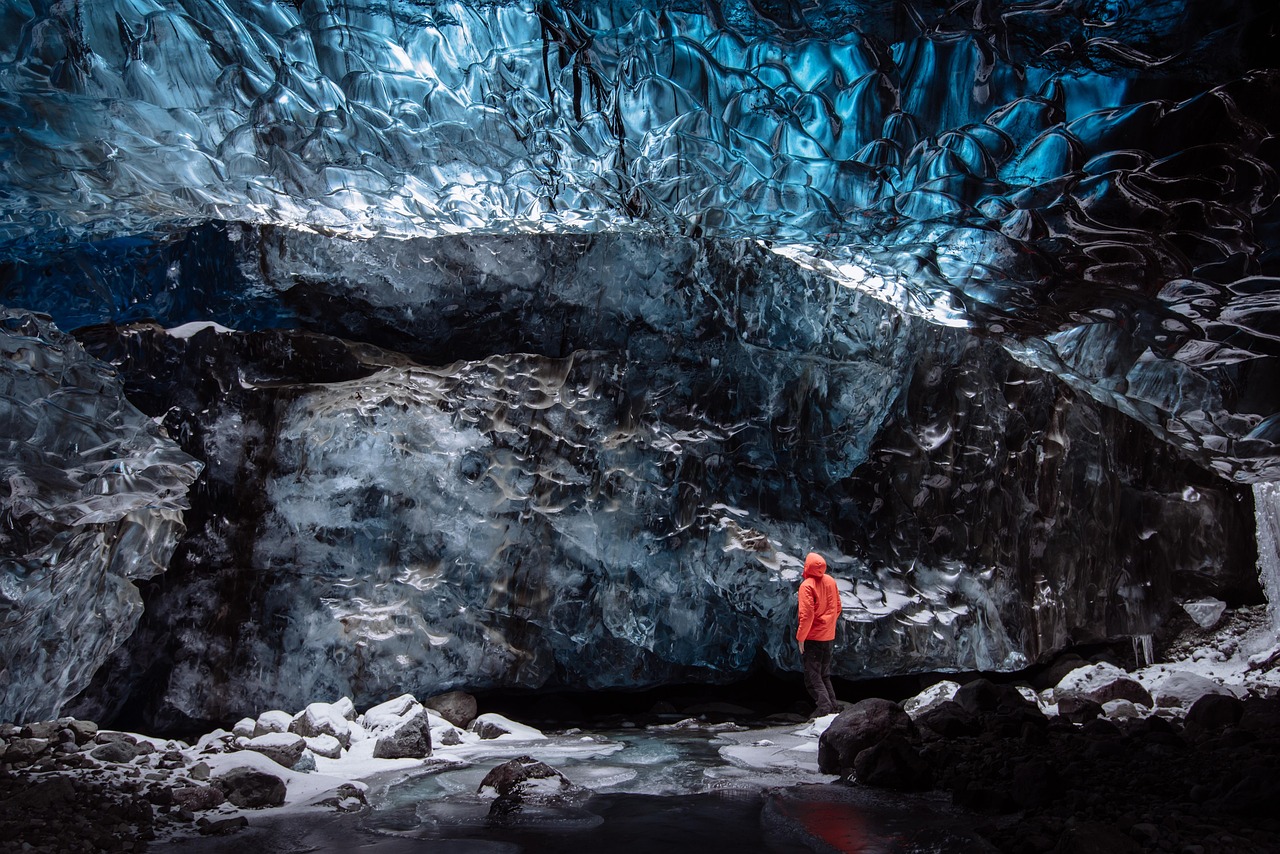
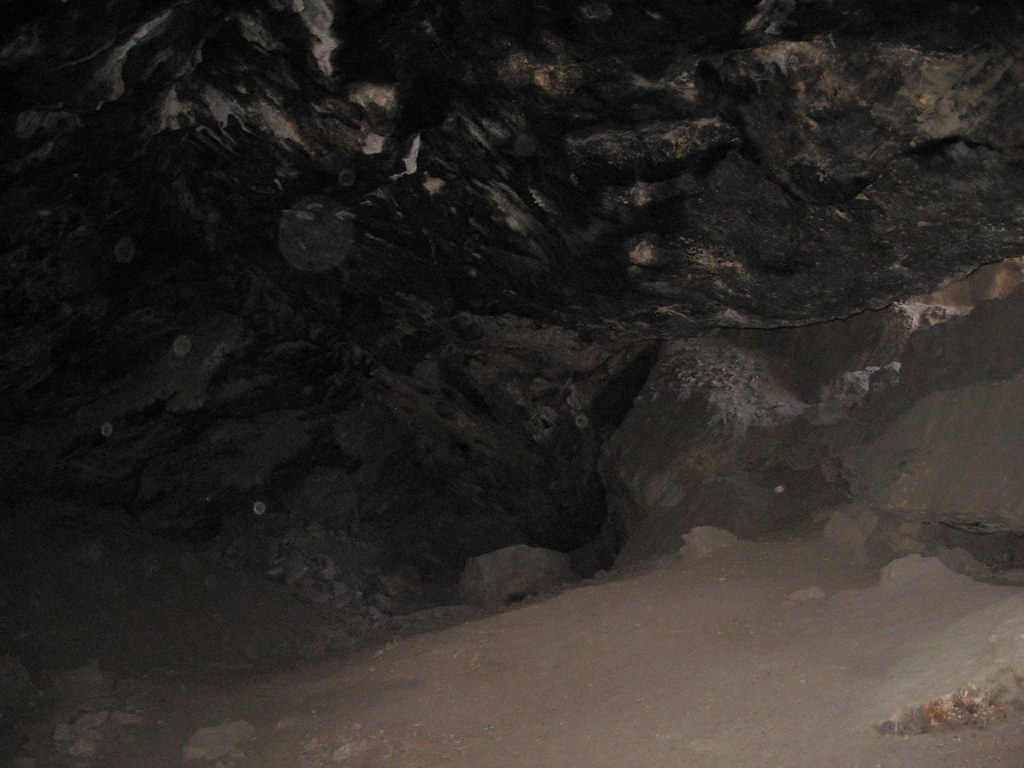
Lovelock Cave is an archaeological site located near Lovelock in rural Churchill County, Nevada. The cave itself measures roughly 150 feet long and 35 feet wide. It is considered one of the most important classic sites of the Great Basin region because its conditions are conducive to the preservation of both organic and inorganic material.
Humans used the cave starting around 2500 BC, though it was not intensively used until 1000 BC. A pair of sandals from the cave have been radiocarbon dated to 10,000 years ago, making them the oldest footwear ever found in Nevada and among the oldest in the world. The cave’s last use is believed to be in the mid-1800s, as indicated by a gun cache and a human coprolite.
The Legend of the Si-Te-Cah
According to reports of Northern Paiute oral history, the Si-Te-Cah were a legendary tribe with whom the Northern Paiutes fought a war and eventually wiped out or drove away from the area, with the final battle having taken place at what is now known as Lovelock Cave near Lovelock, Nevada. They were said to have red hair, and are sometimes described as having been cannibals. In some later versions of the legend they were giants.
In the Northern Paiute language, “Si-Te-Cah” literally means “tule-eaters.” Legend has it that the giants came from a distant island by crossing the ocean on rafts built using the fibrous tule plant. Sarah Winnemucca, daughter of Paiute Chief Winnemucca, wrote in 1883 about a “small tribe of barbarians” who ate her people, in her book Life Among the Piutes: Their Wrongs and Claims.
The Guano Miners Who Changed History
In 1911, a large amount of artifacts and mummified human remains were discovered under three to six feet of guano by miners in Lovelock Cave. Although the cave had been mined since 1911, miners did not notify authorities until 1912. The miners destroyed many of the artifacts, but archaeologists were still able to retrieve roughly 10,000 Northern Paiute artifacts from the cave.
The miners removed a layer of guano estimated to weigh about 250 tons. It was screened on the hillside outside the cave and shipped to a fertilizer company in San Francisco. A written report by James H. Hart, the first of two miners to excavate the cave in the fall of 1911, recalls that in the north-central part of the cave, about four feet deep, “was a striking looking body of a man 6 feet 6 inches tall. His body was mummified and his hair distinctly red.”
The First Excavations and What Was Found
The first archaeological dig of Lovelock was in 1912, led by L.L. Loud of the University of California. A second dig took place in 1924, and after finishing the excavations, Loud collaborated on a report that was published in 1929. Approximately 10,000 archaeological specimens were uncovered, including tools, bones, baskets, and weapons. According to the report, 60 average-height mummies were unearthed. Duck decoys among the oldest known in the world, with feathers still attached, and a sandal over 15 inches long were also excavated.
A donut-shaped stone with 365 notches carved along the outside and 52 corresponding notches inside was also found, which some scientists believe is a calendar. Loud did not maintain a comprehensive report of the excavation, so detailed information is not fully available. The method and procedure of archaeological excavations has improved over the years, and Loud’s excavation does not fit into the standards of today’s practices.
The Red Hair Question: Biology or Chemistry?

Chemical staining by earth after burial was advanced as a likely reason why mummified remains have red hair instead of black, as is typical of most Native Americans in the area. Researcher Adrienne Mayor points out that hair pigment is not stable after death, and that various factors such as temperature and soil conditions can turn ancient very dark hair rusty red or orange.
Adrienne Mayor, writing in her book Legends of the First Americans, suggested that the “giant” interpretation of the skeletons from Lovelock Cave and other caves in Nevada was started by entrepreneurs setting up tourist displays. A University of Nevada study in the mid-1970s indicated the “giants” were about six feet tall, and not up to ten feet tall as had been claimed. The redness of the hair, in other words, may have more to do with burial chemistry than with actual pigmentation.
The Spirit Cave Connection: DNA Breaks the Deadlock
The Spirit Cave remains, found in 1940 in a small rocky alcove in the Great Basin Desert, were not properly understood for fifty years. The preserved remains of a man in his forties were initially believed to be between 1,500 and 2,000 years old, but during the 1990s new textile and hair testing dated the skeleton at 10,600 years old.
A wide-ranging international study genetically analysed the DNA of a series of famous and controversial ancient remains across North and South America, including Spirit Cave, the Lovelock skeletons, the Lagoa Santa remains, an Inca mummy, and the oldest remains in Chilean Patagonia. Scientists sequenced 15 ancient genomes spanning from Alaska to Patagonia and were able to track the movements of the first humans as they spread across the Americas at “astonishing” speed during the Ice Age.
What the Lovelock Cave DNA Actually Revealed
In a study published in April 2025, researchers analyzed ancient DNA from five interments at Lovelock Cave, with permission granted by the Lovelock Paiute Tribe. The results established genetic continuity between these remains and ancient Paleoindian populations of the Great Basin, as well as modern Indigenous groups, showing typical human variation with no evidence supporting claims of anomalous “giant” individuals from Paiute oral traditions.
Researchers generating multiple Spirit Cave and Lovelock Cave genomes established a genetic continuity connecting the Spirit Cave individual to Lovelock descendants living 9,000 years later, a startling result given previous interpretations of Great Basin abandonments because of extreme climate change. This article of research documents a 10,000-year genetic continuity firmly linking Paleoindians at Spirit Cave to the Lovelock culture, and that strongly suggests continuities to modern Paiutes living there today with no population replacement.
The Curious Case of Lovelock-4

In 2018, researchers published an ancient DNA manuscript that included DNA from four roughly 1,800-year-old individuals unearthed in the Lovelock Cave of northern Nevada. One of those individuals, Lovelock-4, had a unique haplogroup Q signature that matched neither Q-M3 nor Q-Z780. In 2022, FamilyTreeDNA’s phylogenetic specialist Michael Sager discovered that a living individual’s DNA matched Lovelock-4, and neither matched any other Q individual for more than 15,000 years of evolution.
The lineage shared between this living individual and Lovelock-4 split apart from the rest of the Q lineages during the Pleistocene era, a time when the ice-free corridor was impassable and the only entryway to the unglaciated Americas, including Oregon and Nevada, was along the Pacific Coast. The Y-DNA from this lineage suggests a possible third haplogroup migration that researchers estimate happened between 15,000 and 2,000 years ago. This remains one of the more intriguing puzzles still open in Great Basin genetics.
A Ten-Thousand-Year Thread of Continuity
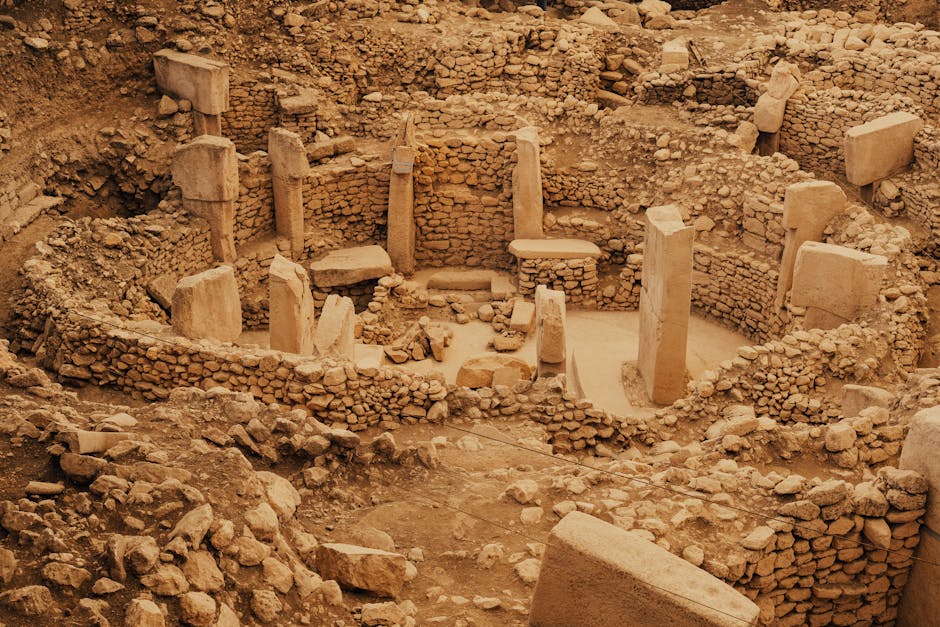
Genomics establishes an unmistakable continuity from Spirit Cave that continued through the Lovelock Holocene Demographic Period and carried through at least AD 1347. Willerslev and his colleagues compared the genome of the man from Spirit Cave to those of four sets of remains found nearby in Lovelock Cave, who lived as recently as 600 years ago. All of these people were closely related, despite being separated by 10,000 years of history.
Significantly, the results enabled the team to dismiss a long-standing hypothesis that a group of genetically distinct humans, called Paleoamericans, existed in North America before Native Americans. All told, the data decisively dispel suggestions, based on the distinctive skull shape of a few ancient remains, that early populations had a different ancestry from today’s Native Americans. The genetic thread, it turns out, runs long, unbroken, and deeply rooted right here.
Science, Myth, and What the Cave Still Holds
Archaeological remains from Lovelock Cave dated to roughly the period between 49 BCE and 313 CE reveal a marsh-adapted Great Basin lifeway. Three ancient genomes, including mtDNA D1 and Y DNA haplogroup Q in one individual, offer preliminary genetic insight into maternal continuity and Native American paternal lineages.
The mtDNA and Y-DNA signals do not define modern tribal identities. Instead, they offer scientific strands that, when combined with oral histories, archaeology, and linguistics, can enrich understanding of ancestral stories. Future sampling and careful engagement with descendant communities are necessary to refine these insights and to map genetic continuity, admixture, and demographic change through time.
The cave was never really about giants. It was, and remains, about people. Real people who lived by a vast inland marsh, who made ingenious tools, who buried their dead with care, and whose descendants still live in Nevada today. Science has now confirmed what those descendants always knew. The DNA of Lovelock Cave does not point to mystery origins or lost races. It points home.