
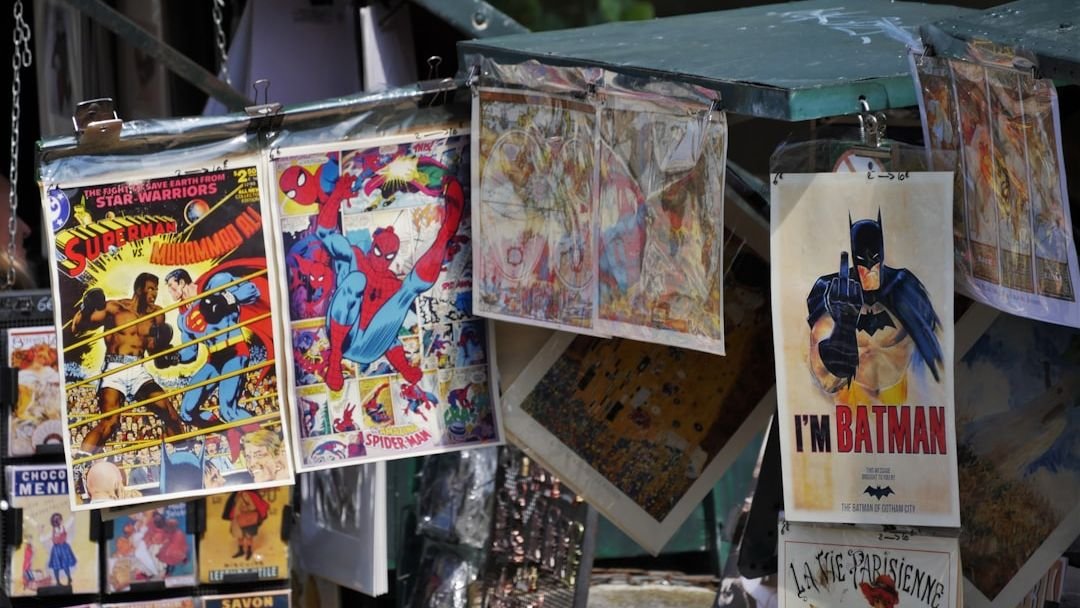

Credit in comics has never been quite as simple as the name on the cover. For much of the Golden and Silver Age of the medium, uncredited artists quietly did the heavy lifting while established names collected the checks and the glory. The gap between who signed a cover and who actually drew it was sometimes enormous, sometimes deliberate, and almost always kept quiet for decades.
This is a gallery of five iconic covers and the hidden hands behind them. Some of these stories are now well documented by historians and researchers. Others only came to light through interviews and archival work years after the fact. Together, they tell a larger story about how credit, authorship, and artistic labor worked in an era when the industry had no real rules about any of it.
1. Batman’s Early Detective Comics Covers: Jerry Robinson, Not Bob Kane
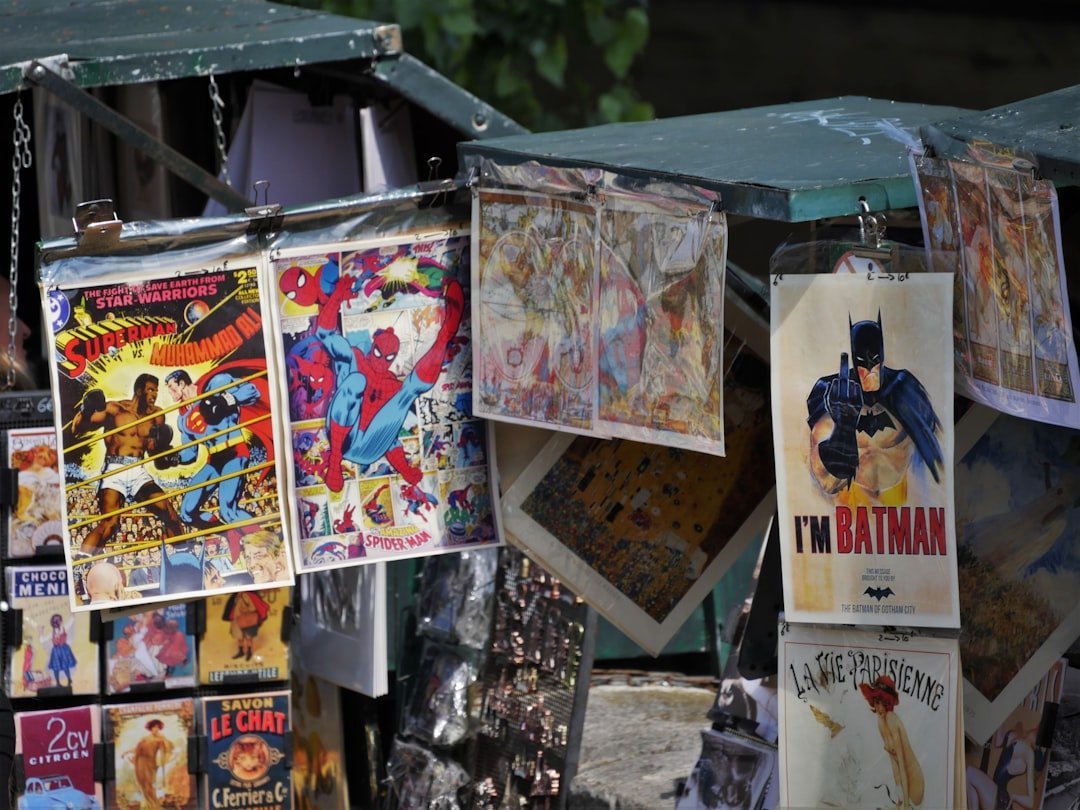
Bob Kane’s name appeared on Batman comics for decades, but the story of who actually drew those covers is far more complicated. It was extremely common for comic strips and books to employ ghost artists, uncredited writers and artists who would do work on the strip and not get credited. Kane himself operated precisely this way from very early in the character’s history.
Jerry Robinson was a journalism student at Columbia University when he began working for Bob Kane in 1939, shortly after Kane and Bill Finger had created Batman for National Comics. Within a year, Robinson had become Batman’s primary penciler and inker, with George Roussos inking backgrounds. None of this was reflected in the credits buyers saw on the cover.
Robinson either created or co-created the Joker, and someone working at DC noticed that the work being sent in from Kane increasingly looked as if it had been created by someone with considerably more ability than Kane. The quality spike was a quiet giveaway, though it went unacknowledged publicly for years.
2. Batman Comics 1943 to 1946: Dick Sprang and the DC Ghost Roster
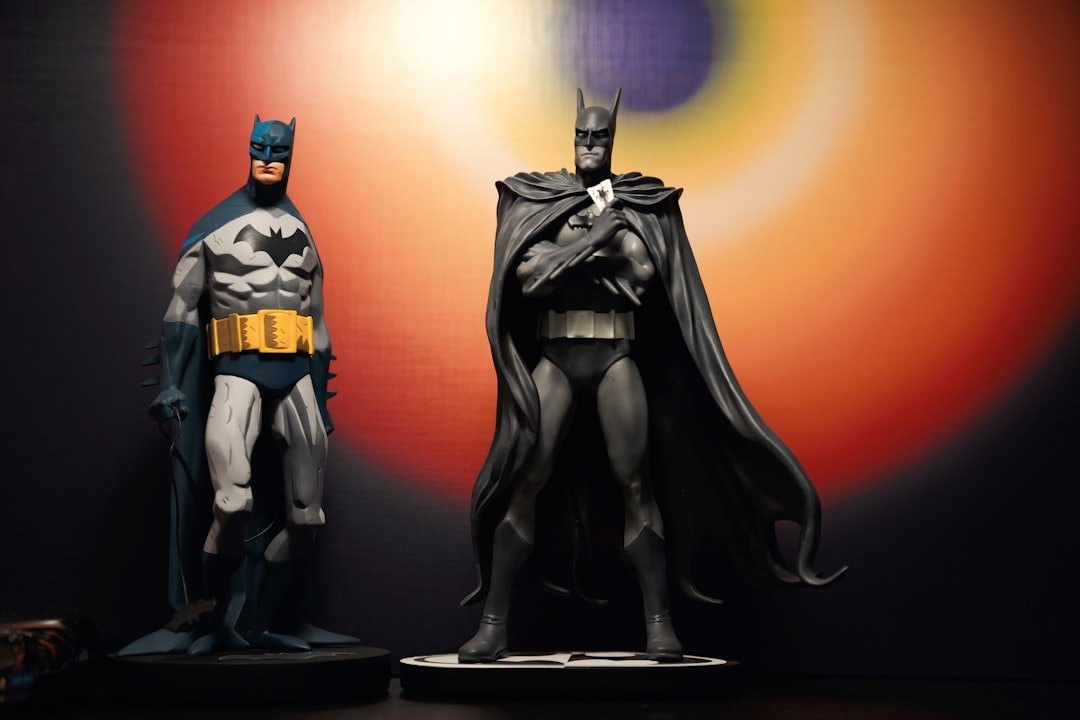
When DC wanted more Batman stories than Kane’s studio could deliver, the company assigned Dick Sprang and other in-house pencilers as ghost artists, drawing uncredited under Kane’s supervision. This was not a secret to the publisher, but it was completely invisible to readers at the time.
In 1943, Kane left the Batman comic books to focus on penciling the daily Batman newspaper comic strip. DC Comics artists ghosting the comic-book stories now included Jack Burnley and Win Mortimer, with Robinson moving up as penciler and Fred Ray contributing some covers. The covers readers saw during these years were almost entirely the work of artists whose names never appeared on them.
Additional ghost artists of the period included Jack Burnley and Win Mortimer. Several Batman-related covers were designed by Fred Ray, who was also the primary Superman cover artist of the 1940s. Fred Ray’s contribution to the visual identity of DC’s two biggest characters during this era is only now widely acknowledged among comics historians.
3. Batman 1953 to 1967: Sheldon Moldoff’s Secret Decade
After the Batman newspaper strip finished in 1946, Kane returned to the comic books but, unknown to DC, had hired his own personal ghosts, including Lew Schwartz and Sheldon Moldoff from 1953 to 1967. DC’s own editors were not informed. This arrangement continued for fourteen years.
Kane worked out a deal with Lew Schwartz where Kane would draw the Batman and Robin figures in each issue while Schwartz would draw the rest of the comic, and Schwartz would then ink the whole thing, but it would be presented to DC as being done by Kane. That the publisher did not know its most famous character’s covers were being drawn by uncredited freelancers is one of the more remarkable facts in mainstream comics history.
Moldoff gave an interview in 1994 while Kane was still alive, describing this clandestine arrangement, and it was later published in Alter Ego magazine in 2006. The most notable ghost artists were Lew Sayre Schwartz, the main artist of the Batman series between 1946 and 1953, and Sheldon Moldoff, the main artist of the series between 1953 and 1967.
4. Action Comics and the Shuster Studios Ghost Artists
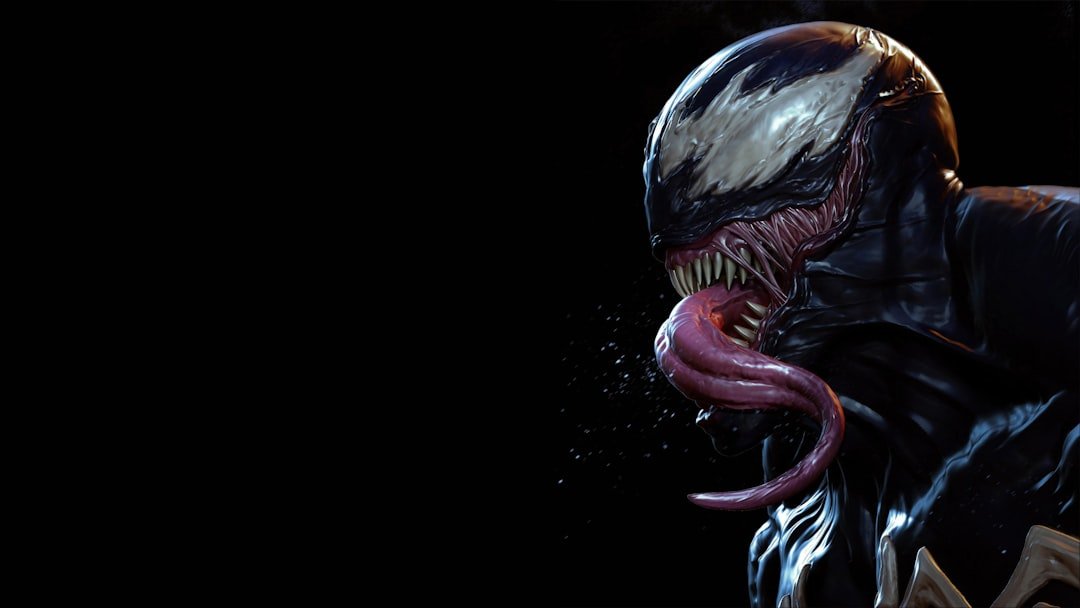
The original art pages from the early Action Comics or Superman issues have all been attributed to Shuster Studios, which comprised a number of ghost artists under Shuster. Heritage Auctions’ earliest sale of Action Comics cover art, from issue 15 in 1939, was in the hand of Shuster Studio ghost artist Fred Guardineer, not Shuster himself. Even the early Superman covers were not always drawn by the man whose name was attached to them.
This was noted in Alter Ego issue 112, which focused on one artist being Shuster Studios’ first ghost artist as early as Action Comics issue 6. Superman was barely months old as a published character before a ghost system was already in place to keep up with demand. The franchise’s visual identity was, from almost its very beginning, a collaborative product with no credits shared.
That attitude carried right over to the comic books, where Joe Shuster would be credited for years while he was not still drawing the Superman feature. For readers of the era, Shuster’s name was simply a guarantee of quality. The reality behind it was an entire studio of invisible workers.
5. The Dan Flagg Strip and Archie Goodwin’s Ghost Work
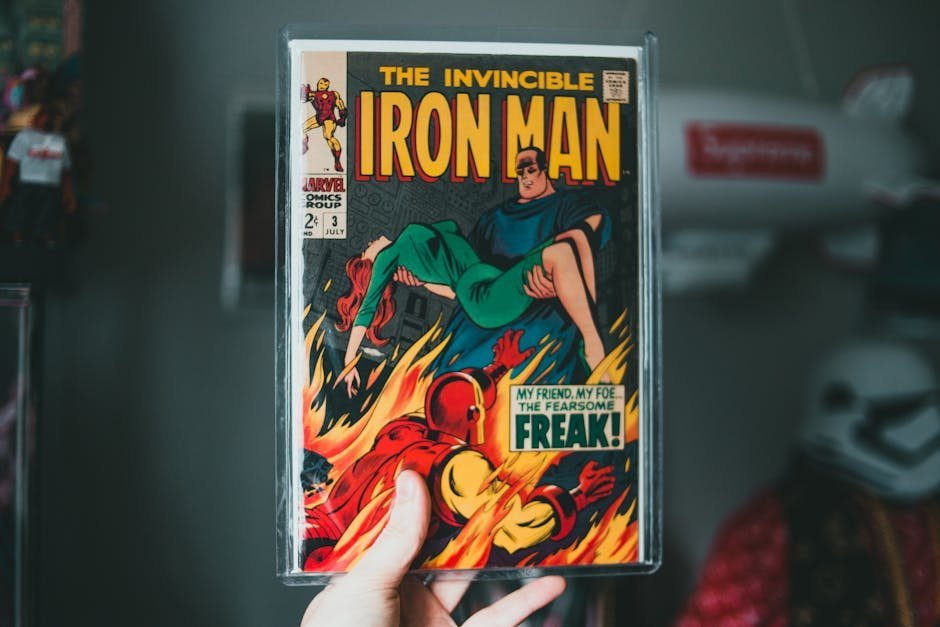
Don Sherwood employed a number of prominent comic creators of the era, from writer Archie Goodwin to artists Al Williamson, Angelo Torres, and Al McWilliams. What was apparently unusual about Sherwood’s usage of assistants is that, as far as the creators themselves believed, Sherwood wasn’t actually doing practically anything on the strip, with Goodwin writing it and the other artists alternating on penciling and inking.
A group of creators who worked uncredited for a cartoonist had a moment of revenge on the cartoonist in the first issue of Creepy. This act of artistic pushback, subtle but deliberate, has since become one of the more entertaining footnotes in the ghost artist story. The creators used the horror anthology as a vehicle to tell, in disguised form, exactly what had happened to them.
The Sherwood case is notable because it involves names that became genuinely significant in comics history. Al Williamson went on to be celebrated for his work at EC Comics and later on the Star Wars comics adaptation. Archie Goodwin became one of the most respected editors and writers in the industry. Both did uncredited work under someone else’s name at the start of their careers.
Why Ghost Artistry Was So Common in Comics History
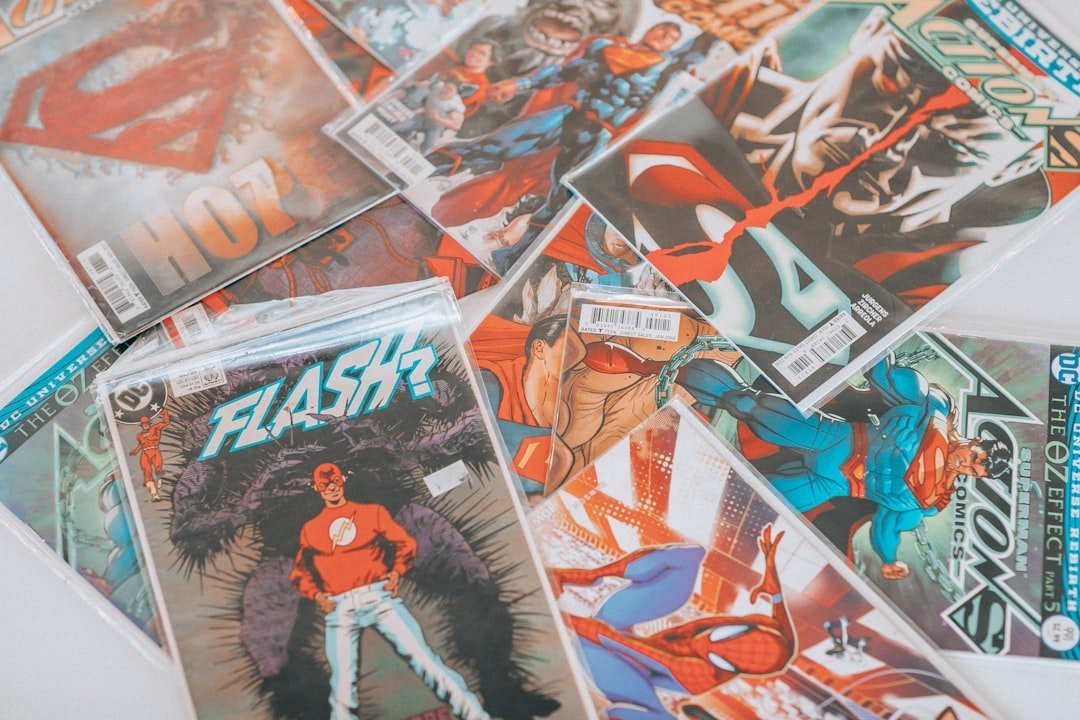
While some flinch at the idea of an artist using a ghost artist to draw their comic book, that practice was commonplace in the world of comic strips. The culture that produced the Golden Age of comics came directly out of the newspaper strip tradition, where studio systems and ghosting were simply standard industry practice.
Kane, like almost all of the original creators of the Golden Age, grew up reading comic strips, and comic strips were king when they were kids. This background shaped how they understood authorship, credit, and professional organization. If the strips did it, comics would do it too.
The publisher side of things also played a role. Demand for content grew faster than any single artist could keep pace with, and publishers rarely had strong incentive to push for transparency about who was doing the actual drawing. The name on the cover sold the book. The name on the check was a private matter.
The Contracts That Made Ghosts Possible

As was contractually stipulated, only Kane’s name appeared on the Batman strip. The contracts of the Golden Age frequently assigned all credit to a single named creator, regardless of how many people contributed to the actual work. This legal structure made the ghost system not just possible but virtually invisible to the outside world.
All work to come out of Kane’s studio was credited to Bob Kane. That clause, embedded in his original deal with DC, created the conditions under which an entire generation of artists could spend years drawing some of the most recognizable covers in American pop culture without a single public acknowledgment.
Contracts like these were common across the industry, not just at DC. They reflected a business culture that viewed the creative product as a commodity owned by the publisher or the named creator, with individual artistic labor treated as interchangeable and invisible.
How Historians Began Unmasking the Ghost Artists
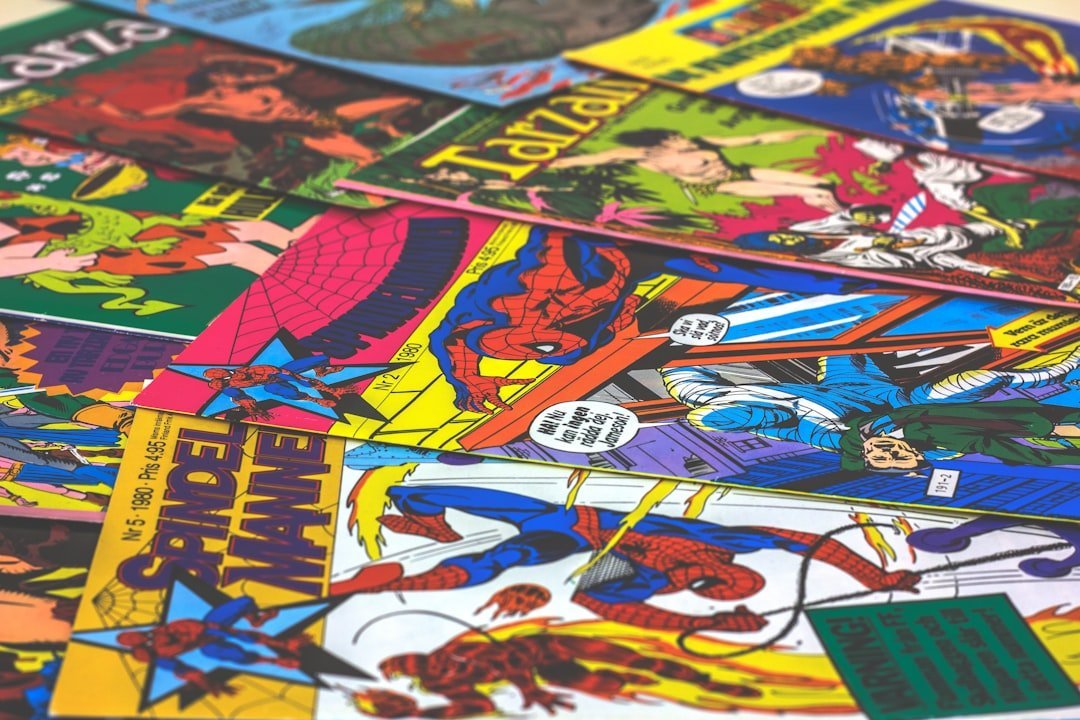
The credit restoration process has been gradual, built through interviews, fan scholarship, and dedicated comics historians over many decades. Resources like the Grand Comics Database, publications such as Alter Ego and The Comics Journal, and academic work have been central to identifying who actually drew what.
Some of those names, like Jerry Robinson and Dick Sprang, have become well known to comics fans. Others are remembered mostly by the more die-hard enthusiasts. Recognition came unevenly, shaped partly by which artists were still alive to advocate for themselves and which had already passed without receiving credit.
Jerry Robinson was inducted into the Comic Book Hall of Fame in 2004. That recognition came more than sixty years after his uncredited work helped define what Batman looked like. For many other ghost artists, formal acknowledgment never came at all.
What Ghost Artistry Did to the Artists Themselves

The financial and reputational consequences of ghost work were real and lasting. Artists who spent their most productive years drawing under someone else’s name could not build a public profile, could not leverage that work in later negotiations, and had no legal claim to the recognition that came with it.
In 1946, near the end of their ten-year contract, Siegel and Shuster sued DC to regain the rights to Superman. The New York State Supreme Court ruled the publisher had validly purchased the rights to Superman. The legal frameworks of the era consistently favored publishers over creators. Ghost artists had even fewer protections than the named creators who signed the contracts above them.
For Sheldon Moldoff, who drew Batman covers and interiors for fourteen years without a single credit, the recognition that eventually came through historical research was real but limited in practical terms. He did not benefit commercially from the work he did, and for most of the readership who loved those covers, his name remains unfamiliar even today.
The Legacy of the Ghost Artist System in Modern Comics
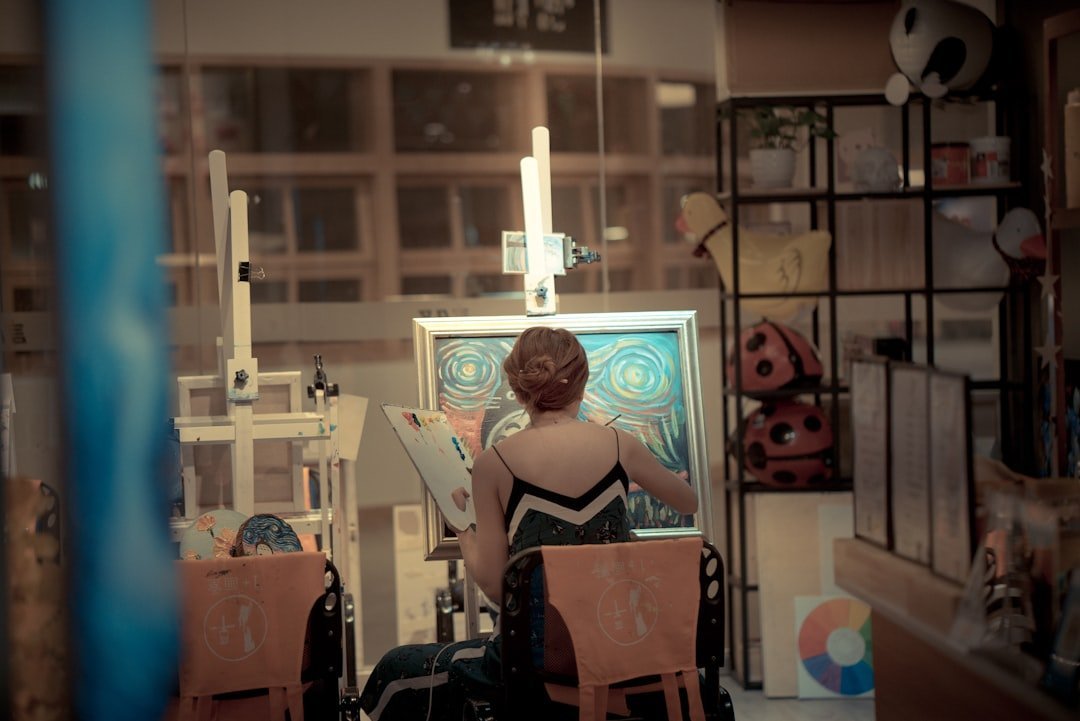
The industry looks very different now. Modern comics contracts typically require clear credits for pencilers, inkers, colorists, and letterers. The rise of creator-owned publishing, advocacy organizations, and more sophisticated public awareness of artistic labor have all contributed to a culture where ghost artistry in its old form is essentially gone from mainstream publishing.
Cover artists draft, compose, and finalize the completed artwork used for a comic book cover. Most handle the chores of penciling, inking, and coloring, though these functions may also be performed by colorists and cover inkers. Some cover artists also design the logo used for the title, but are rarely credited for this. Even today, some contributions remain invisible, though far fewer than in the past.
The ghost artist era is also now the subject of serious academic and historical attention. What was once a quiet industry secret has become part of the documented record of American comics history, studied for what it reveals about labor, credit, and the economics of a medium that shaped global popular culture. The names are being recovered, one archive and one interview at a time.
Conclusion: The Cover Was Never the Whole Story
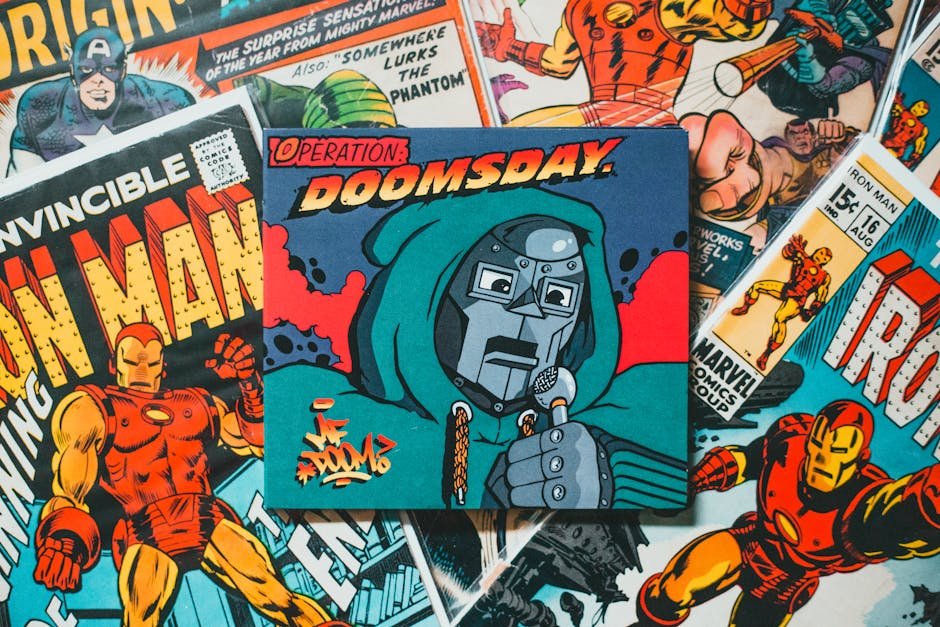
Looking at an old Batman cover from the 1950s or a Superman issue from the late 1930s, it’s easy to see them as singular artistic statements. The reality is messier, more human, and in its own way more interesting. These images came out of studios, arrangements, and workarounds that the industry preferred to keep invisible.
The ghost artists left their mark on some of the most beloved and collected covers in the history of the medium. Their brushstrokes defined characters that became cultural icons. The fact that their names were absent from the covers does not make their contribution any less real. It just took the rest of us a long time to look closely enough to find them.