

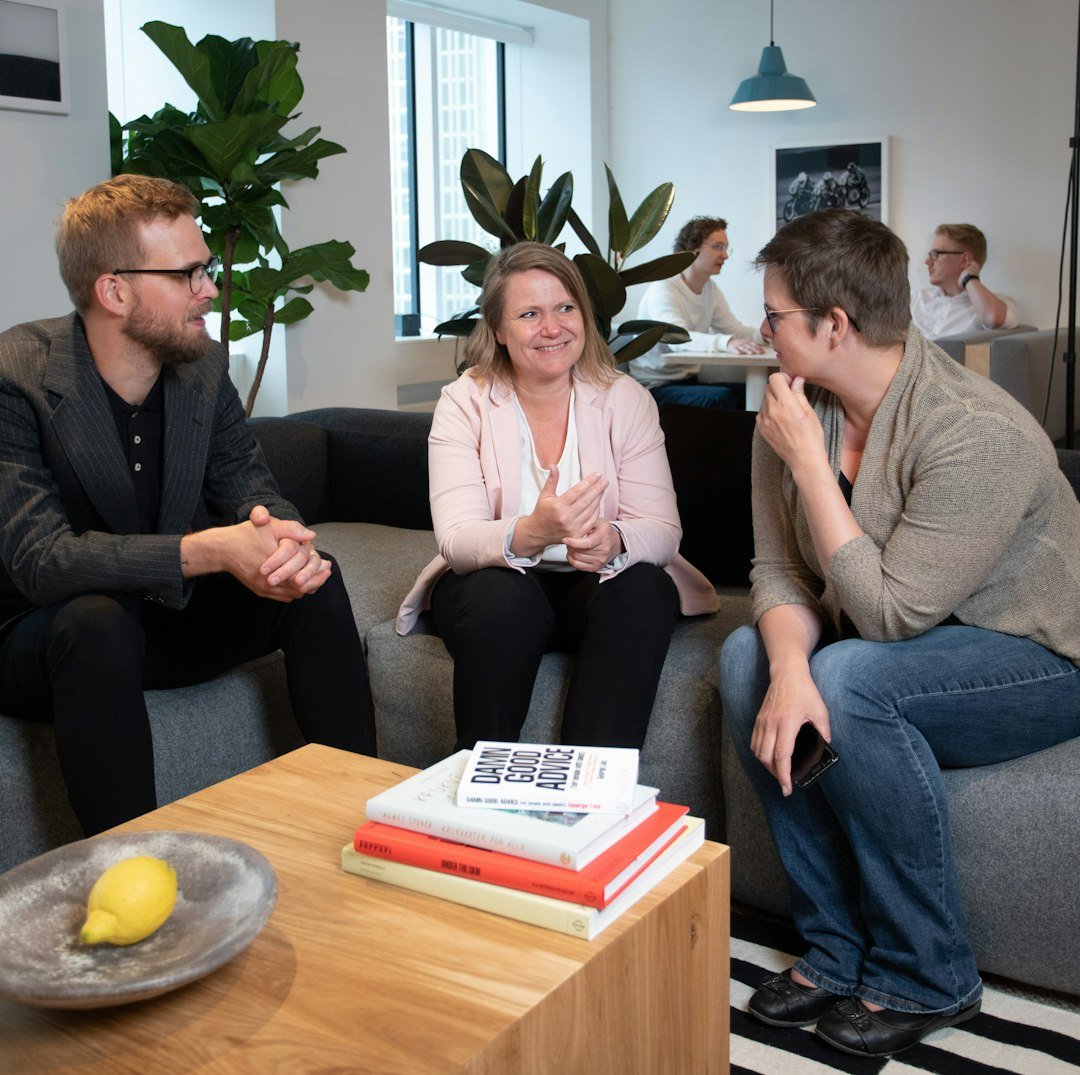
Volume Signals Leadership, Regardless of Substance (Image Credits: Unsplash)
Group conversations often unfold in predictable patterns during dinners, meetings, or casual gatherings. Vocal participants command attention and opportunities, while those who listen more than speak fade into the background. This dynamic imposes a subtle yet persistent social penalty on quieter individuals, shaping perceptions of their competence and potential.[1][2]
Volume Signals Leadership, Regardless of Substance
Organizational psychology identifies a clear bias toward those who speak frequently. Researchers observed that the sheer amount of talking time determines how groups view someone as a leader, surpassing factors like intelligence or relevant expertise. This effect persisted across controlled experiments, highlighting a fundamental misjudgment in social settings.[1]
Consider a typical scenario: in a room of equals, the most talkative person emerges with elevated status. Others assume command presence from airtime alone. Quiet observers, despite keen insights, receive labels like reserved or unready. Such patterns repeat in professional and social contexts, reinforcing initial impressions.
Cultural Preferences Undermine Thoughtful Contributors
Western society prioritizes an extroverted model of engagement, where outgoing behavior equates to capability. Thoughtful listeners face systemic undervaluation as a result. Interruptions increase for them, and their ideas often get echoed by louder voices without credit. This cycle demands restraint from those misjudged, testing their composure repeatedly.
Experts note that prevailing norms overlook the value of observation. Groups reward quick responses over measured analysis. Participants who pause to process end up sidelined, their potential dismissed prematurely. Over time, these experiences build resilience, though the immediate toll remains heavy.
Silence Builds Rare Emotional Discipline
Maintaining composure amid dismissal requires active emotional management. Affected individuals regulate impulses and reactions under pressure, a demanding process. Vocal counterparts rarely develop this capacity, as their style invites less scrutiny. The effort involved strengthens interpersonal skills essential for teams and relationships.
- Absorbing interruptions without retaliation preserves group harmony.
- Tracking unspoken dynamics informs better decisions later.
- Withholding unrefined thoughts avoids unnecessary conflicts.
- Enduring misperceptions fosters long-term credibility.
- Selective timing of input maximizes impact when delivered.
Introverted Styles Excel in Key Leadership Scenarios
Studies reveal counterintuitive advantages for quieter approaches. Teams with proactive members thrived under introverted guidance, achieving notably higher outcomes. Extroverted leaders, in contrast, sometimes stifled initiative by dominating discussions. Profits rose by 14 percent weekly in relevant retail settings managed this way.[1]
| Leadership Style | With Proactive Teams | Performance Impact |
|---|---|---|
| Introverted | Encourages ideas | +14% weekly profits |
| Extroverted | May overshadow | Decline in profits |
These findings underscore that listening facilitates superior results. Quiet leaders absorb input effectively, allowing innovation to flourish. Their style suits environments valuing substance over showmanship.
Key Takeaways
- Speaking volume shapes leadership perceptions more than content quality.
- Quiet endurance develops emotional skills undervalued in fast-paced groups.
- Introverted oversight boosts performance with engaged teams.
Quiet participants navigate a landscape rigged toward noise, yet their restraint yields enduring strengths. Cultural shifts could balance these dynamics, honoring depth alongside energy. What experiences have you had with this in your own groups? Share in the comments.