


Some people, when stress hits, go quiet. They internalize, retreat, or process slowly. Others explode before the moment has even fully registered. In astrology, this second pattern has a name, and it orbits around a single planet: Mars.
Mars has ruled aggression, action, and the fight response since ancient times. The red planet carries its association with Ares, the God of War, and over centuries came to symbolize the warrior’s willingness to attack and defend, giving the planet an increasingly belligerent connotation of war and competition. Three zodiac placements, Aries, Scorpio, and Capricorn, sit in a particularly charged relationship with Mars. They share a trait that psychology and neuroscience both recognize: under pressure, the first move is often aggression.
What the “Mars Reflex” Actually Is

The fight-or-flight response is a classic sympathetic neurobiological reaction that occurs rapidly in response to perceived threats, serving as an immediate survival mechanism in animals and humans. In certain people, this response defaults heavily toward “fight” rather than flight or freeze. The attribution of hostility, especially in ambiguous situations, seems to be one of the most important cognitive factors associated with the fight or flight response because of its implications towards aggression.
In astrological terms, the “Mars Reflex” is this same default: the near-instant pivot toward confrontation when life pushes too hard. Astrology studies Mars carefully because its placement often explains how a person handles stress and whether their strength becomes constructive or destructive.
The Neuroscience Behind Immediate Aggression
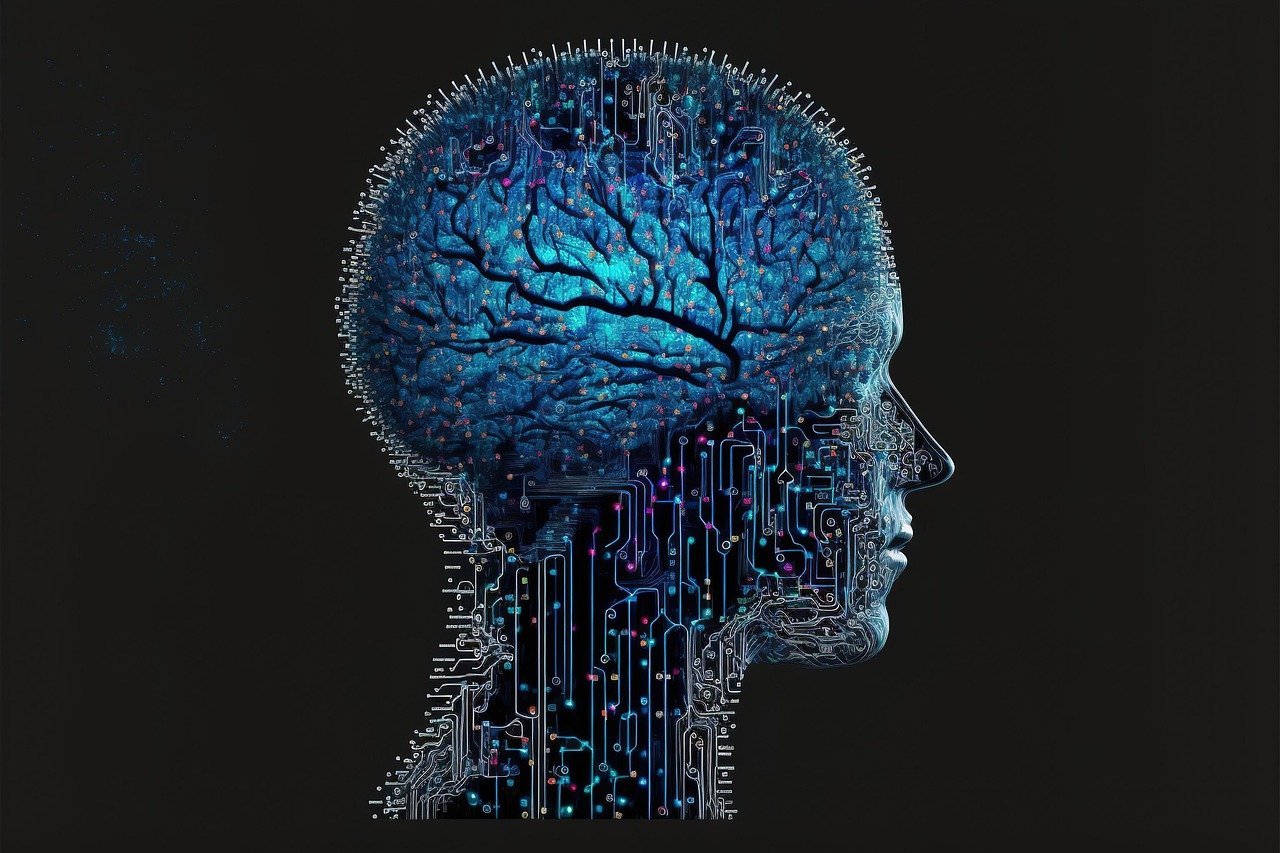
Amygdala hijack is an emotional overreaction response to stress. This activates the fight-or-flight response and disables one’s rational, reasoned response. It can happen to anyone and is usually triggered by something, causing the amygdala to “disable” the frontal lobes and take control. This neurological event is fast. It bypasses reasoning entirely.
The hijack causes people to narrow their ability to see more than one solution to a threat. Within a few seconds, when the hijack pathway is completed, people may start questioning themselves. With no contribution from the frontal lobes, the thought processes ceased in the moment, so there was no rational thinking. That gap between stimulus and regret is precisely where the Mars Reflex lives.
The Hormonal Engine: Testosterone, Cortisol, and Aggression

The biological underpinning of stress-driven aggression is surprisingly well-documented. The dual hormone hypothesis suggests that status-seeking behaviors such as aggression, competitiveness, and dominance are predicted by the interaction between testosterone and cortisol, which is the product of a hormonal cascade regulated by the hypothalamic-pituitary-adrenal axis in response to a stressful situation.
High testosterone levels are associated with aggressive manifestations, whereas high cortisol concentrations are linked to submissive behavior. The biological balance between testosterone and cortisol has a psychological equivalent. Motivational drives are mediated by punishment and reward, and sensitivity to punishment is reduced when testosterone levels increase, meaning less fear is manifested in aggressive behavior. This hormonal interplay is not destiny, but it does explain why some people’s first response to stress is a burst of fight energy rather than avoidance.
Aries: The Immediate Spark

As the first sign of the zodiac, Aries is ruled by Mars, the planet of aggression and assertiveness. An Aries in anger resembles a whirlwind, bursting forth with energy and intensity. They are known for their impulsive nature, which can lead them to react without thinking, potentially causing chaos around them.
When under stress, Aries often becomes agitated, impatient, and prone to emotional outbursts. They dislike waiting and uncertainty, and their natural response is to take immediate action. The upside to this pattern is notable, though. With Mars in Aries, a person never shies away from confrontation, takes the direct approach when expressing anger, and the temper flares fast but dissipates quickly. They need to get everything off their chest immediately and will boldly go to the source to handle a confrontation in person, but rarely hold a grudge.
Scorpio: The Controlled Detonation
Scorpio’s Mars Reflex operates differently from Aries. It doesn’t explode on contact. It waits. Mars in Scorpio reacts when threatened with looking weak or unimportant. Scorpio seeks security through power and control, including self-control, and will fight back if anyone dares to make light of its importance. Mars in Scorpio can be icy cold in its anger, hiding its deadly sting until the crucial moment.
Scorpio is intense and mysterious, and during stress, they often withdraw completely or become fiercely defensive. They hate feeling exposed, so they tend to hide pain or react with anger. Their emotions run deep, but they rarely show vulnerability. Instead, they seek control, of themselves or the situation. The aggression here is real, it’s just delayed and strategic, which in many ways makes it more intense when it finally arrives.
Capricorn: The Cold Surge

Capricorn is perhaps the most surprising entry on this list. Mars is exalted in Capricorn, where its energy is disciplined and focused. That exaltation sounds calm. In practice, it produces a very particular brand of aggression under stress: cold, targeted, and structured.
Mars in Capricorn reacts when goals are blocked. Controlled and mature, Capricorn tends to remain objective in the face of frustration. If anger gets in the way of its ambition, it will be “managed” just like any other obstacle in its path. Mars in Capricorn tends to convert anger into decisive, productive action so that progress will be made regardless. Still, when Capricorn’s structural patience breaks, Capricorn is the achiever, and when under pressure, they double down on responsibilities and hide their emotions, which means the internal pressure accumulates until a controlled but unmistakable confrontation emerges.
Why These Three Share the Same Pattern

Mars rules Aries in the first house and traditionally rules Scorpio in the eighth house. How to interpret Mars aspects in astrology involves understanding the nature of angular relationships. Capricorn, as the sign of Mars’s exaltation, represents a third expression of this same martial energy. All three signs relate to Mars’s core drives: assertion, dominance, and the instinct to respond to perceived threats by going forward rather than retreating.
Under stress, Mars makes the individual somehow more reckless, impatient, harsh, and impulsive, taking excessive and sometimes unnecessary risks. Whether that manifests as the raw explosiveness of Aries, the coiled intensity of Scorpio, or the controlled pressure of Capricorn, the root is the same: Mars energy activated under threat.
The Problem with the Reflex
The Mars Reflex is genuinely protective in the short term. This combination of reactions to stress evolved as a survival mechanism, enabling people and other mammals to react quickly to life-threatening situations. The carefully orchestrated yet near-instantaneous sequence of hormonal changes and physiological responses helps someone to fight the threat off or flee to safety.
The issue is when this ancient survival circuit fires in modern social situations. Unfortunately, the body can also overreact to stressors that are not life-threatening, such as traffic jams, work pressure, and family difficulties. A heated email, a missed deadline, a perceived slight in a meeting, none of these require the same physiological response as a physical threat. When anger is too frequent or too intense, it is associated with a range of antisocial behaviors, and increased anger has been documented in multiple mental disorders, being associated with greater symptom severity, greater comorbidity, and lower quality of life.
The Science of Pivoting: How to Redirect the Reflex

The good news is that the Mars Reflex is not hardwired permanently. Research consistently supports the power of cognitive reappraisal as an intervention. Results from a meta-analysis of 81 studies indicated consistent positive associations between anger and avoidance, rumination, and suppression, and consistent negative associations between anger and acceptance and reappraisal.
Meta-analyses further indicate that reappraisal and acceptance correlate negatively with anger, while suppression, rumination, and avoidance correlate positively. Brief mindfulness interventions produce small-to-moderate reductions in anger and aggression. Practically speaking, delaying the response is one of the most effective first steps. It can take time for the chemicals involved in the amygdala response to dissipate. Therefore, delaying any kind of response for about six seconds could prevent the amygdala from taking control.
Practical Pivots for Each Sign

For Aries, the pivot is about creating just enough friction between the impulse and the response. Physical movement works well here, since people with intense Mars energy may need healthy ways to release stress, such as exercise, disciplined work, or structured physical activity. A short walk, a few seconds of deliberate breathing, anything that channels the kinetic energy without directing it at another person.
For Scorpio, the pivot is about recognizing that the cold strategic response often feels satisfying in the moment but generates lasting relational damage. Adaptive emotion regulation during periods of post-stress recovery is key to overcoming aversive emotional experiences and gaining a sense of control after exposure to stress. For Capricorn, whose aggression often arrives disguised as productivity or problem-solving, cognitive behavioral techniques such as identifying and labeling emotions, understanding the reasons behind them, and learning to let painful feelings go, can help. Reconsidering regrettable responses to difficult situations and replacing those behaviors with positive alternatives makes a measurable difference.
Conclusion: The Reflex Is Information, Not a Verdict
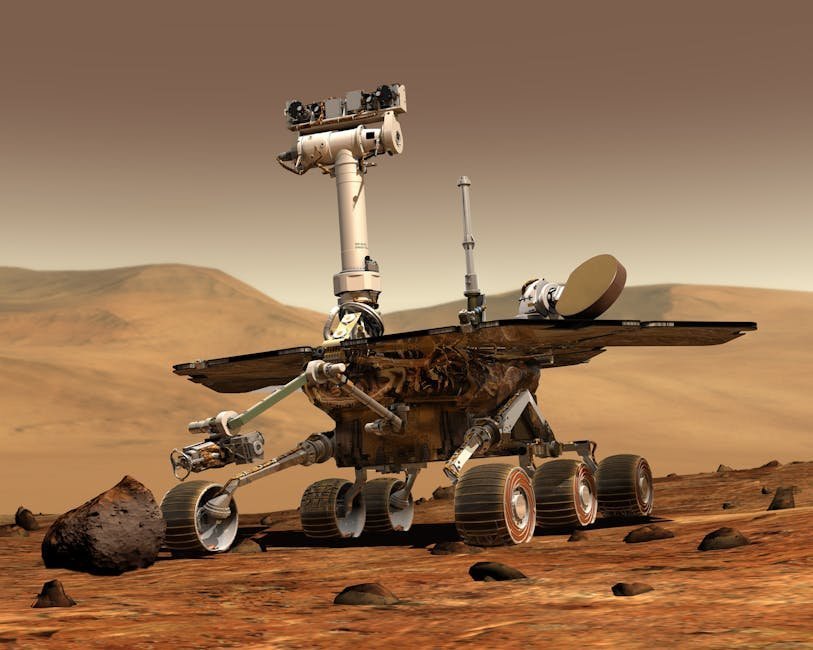
The Mars Reflex in Aries, Scorpio, and Capricorn is not a character flaw. It’s a pattern, one rooted in real neurobiological processes and a deep relationship with Mars-ruled energy. Mars is often considered the planet of war and passion, linking to instinctual behaviors, competitive spirit, and the fight-or-flight response. Its influence extends beyond mere aggression, encompassing sexuality, enthusiasm, and the willpower needed to initiate and sustain effort.
When these three signs feel threatened, their first language is force. That’s not something to be ashamed of. The good news is that emotion regulation can be learned. Through techniques like mindfulness, cognitive reappraisal, and self-awareness, anyone can develop the skills needed to manage emotions effectively and build greater resilience. The reflex points you toward what matters. The pivot is what you build from it.