


A Law From 2003 Is Still Blocking Coverage Today
Under the Medicare Part D outpatient prescription drug benefit program, Part D plans are required to cover a minimum of two drugs in each therapeutic category and class, but from the outset, Medicare has been prohibited by law from covering medications when used specifically for weight loss. That restriction traces back to the legislation that established the Part D program in 2003. At the time, weight-related medications were grouped alongside cosmetic and lifestyle treatments, a classification many medical professionals now find outdated.
A 2003 law that established the Part D prescription drug program explicitly prohibits Part D plans from covering drugs used for weight loss. This same bill also prevents Part D plans from covering hair loss drugs, fertility drugs, and drugs designed to treat erectile dysfunction. The science of obesity has evolved enormously since then. Today, obesity is widely recognized as a chronic disease with metabolic, genetic, and hormonal dimensions, yet the legal framework governing Medicare drug coverage has been slow to follow.
What Ozempic Actually Is – and Why the Label Matters So Much
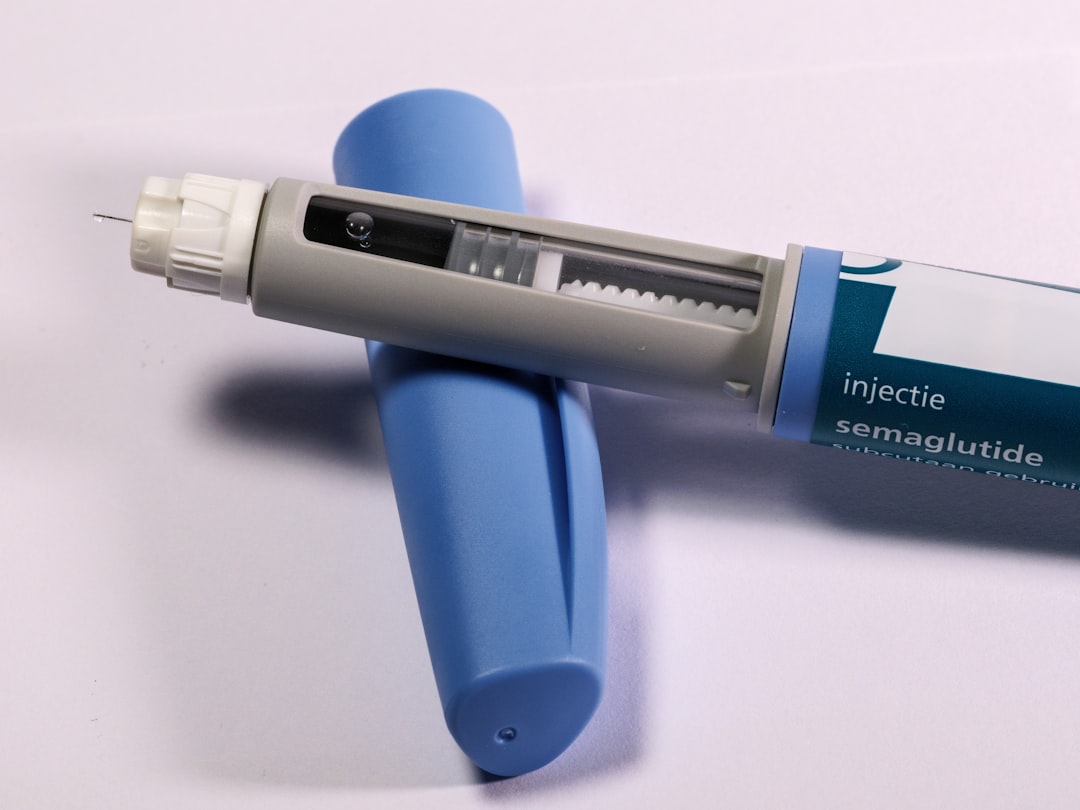
Ozempic is just one brand-name version of semaglutide, a medication prescribed to treat type 2 diabetes. It helps reduce blood sugar, which can reach dangerously high levels in people with diabetes. It’s been FDA-approved for this use since 2017. Over time, healthcare professionals and their patients have reported a welcome side effect to this drug – weight loss. That distinction between an approved use and a side effect matters enormously for coverage.
The same molecule can be covered or denied based entirely on the diagnosis. Tirzepatide prescribed as Mounjaro for diabetes is coverable; the same molecule prescribed as Zepbound for weight loss is not. The critical factor is always the FDA-approved indication your doctor documents. This is not a loophole or a technicality. It is the literal basis upon which coverage decisions are made, and it affects hundreds of thousands of seniors every year.
The True Cost Without Coverage
Without insurance coverage for GLP-1 medications, known by brand names Ozempic, Wegovy, Mounjaro, or Zepbound, individuals could spend anywhere from $900 to $1,300 a month. That is not a minor inconvenience. For the average Medicare beneficiary on a fixed income, that figure can consume a significant portion of monthly income entirely.
Even with discounts, current cash prices typically range from $149 to $699 per month. About half of GLP-1 users say these drugs were difficult for them to afford, according to KFF polling. A quarter said they were “very difficult” to afford. The price gap between what these drugs cost and what many seniors can realistically pay is one of the most visible fault lines in the current healthcare access debate.
Why Only About 10% of Medicare Beneficiaries Qualify for the $50 Offer

About 10% of Medicare enrollees will be newly eligible for coverage of GLP-1 drugs because of the deal, a senior administration official told reporters. That number alone tells a significant story. The vast majority of Medicare beneficiaries who struggle with obesity or excess weight will not qualify under the current framework, at least not yet.
Expanded coverage of GLP-1 medications will cover 10 percent of Medicare beneficiaries. Beneficiaries with Part D benefits will be phased into coverage in three stages through a pilot program. Phase 1 covers overweight individuals with a Body Mass Index greater than 27, individuals with prediabetes, or diagnosed cardiovascular disease. Phase 2 covers overweight individuals with a BMI greater than 30, individuals with uncontrolled hypertension, kidney disease, or heart failure. Phase 3 covers overweight individuals with a BMI greater than 35. The tiered structure reflects both clinical priorities and budget constraints, though it leaves many people in a frustrating middle ground.
The Medicare GLP-1 Bridge: What It Is and What It Isn’t
The Medicare GLP-1 Bridge is a CMS demonstration program running from July 1 to December 31, 2026, that provides Medicare Part D beneficiaries access to Wegovy and Zepbound for weight loss at $50 per month. It operates outside the standard Part D benefit and requires prior authorization and BMI-based eligibility criteria. The word “bridge” is deliberate. This is not a permanent policy shift. It is a pilot designed to gather data while longer-term decisions are still being negotiated.
No part of the $245 net price for eligible GLP-1 drugs prescribed for uses covered under the Medicare GLP-1 Bridge would count toward an eligible beneficiary’s gross covered prescription drug costs, and no part of the $50 copay would count toward the beneficiary’s true out-of-pocket costs under their Part D plan. In addition, the $50 copay for eligible beneficiaries would remain the same, regardless of the phase of the Part D benefit an eligible beneficiary is in when they fill a prescription. That is actually a meaningful benefit for those who do qualify, since it won’t eat into their annual drug cap.
Prior Authorization and Plan Participation Add More Hurdles

Plans must opt-in to the pilot program, meaning not all Part D or Medicare Advantage plans will offer coverage. Even if a senior meets the BMI and medical criteria, their specific plan may not participate. That creates a patchwork system where geographic location and plan selection can determine whether someone can access the benefit at all.
Medicare beneficiaries wishing to receive a GLP-1 for weight loss alone without a related risk factor will not be eligible for savings under the program. Seniors who want these medications purely for weight management – without diabetes, cardiovascular disease, prediabetes, or hypertension – are still left without a coverage pathway. That exclusion affects a large share of the people who have been hoping for relief.
The Spending Problem That Shapes Every Policy Decision

Gross Medicare Part D spending on GLP-1s in 2024, not accounting for rebates, totaled $27.5 billion, a five-fold increase from 2019, reflecting an expansion in use of GLP-1s with more recent FDA approvals for type 2 diabetes. That number refers only to currently approved uses. Expanding coverage to obesity broadly would add substantially more to the bill.
The cost to Medicare of covering obesity drugs under Part D has been estimated at between $25 billion and $35 billion over 10 years, which could have been a driving factor in the reluctance or unwillingness of major Part D plan sponsors to participate in the BALANCE model as it was originally designed. Fiscal concerns are not an abstraction here. They are actively shaping which seniors get access and which ones don’t, which is part of why the 10% figure exists at all.
Supply Shortages and What Comes Next
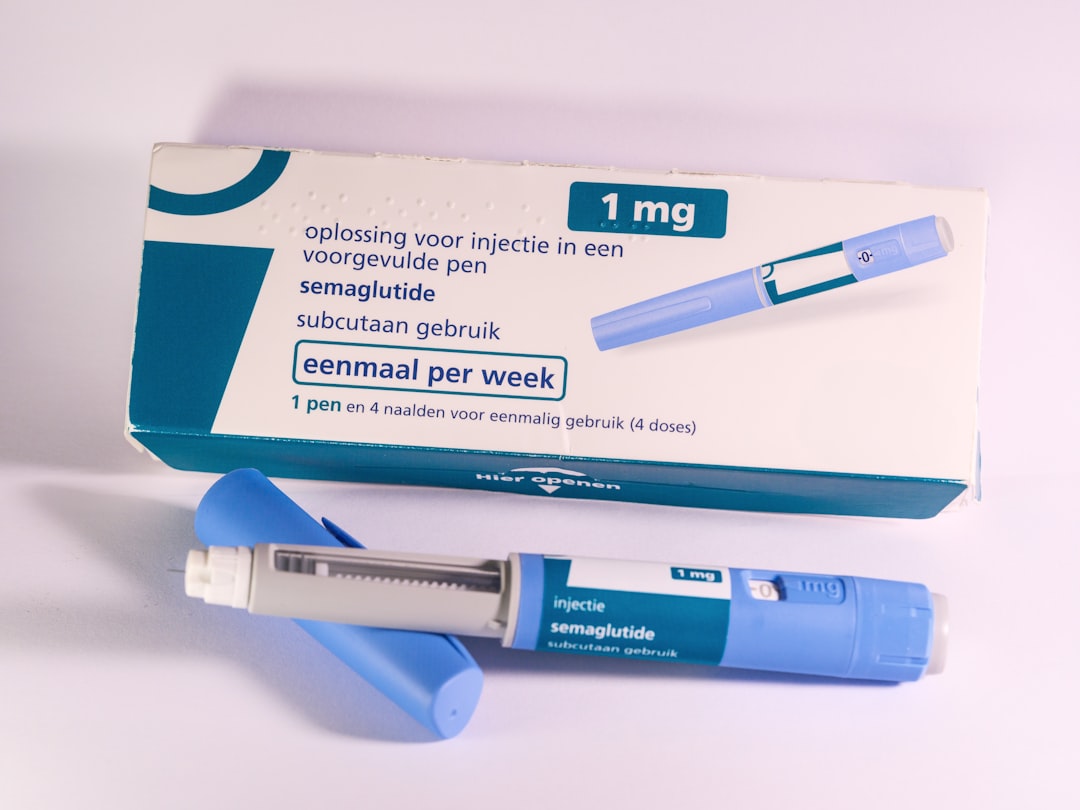
Due to high demand, semaglutide injections sold as Ozempic and Wegovy were in shortage from early 2022 until late February 2025. For nearly three years, even patients who had a legitimate prescription and insurance coverage sometimes couldn’t fill it. The shortage wasn’t just an inconvenience. It affected diabetic patients who depended on the drug for blood sugar control, not weight loss.
High demand for GLP-1 receptor agonists led to a 442% increase in semaglutide fills, impacting type 2 diabetes patients. While Ozempic is indicated for type 2 diabetes, it is often prescribed off-label for weight loss, and the surge in demand resulted in a widespread shortage in pharmacies, impacting patients with type 2 diabetes. Now that supply has stabilized, the focus has shifted from availability to affordability and access. Those are harder problems to solve, and the policy responses so far have been incomplete. The $50 offer is real, the savings are meaningful, and the momentum is genuine. For the roughly 90% of Medicare beneficiaries who don’t yet fit the eligibility window, the clock is still ticking.