
What Myelin Actually Does to Your Brain Speed

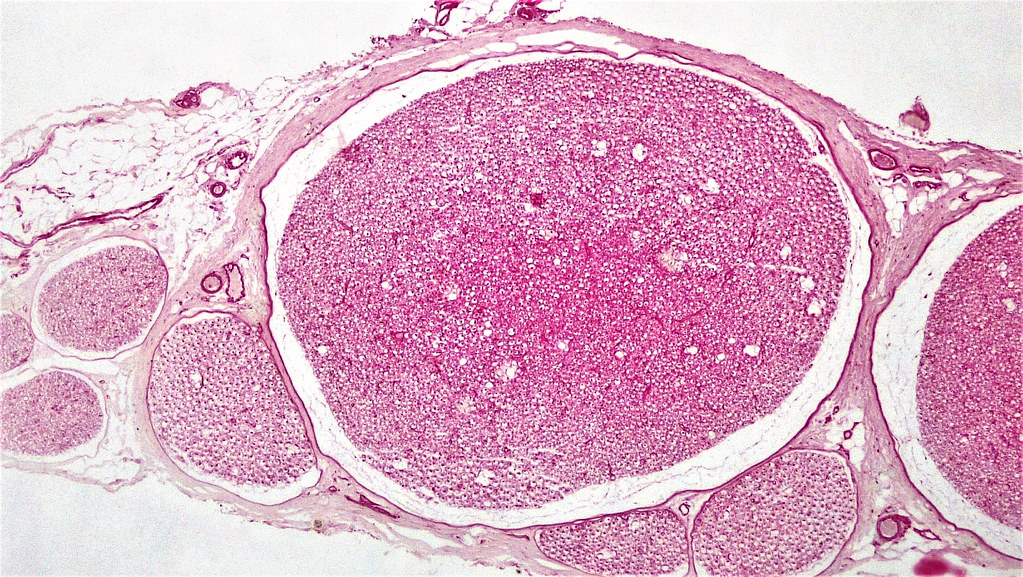
Myelin is a fatty substance that ensheaths nerve fibers, providing electrical insulation and significantly facilitating the rapid and efficient transmission of nerve impulses. Research published in Frontiers in Molecular Biosciences confirms it dramatically increases the speed of an action potential by 10 to 100 times compared to an unmyelinated axon. That range alone tells you a lot. The difference between a well-myelinated brain and a poorly maintained one isn’t marginal.
The integrity of myelination is directly linked to rapid information transfer, which is essential for optimal cognitive functioning. This includes everything from how quickly you read comprehension, how fast you react in a conversation, and how efficiently you manage complex tasks simultaneously.
Oligodendrocytes and their myelin sheaths function both as electrical insulators to enable faster impulse propagation and additionally provide metabolic support to axons. It’s a dual role, both protective and performance-enhancing, which makes the sheath far more important than a passive coating.
The One Food Science Points to Most Consistently: Eggs

Eggs are a widely consumed, nutrient-dense food containing choline, phospholipids, tryptophan, and omega-3 fatty acids, which individually support cognitive processes such as memory, attention, and neurogenesis. No single food packs more of the key myelin-building nutrients into one compact package.
Phospholipids, which comprise roughly 30% of lipids in egg yolk, modulate neurotransmitter receptors and have been shown to lower reaction time in healthy adults. Eggs are also high in choline, a building block for acetylcholine, a neurotransmitter involved in memory, learning and attention. Eggs also contain the omega-3 fatty acid docosahexaenoic acid (DHA), which has roles in neurological function including neurogenesis, synaptic plasticity and myelination.
Eating two eggs at breakfast provides a strong start to your day with 12 grams of high-quality protein and between 50 and 70% of your daily choline requirement. For a nutrient that directly fuels myelin production, that coverage is substantial, and it comes from a food that costs very little and takes three minutes to prepare.
Why Choline Is the Myelin Nutrient You’ve Probably Never Prioritized

Nutritional deficiencies, including choline and long-chain polyunsaturated fatty acids, prior to and during early neurodevelopment can severely alter myelination, reduce levels of insulin-like growth factors critical to oligodendrocyte development, and limit up-regulation of myelin proteins. These are not small or theoretical effects.
Choline, as a neurotransmitter acetylcholine precursor, is reportedly associated with cognitive function. A randomized, double-blind, placebo-controlled study published by Japanese researchers found that ingesting egg yolk choline increased plasma free choline levels, which was linked to improved verbal memory in adults between 60 and 80 years of age.
Despite its importance for brain health, many Americans still don’t get enough choline through their diet. For nutrients such as choline, insufficiencies are common across populations, including children and young people. However, national nutrition surveys in many European countries do not currently include choline in routine dietary monitoring, so official prevalence estimates are often lacking. It’s a blind spot in public health that has real neurological consequences.
The Lipid Architecture of the Myelin Sheath
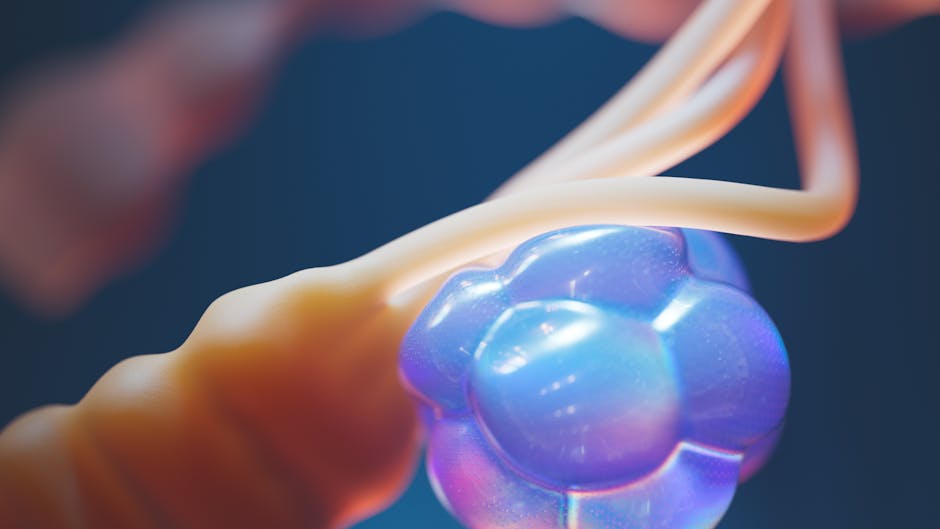
The myelin sheath is uniquely high in lipid content. It contains the bulk of the brain’s lipid content, with all lipid classes contained within its structure, including cholesterol at roughly 25 to 28% of total lipid weight, galactolipids at 27 to 30%, and phospholipids at 40 to 45%. Understanding this composition matters because it tells you exactly what the brain needs from your diet to build and maintain the sheath.
Cholesterol is also essential to myelin structure and function. It is vital to health as it is a functional component of cell membranes and the myelin sheath. Cholesterol is in fact the rate-limiting compound required for myelin synthesis, and failure to remyelinate leads to the axonal damage observed in conditions like multiple sclerosis.
Healthy maturation of the myelinated white matter requires coordinated delivery of key nutritional building blocks, including short and long-chain polyunsaturated fatty acids, phospholipids, and sphingolipids. Getting the lipid balance right through diet is not optional for brain performance. It’s foundational.
Omega-3s and the LPC Mechanism That Directs Myelin Growth
Research out of Duke-NUS Medical School in Singapore demonstrated that LPC omega-3 lipids act as factors within the brain to direct oligodendrocyte development, a process that is critical for brain myelination. Oligodendrocytes are the dedicated myelin-building cells of the central nervous system, and omega-3s appear to be essential signals guiding their development.
The findings of that research could pave the way for developing therapies and dietary supplements based on LPC omega-3 lipids that might help retain myelin in the aging brain and treat patients with neurological disorders stemming from reduced myelination. The implications reach well beyond multiple sclerosis.
Animal models suggest that the consequences of dietary DHA deficiency may be a high omega-6 to omega-3 ratio in brain fatty acid composition and deficiencies in learning and memory. Researchers think this may be due, in part, to negative impacts on neurite outgrowth and myelination. Fatty fish, eggs, and quality fish oil remain the most direct dietary routes to correcting this ratio.
Vitamin B12: The Nutrient That Literally Slows Your Brain Without It

Research published in the Annals of Neurology supports the hypothesis that a lack of available B12 induces a delay in conduction speed through the brain. At low levels of B12 specifically, evidence of slower conductivity in the brain could point toward impaired myelin. This isn’t theoretical. Neural latency increases measurably when B12 dips.
Cobalamin is vital to myelin production and maintenance. A B12 insufficiency may be characterized by homocysteine and methylmalonic acid accumulation, especially if serum B12 falls below a specific threshold. Clinical signs of overt B12 deficiency include neuronal demyelination, neuropathy, and megaloblastic anemia.
The active B12 form promotes axonal sprouting, the regrowth of new nerve endings from a damaged axon. It also helps increase the speed of nerve conduction, suggesting improved remyelination and better functional recovery. The dietary sources most concentrated in B12 include eggs, meat, dairy, and fish, which are all also strong sources of the phospholipids the sheath is built from.
What Happens to Myelin When Your Diet Goes Wrong
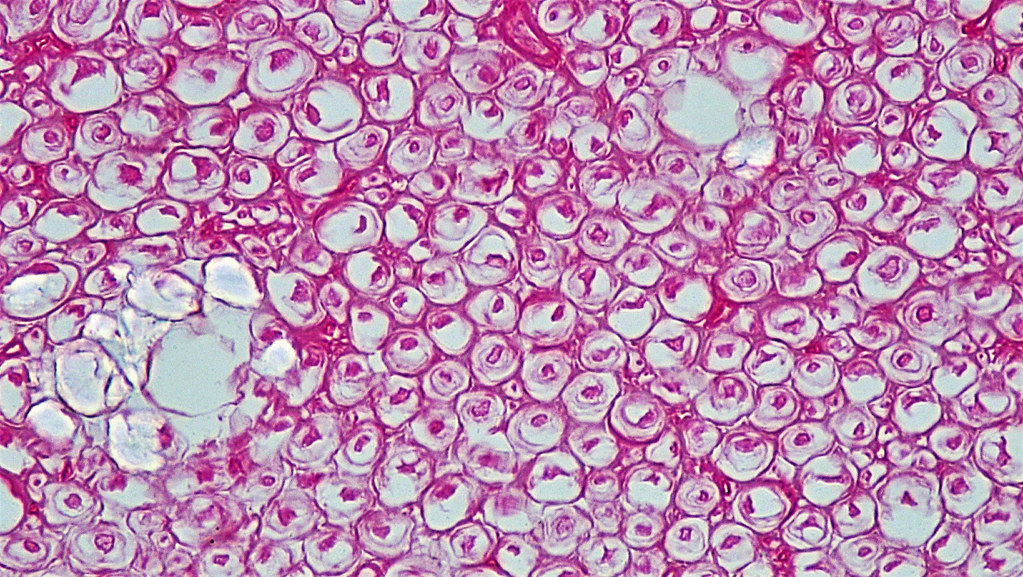
Research suggests that consuming high levels of saturated fat in conjunction with a sedentary lifestyle can lead to a reduction in myelin-forming cells. The type and quality of fat in the diet, not just the quantity, matters enormously for the sheath’s structural integrity over time.
The central nervous system relies on myelin for proper functioning. Myelin remodeling is a risk factor for neurometabolic and endocrine malfunction, resulting in cognitive decline and heightened susceptibility to neurological diseases. The plasticity of myelin upon nutrient shifts may lead to dietary and hormonal interventions for preventing and treating neural complications.
One important consequence of poor metabolic health is difficulty maintaining the myelin sheath, a structure essential for fast and reliable communication between neurons. When myelin breaks down, white matter in the brain deteriorates, a change commonly seen with aging. Diet is one of the most modifiable variables in that process.
The Egg-Alzheimer’s Connection and What It Reveals About Myelin

Eating eggs may lower the risk of Alzheimer’s, according to a 2024 study published in The Journal of Nutrition. The researchers also revealed, using brain autopsies, that people who consumed eggs more regularly had less buildup of toxic Alzheimer’s-related proteins in their brains. They suggested that the choline and omega-3 concentrations in eggs may be responsible for this link.
Their mediation analysis revealed that choline accounts for roughly 39% of the potential benefit of eating eggs on the risk of Alzheimer’s, indicating that the other nutrients in eggs might also be significant. The remainder likely includes DHA, phospholipids, and B12, all of which converge directly on myelin integrity.
The study found that frequent egg consumption is associated with improved cognitive outcomes and less underlying brain disease. The findings reinforce the notion that dietary choices in later life might influence brain aging, and emphasize eggs as a potentially beneficial food for older persons. The connection between this specific food and myelin health now has a meaningful research trail supporting it.
Calorie Quality, Aging, and Myelin Gene Expression

Researchers at Boston University found that brain cells from a calorie-restricted group showed stronger metabolic function and improved cellular performance. These cells displayed higher levels of myelin-related gene expression and greater activity in important metabolic pathways that support the production and maintenance of myelin.
According to the researchers, these results suggest that long-term dietary habits can influence the course of brain aging at a molecular level. The study, published in Aging Cell in late 2025, reinforces that both what you eat and how much you eat shape the myelin environment across decades.
Marathon runners were also found to experience reversible changes in their brain myelin, indicating that myelin exhibits behavior previously unknown, and that it contributes toward the brain’s energy metabolism when other sources of energy are running low. Myelin is not static. It responds, adapts, and recovers, particularly when nutritional support is in place.
Putting It Together: A Practical Nutrient Picture for Myelin Support
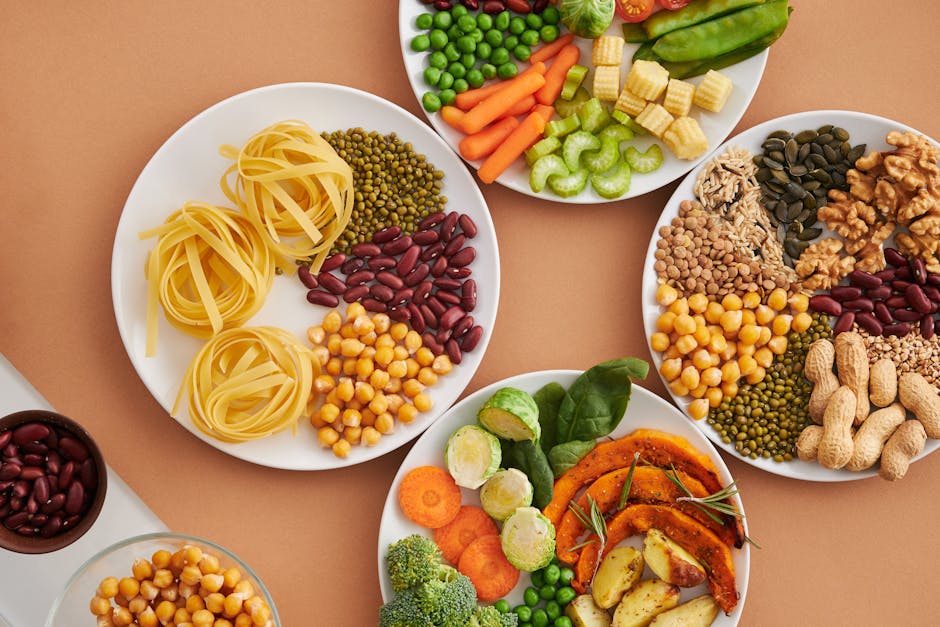
Specific nutrients support myelin production and function, including long-chain polyunsaturated fatty acids such as DHA and arachidonic acid, iron, choline, iodine, and B12. Each plays a different but complementary role in building, insulating, and repairing the sheath.
Thiamine is involved in maintaining the myelin sheath and facilitating nerve impulses. Riboflavin is crucial in the nervous system and myelin formation. Biotin is essential to fatty acid synthesis and supports myelin repair and neuronal energy production. These are all accessible through a varied, whole-food diet that prioritizes nutrient density over calorie simplicity.
A healthy whole-food-based diet is essential to maintaining the myelin sheath. While emerging data does not establish a clear cause-and-effect relationship between any single food and cognitive function in isolation, the findings strongly support that the nutrients in eggs can have a significant impact on the maintenance of brain health. Consistency, variety, and nutritional completeness across years matter more than any single meal.
Conclusion