


What “Anticipatory Computing” Actually Means

The term has a formal definition. Researchers describe “Anticipatory Computing” as a computing paradigm focused on applications developed to anticipate specific user requirements – performing an action in anticipation of a question from the user or sending a suggestion before one is requested. It’s described as an example of prediction plus action, making it a genuine innovation beyond ordinary AI.
Anticipatory design predicts user needs and acts proactively to simplify or eliminate steps – going beyond personalization by using predictive context instead of reactive preferences. In plain terms, the system isn’t just remembering what you liked last time. It’s building a model of your likely future behavior and getting there first.
In AI, intent refers to the underlying goal or purpose behind a user’s action. Anticipatory design doesn’t just consider what the user is doing – clicking a button or viewing content – but what the user is trying to achieve. That distinction, small as it sounds, changes everything about how a system responds.
The Scale of the Connected World Behind the Curtain

IoT adoption is skyrocketing, with over 17 billion connected devices in 2024, projected to exceed 30 billion by 2025. Each one of those devices is a potential data point, feeding behavioral patterns back into systems designed to learn from them.
The global AI in smart home technology market was valued at USD 15.3 billion in 2024 and is predicted to reach USD 104.1 billion by 2034 at a 21.3% compound annual growth rate. That’s not a niche trend. It’s a structural shift in how consumer technology is built and sold.
The AIoT market – combining artificial intelligence with the Internet of Things – is projected to expand from roughly 18 billion dollars in 2024 to nearly 80 billion dollars by 2030, reflecting a growth rate of 27.6%. This surge is attributed to the increasing demand for automation and enhanced operational efficiency across industries.
How Virtual Assistants Learned to Read Your Mind

Virtual assistants like Google Assistant, Siri, and Alexa have evolved far beyond responding to voice commands. These tools now analyze calendar schedules, search history, emails, and even tone of voice to anticipate user needs – suggesting leaving earlier for a meeting due to traffic, or reminding users of an upcoming bill payment.
This level of intuition transforms AI assistants from reactive tools into indispensable proactive partners. The shift from answering to anticipating is not cosmetic. It requires the system to maintain an evolving model of who you are across time.
Emerging capabilities include multilingual comprehension, emotion recognition, and contextual awareness. A voice command to “set the mood” might adjust lights, music, and temperature in perfect harmony – learning from prior setups and evolving user preferences.
Your Smart Home Is Paying Closer Attention Than You Think
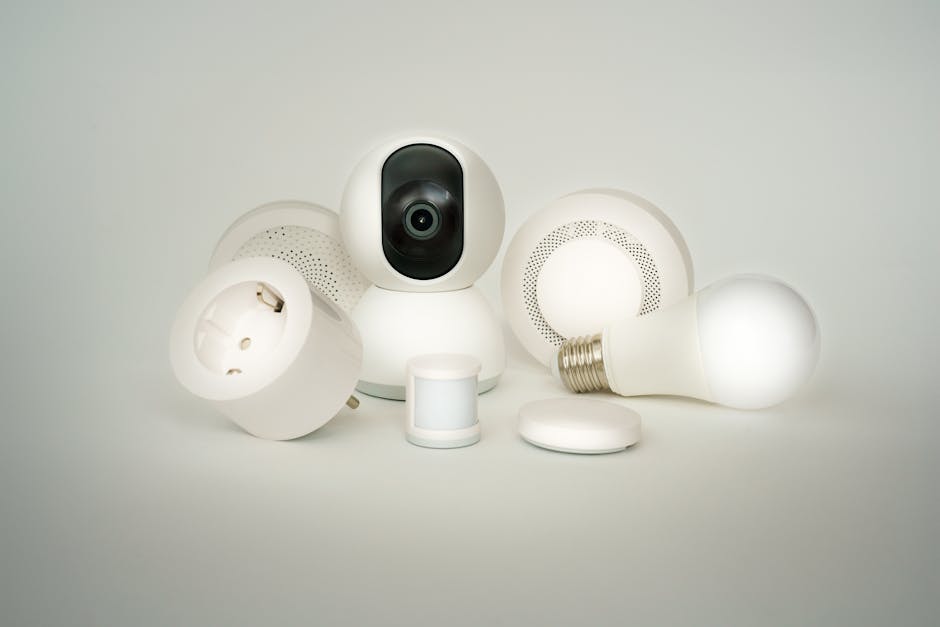
Using sensors and historical data, AI can predict when you’re likely to return home and pre-condition your environment – turning on lights, adjusting temperature, and playing your favorite playlist. It also identifies energy usage patterns and suggests optimizations. This kind of anticipatory control is a hallmark of next-generation smart homes.
The most advanced cross-device AI implementations move beyond reactive coordination to predictive behavior that anticipates needs before they’re expressed. A system might recognize that Sunday afternoon cooking sessions typically require enhanced kitchen ventilation, bright task lighting, and background music – and automatically coordinate those elements before cooking begins.
This predictive capability becomes particularly powerful when systems learn seasonal and long-term patterns. The AI might recognize that the approach of winter requires coordination between heating systems, humidity control, and lighting schedules – and begin those adjustments weeks in advance, creating smooth transitions that users barely notice.
The Engine Running Under the Hood: Edge AI Chips
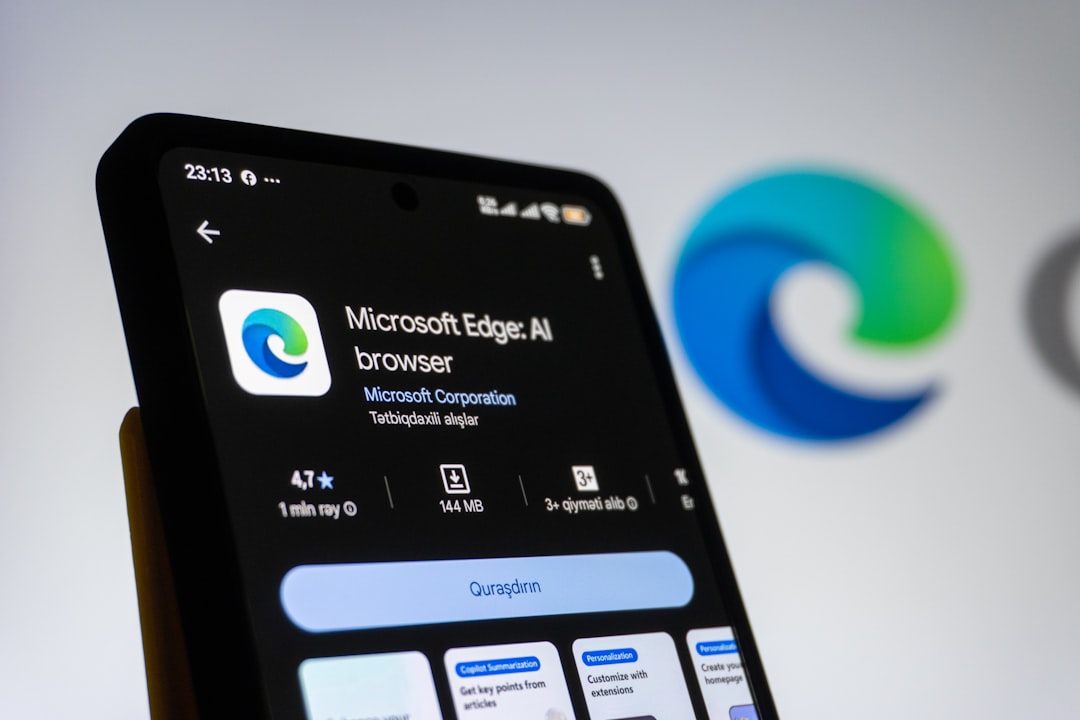
Edge AI is the deployment of artificial intelligence algorithms directly on edge devices such as sensors, IoT devices, and smartphones. Unlike traditional AI models that require cloud-based processing, Edge AI handles computation locally – reducing the need to transfer large volumes of data to centralized locations, cutting down on latency and network bandwidth usage.
Smartphones contribute nearly half of the on-device AI market in 2025, with major brands like Apple, Samsung, and Google offering built-in AI features such as image processing, voice recognition, and security. The intelligence, in other words, lives inside the device in your pocket.
The edge AI hardware market is projected to reach nearly 59 billion dollars by 2030 from about 26 billion dollars in 2025. A key market driver is the growing deployment of IoT devices across industries including smart homes, industrial automation, healthcare, and transportation – many of which require real-time data processing so decision-making can occur locally rather than in the cloud.
Behavioral Modeling: The Science of Knowing You Better Than You Know Yourself

AI’s ability to process and analyze vast amounts of historical data is a game-changer for predictive user modeling. By examining past interactions, purchases, and engagement metrics, AI algorithms can identify subtle patterns that human analysts might overlook – forming the foundation for accurate predictions about future user behavior.
Advanced behavioral AI can recognize patterns that users themselves might not be aware of. The system might detect that a user’s music preferences shift predictably with weather patterns, work stress levels, or seasonal changes – then proactively adjust recommendations and automated playback to match these subtle influences.
Sequence Prediction Models anticipate the next step in a workflow using techniques like Markov Chains or Recurrent Neural Networks, predicting the next most probable action based on a sequence of previous actions. These are the same core mechanisms that allow a streaming platform to auto-play exactly what you’ll want next.
Wearables and Health: Anticipation That Could Save Your Life

The integration of AI and machine learning into wearable sensor technologies has substantially advanced health data science, enabling continuous monitoring, personalized interventions, and predictive analytics. The fast advancement of these technologies has also raised critical ethical and regulatory concerns, particularly around data privacy and algorithmic bias.
Emerging biometric capabilities will enable predictive health features that could identify potential medical issues days or weeks before symptoms become apparent. Smart home systems might detect changes in gait patterns that suggest developing mobility issues, or identify respiratory pattern changes that could indicate the onset of illness.
Edge AI is already optimizing patient care through wearables and remote monitoring devices. Smartwatches with built-in ECGs can detect irregular heart rhythms, process the data locally, and immediately alert users or physicians about potential issues – without requiring a constant cloud connection.
Predictive Cars: Driving Before You Decide
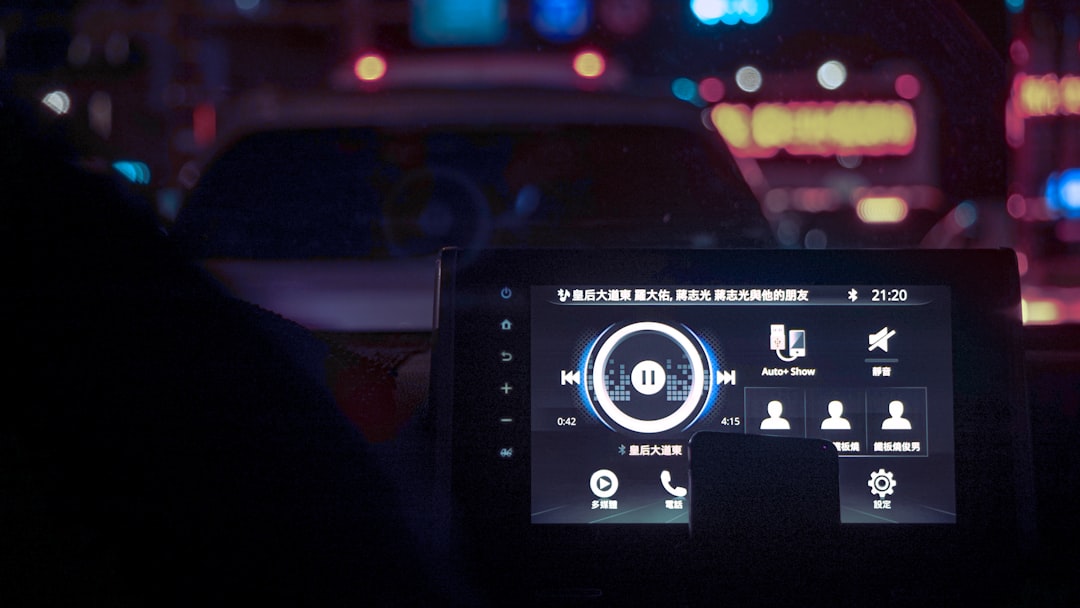
In 2025, predictive technology in automobiles is making driving safer and more efficient. Advanced driver-assistance systems analyze driving patterns, traffic conditions, and even driver mood to prevent accidents and suggest optimal routes – with cars now anticipating braking needs, recommending rest stops during long drives, and preemptively adjusting settings based on past trips.
These systems collect massive amounts of data from sensors like cameras, radar, and ultrasonic detectors, which AI then processes to predict traffic behavior, detect obstacles, and make split-second driving decisions. Tesla’s edge, for instance, lies in its self-learning AI, where the fleet continuously improves as it gathers and analyzes more driving data worldwide.
In January 2025, Qualcomm and Amazon collaborated to enhance in-car experiences using Qualcomm’s Snapdragon Cockpit Platform and Amazon’s AI and cloud capabilities, enabling more intuitive, personalized, and AI-powered solutions for automakers. The car, increasingly, becomes another layer of the anticipatory environment surrounding you.
The Privacy Trade-Off Nobody Fully Reads

Many users aren’t fully informed about what data is being collected, how it’s stored, or who it’s shared with. Consent processes are often buried in lengthy policies, making transparency a genuine challenge. The very features that feel magical depend on an exchange that most users haven’t consciously made.
The passive and pervasive nature of data collection, the opacity of model inference, and the risk of algorithmic discrimination all call into question the adequacy of existing regulatory frameworks. In some cases, decisions are derived from models that are neither explainable to end-users nor fully auditable by developers – eroding the conditions necessary for trust, autonomy, and accountability.
2024 marked a pivotal moment in global regulation, as transformative legislation concerning privacy, artificial intelligence, and cybersecurity commenced a significant overhaul of the compliance landscape. Notably, the introduction of the European Union AI Act and the ongoing expansion of state-level AI and privacy regulations in the United States marked a revolution in how organizations must navigate the space.
What Comes Next: The Boundaries of Anticipation

By 2026, analysts anticipate AI systems that can create unique user profiles encompassing thousands of behavioral variables, enabling personalization that adapts continuously to life changes – while maintaining privacy through advanced federated learning approaches that keep personal data distributed and encrypted.
The future of smart home and device AI lies in systems that become so seamlessly integrated into daily life that conscious interaction becomes unnecessary. Ambient computing will enable devices to understand user intent through subtle cues like body language, vocal patterns, and environmental context.
The concept of informed consent is expected to extend beyond a one-time checkbox on a sign-up form to a dynamic, ongoing dialogue between users and service providers. How that dialogue takes shape – and who controls it – may be the defining design question of the next decade in consumer technology.
The neural handshake between humans and devices is already in progress. The more interesting question isn’t whether machines will keep getting better at reading us. It’s whether we’ll get better at understanding what we’ve actually agreed to in return.