

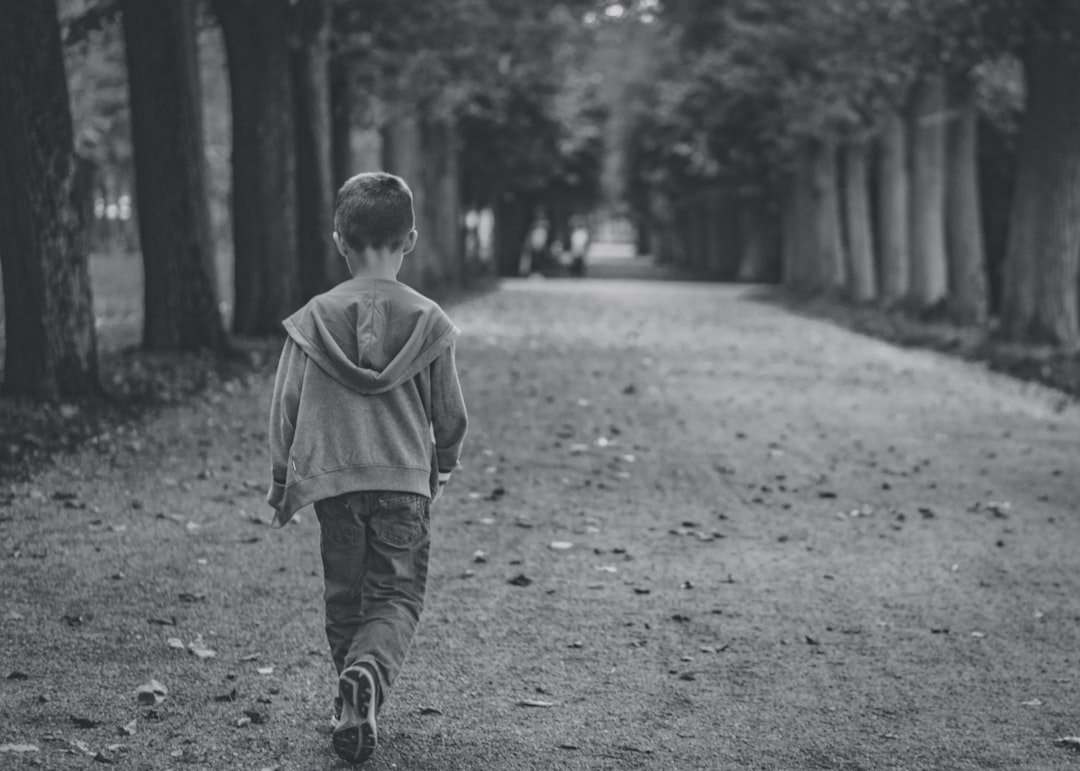
Defining Household Chaos and Its Early Marks (Image Credits: Unsplash)
Picture a vibrant party filled with laughter, music, and overlapping conversations. For many, such scenes promise connection and joy. Yet for adults raised in noisy, hectic households, these gatherings often stir a profound sense of isolation, reopening old emotional wounds where superficial busyness masked a lack of genuine care.[1][2]
Defining Household Chaos and Its Early Marks
Researchers have long examined household chaos, marked by excessive noise, overcrowding, unpredictability, and absent routines. Children in such environments faced constant sensory overload, where televisions blared endlessly and family routines dissolved into disorder. Studies showed these conditions hindered emotional regulation from an early age.
Preschoolers exposed to this chaos displayed heightened aggression and attention issues, with specific elements like background television predicting behavioral problems. Crowding and noise prompted some children to withdraw as a coping strategy, fostering early isolation. These patterns persisted, as cross-lagged analyses revealed chaos at age nine forecasted disruptive behaviors by age twelve.
Survival Strategies That Shape Adult Responses
Children adapted to chaos in distinct ways, often becoming either hypervigilant sentinels or unnervingly calm observers. The hypervigilant scanned rooms for tension, a skill honed by unpredictable parental moods. Others retreated inward, perfecting self-reliance amid the din.[5]
These adaptations proved double-edged. While they ensured survival in tumult, they complicated adult interactions. Social settings reminiscent of home triggered familiar unease, where crowds offered presence without resonance. Adults from such backgrounds frequently reported exhaustion in ordinary calm, their systems wired for crisis.[6]
- Hypervigilance to emotional undercurrents in groups
- Preference for solitude over superficial chatter
- Difficulty relaxing in unstructured social noise
- Excitement in crises but drain from routine gatherings
- Self-sufficiency that borders on emotional detachment
The Crowd as a Mirror of Childhood Neglect
Large gatherings echoed the loud households where emotional check-ins rarely occurred. Adults returned to these scenes seeking belonging, only to confront manufactured loneliness – the very disconnection forged in youth. Proximity failed to bridge the gap when resonance remained absent.[2]
Research linked early chaos to later withdrawal in noisy environments, amplifying solitude amid others. Those raised amid busyness learned to navigate without true inquiry into their inner worlds. Parties and family events thus reopened circuits of unmet needs, turning energy into emotional fog.
| Chaotic Home Traits | Adult Social Impact |
|---|---|
| Noise and crowding | Overwhelm in lively events |
| Lack of routines | Struggles with unstructured mingling |
| Emotional oversight | Deep isolation despite company |
Enduring Mental Health Ripples
Longitudinal studies confirmed chaos’s causal role in adult mental health declines. Twins perceiving greater household disarray reported poorer outcomes in their twenties, beyond genetic factors. Shared environments explained significant variance in conduct issues persisting from childhood.[7]
These effects spanned cognition, behavior, and socioemotional adjustment. Interventions targeting noise reduction and routines showed promise in curbing trajectories. Yet unrecognized patterns perpetuated cycles, with adults mistaking calm for boredom or distance.[7]
Key Takeaways
- Household chaos environmentally drives disruptive behaviors and mental health risks.
- Early adaptations like withdrawal heighten adult loneliness in crowds.
- Targeted routines in childhood can mitigate long-term social struggles.
Understanding this link offers a path to healing: recognizing crowd-induced loneliness as an echo, not a flaw. Seeking quieter, resonant connections rewires old circuits. What experiences from your upbringing shape your social comfort today? Share in the comments.