


The Cyberball Experiment That Changed Everything

In the first neuroimaging study of social exclusion in humans, participants completed a brain-scanning session while playing an interactive virtual ball-tossing game called “Cyberball” over the internet, believing they were playing with two other real individuals. They were not. Participants completed one round where they were included and a second round where they were excluded partway through.
Upon being excluded, compared to being included, participants showed increased activity in both the dorsal anterior cingulate cortex (dACC) and the anterior insula, a pattern very similar to what is typically seen in studies of physical pain. Individuals who showed greater dACC activity also reported stronger feelings of social distress, such as feeling rejected and meaningless.
This study found that social exclusion activates the dorsal anterior cingulate cortex and the anterior insula, brain regions that are also known to respond to physical pain. This led to the formulation of the “social pain overlap theory,” which suggests that social and physical pain share common neural circuitry.
The Brain Regions at the Center of It All
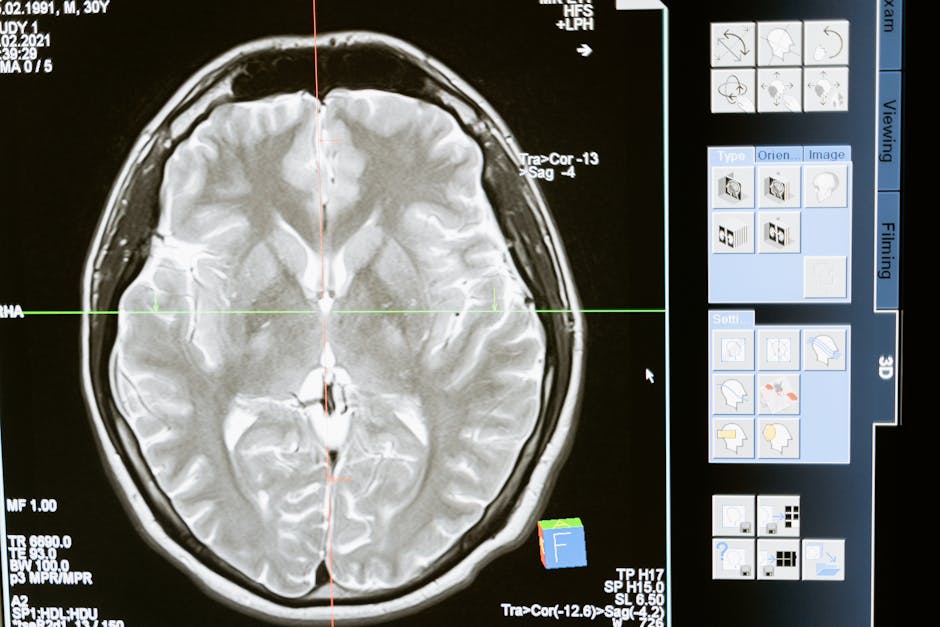
Considerable neuropsychological and neuroimaging research has demonstrated that the affective or unpleasant component of physical pain is processed, in part, by the dorsal portion of the anterior cingulate cortex and the anterior insula, whereas the sensory component of pain is processed by the primary and secondary somatosensory cortices and the posterior insula.
Chronic pain patients who have undergone cingulotomy, a surgery in which a portion of the dACC is removed, report that they can still feel and localize pain sensation but that the pain no longer “bothers” them. Insular lesions result in similar reductions in emotional responses to painful stimuli.
One candidate brain region for the detection and processing of social exclusion is the dorsal anterior cingulate cortex. Several neuroimaging and computational modeling studies have revealed that the dACC serves as a conflict or discrepancy detector during information processing.
How Deep Does the Overlap Go?
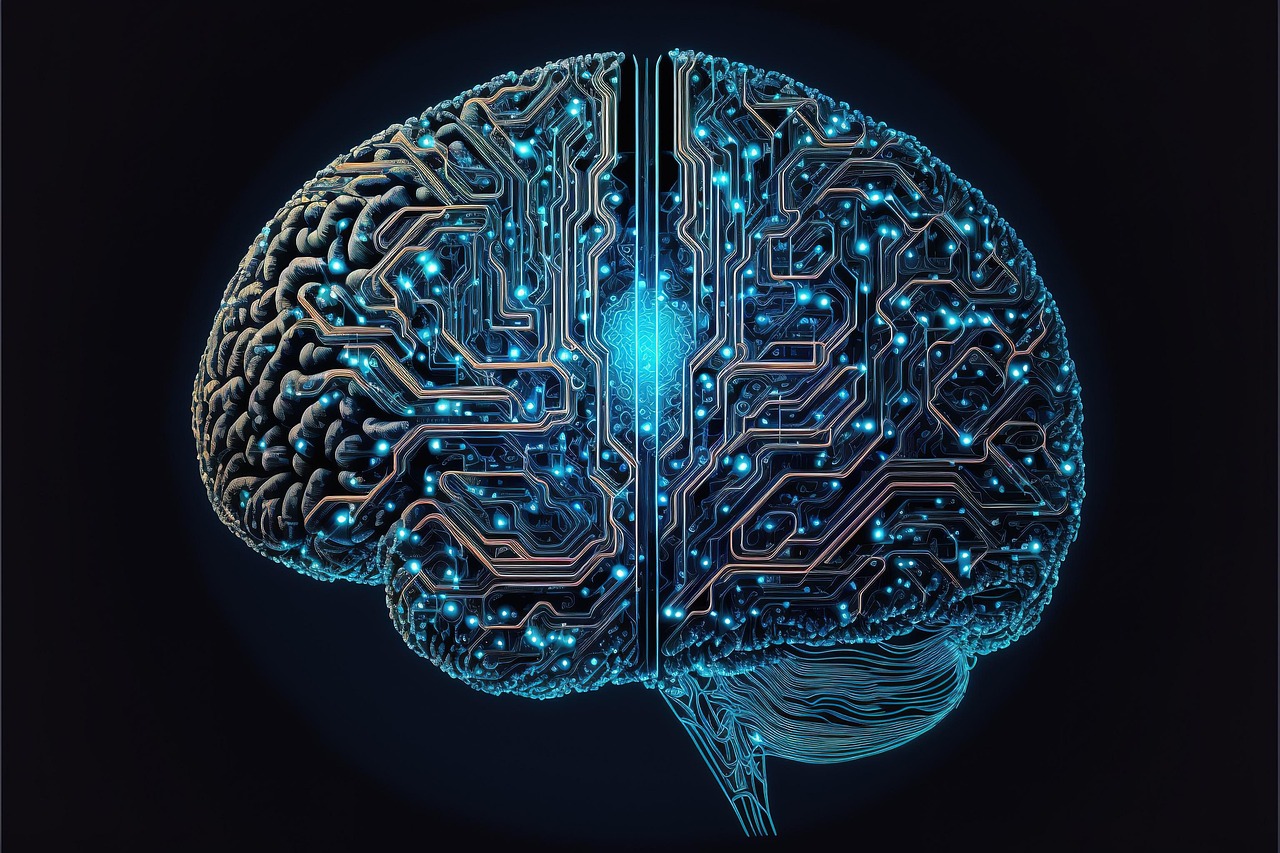
This model has been significantly expanded by neuroscience research that has connected the experience of physical pain with the experience of “social pain,” including ostracism, loss, and interpersonal conflict, by identifying a shared underlying neural pathway. The role of this shared neural pathway was first suggested by functional MRI studies in the early 2000s, which reported that regions associated with pain and pain-related distress also show similar activation in paradigms designed to elicit social pain through exclusion.
Research suggests that a network of brain regions that support the affective components of physical pain underlie both experiences. When rejection is powerfully elicited, such as by having people who recently experienced an unwanted break-up view a photograph of their ex-partner while thinking about being rejected, areas that support the sensory components of physical pain, including the secondary somatosensory cortex and dorsal posterior insula, become active.
Researchers demonstrated the overlap between social rejection and physical pain by comparing both conditions in the same individuals using functional MRI, and further demonstrated the specificity of the secondary somatosensory cortex and dorsal posterior insula activity to physical pain by comparing activated locations against a database of over 500 published studies.
When a Painkiller Eases Heartbreak

Pain, whether caused by physical injury or social rejection, is an inevitable part of life. These two types of pain may rely on some of the same behavioral and neural mechanisms that register pain-related affect. To the extent that these pain processes overlap, acetaminophen, a physical pain suppressant that acts through central rather than peripheral neural mechanisms, may also reduce behavioral and neural responses to social rejection.
Doses of acetaminophen reduced reports of social pain on a daily basis. Researchers found that acetaminophen reduced neural responses to social rejection in brain regions previously associated with distress caused by social pain and the affective component of physical pain, specifically the dorsal anterior cingulate cortex and anterior insula.
Acetaminophen, both deceptive and open-label placebos, mindfulness training, and psilocybin were all found to reduce social pain across multiple studies. These findings don’t recommend reaching for a painkiller after a difficult conversation, but they do illustrate something profound about how the brain categorizes hurt.
Social Exclusion Amplifies Physical Pain Too

The “Pain Overlap Theory” proposes that the experience of social pain overlaps with and amplifies the experience of physical pain by sharing parts of the same underlying processing systems.
To determine whether social pain can subsequently impact responses to nociceptive stimuli via convergent electrical or chemical signals, researchers designed a novel Social Exclusion paradigm called the Fear of Missing Out Task. They found that socially excluded subjects displayed more severe responses to physical pain, disrupted valence encoding, and impaired neural representations of nociceptive stimuli.
It appears that increased or decreased social pain can alter physical pain in a parallel manner, meaning that social pain might lead an individual to feel increased physical pain. These shared functional brain regions provide evidence for the interaction between social and physical pain.
The Evolutionary Reason Behind This Wiring

Although experiences of social pain are clearly distressing, the painful feelings following social exclusion or broken social relationships serve a valuable function: ensuring the maintenance of close social ties. To the extent that being rejected hurts, individuals are motivated to avoid situations where rejection is likely. Over the course of evolutionary history, avoiding social rejection and staying connected to others likely increased chances of survival, as being part of a group provided additional resources, protection, and safety.
This hypothesis suggests that neural resources dedicated to pain processing were co-opted over the course of evolution to make the experience of social rejection particularly salient, motivating the maintenance of close social ties and ultimately promoting evolutionary fitness.
The social attachment system in humans may have evolved by piggybacking directly onto the physical pain system to promote survival. To the extent that social separation threatened human survival, feeling hurt by separation may have offered an adaptive edge.
The Inflammation Connection
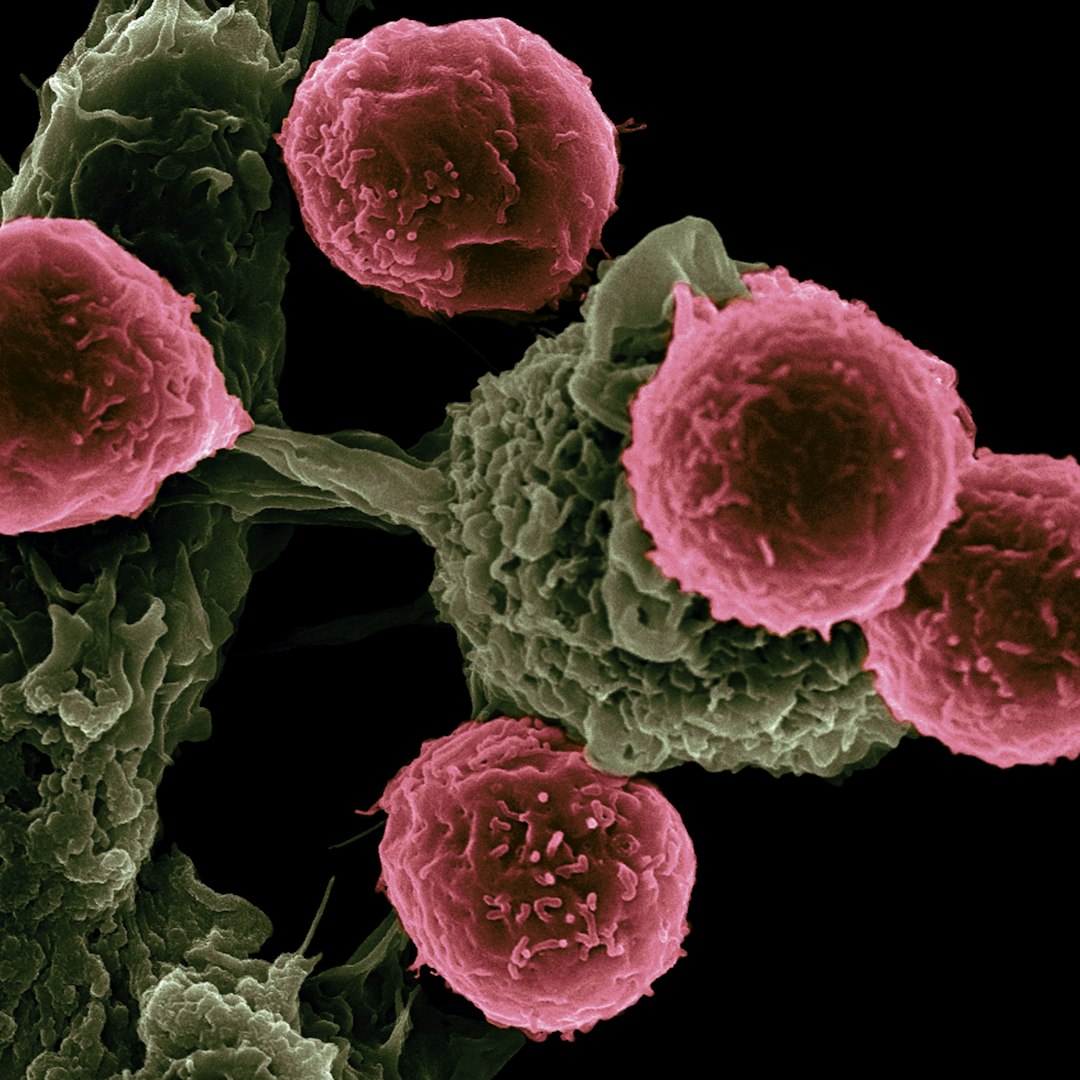
Social stressors have been found to correlate with increased circulation of proinflammatory cytokines. Similarly, proinflammatory cytokines like IL-6 have been found to mediate the relationship between social exclusion and depression, and show correlations with pain intensity in some populations.
Several reports have associated social isolation and loneliness with increased plasmatic levels of inflammatory markers such as interleukin-6, C-reactive protein, soluble urokinase plasminogen activator, fibrinogen, and ferritin.
Immune system changes are particularly pronounced, with socially isolated individuals showing increased production of pro-inflammatory cytokines like interleukin-6 and tumor necrosis factor-alpha. They also demonstrate reduced immune responses to vaccines and increased susceptibility to viral infections, suggesting a shift toward inflammatory responses at the expense of antiviral immunity.
Individual Differences: Not Everyone Hurts the Same Way

Individuals who are more sensitive to one kind of pain are also more sensitive to the other, as individual differences in the functioning of this shared underlying circuitry manifest in both kinds of pain. Altering one type of painful experience appears to alter the other in a similar manner.
Compared with healthy controls, patients with borderline personality disorder showed higher activation during social exclusion in the anterior cingulate cortex, the medial prefrontal cortex, and the right precuneus. This aligns with the well-established understanding that patients with BPD have a heightened sensitivity to social exclusion.
Emerging evidence suggests that genetic factors may also affect this phenomenon, with gene polymorphisms in the mu-opioid receptor gene, which is strongly associated with physical pain, predicting not only ratings of pain unpleasantness but also social pain sensitivity.
The Science Is Not Settled: Where Debates Continue
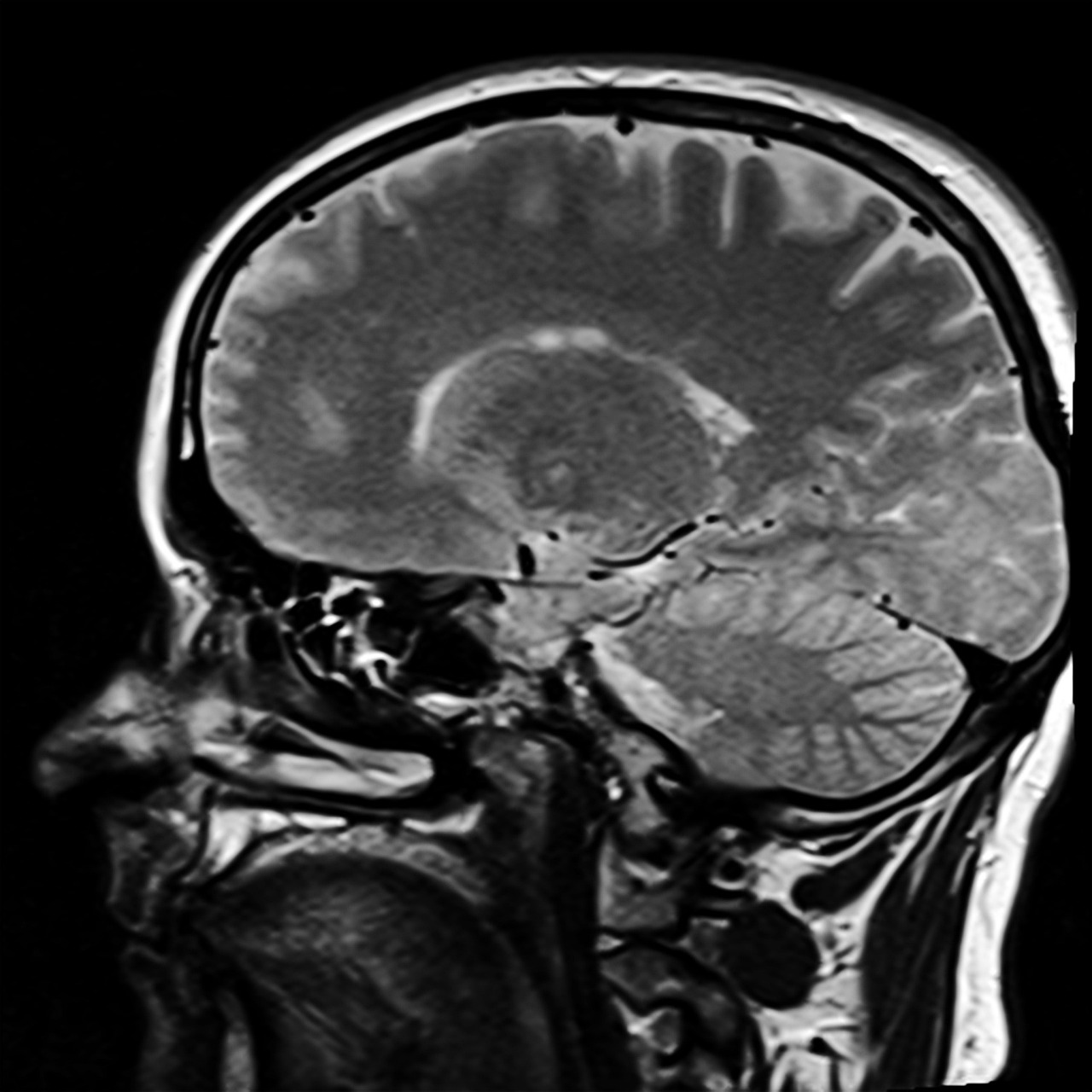
Physical pain and social rejection are widely believed to be processed by common neural substrates in the brain. More recent research combining brain imaging with pattern analysis has suggested that, in fact, pain and rejection may be processed by distinct neural substrates that are located in similar but not identical anatomical brain regions.
Growing neuroimaging findings have shown that the anatomical neural overlap is not specific to core pain processing brain regions. Many new pieces of evidence prompt a more cautious interpretation of the apparent similarities between social and physical pain. Still, exploring the interaction between these two experiences remains important for understanding the nature of pain itself.
While recent studies suggest that pain and social rejection have distinct representations in the dACC and anterior insula, many perspectives still maintain a role for these regions in processing rejection-related affective distress. The debate, in short, has refined the original claim rather than dismantled it.
What This Means for How We Treat Social Pain

Social isolation affects health through biological, behavioral, and psychological pathways and is associated with physical and psychological well-being, increases morbidity and mortality rates, and lowers quality of life.
Most studies have connected loneliness, social isolation, smaller social networks, reduced contact with family and friends, lower engagement in activities, and negative social interactions with cognitive decline. These are not soft, subjective complaints. They are measurable shifts in brain and body function.
In contrast to interventions that leverage the neural connection between physical and social pain, mindfulness training has been found to focus on developing conscious emotional responses to social exclusion, offering a psychologically grounded approach to managing the distress. Recognizing that social pain is real in a neurological sense changes how both individuals and healthcare systems ought to respond to it.
Conclusion: Silence Has a Biology

The silent treatment has long been dismissed as a minor social slight, something thin-skinned people overreact to. The neuroscience says otherwise. When someone is ignored or shut out, their brain initiates a pain response that is measurably similar to what occurs during physical injury. This is not weakness. It is wiring.
Understanding this opens a more honest conversation about ostracism, whether in relationships, workplaces, or schools. Experiences of social rejection, exclusion, or loss may be described as “painful” because they rely, in part, on pain-related neural circuitry. That insight alone reframes the conversation around what it means to be truly excluded.
The body does not distinguish easily between a bruise and a betrayal. Perhaps we shouldn’t either.