

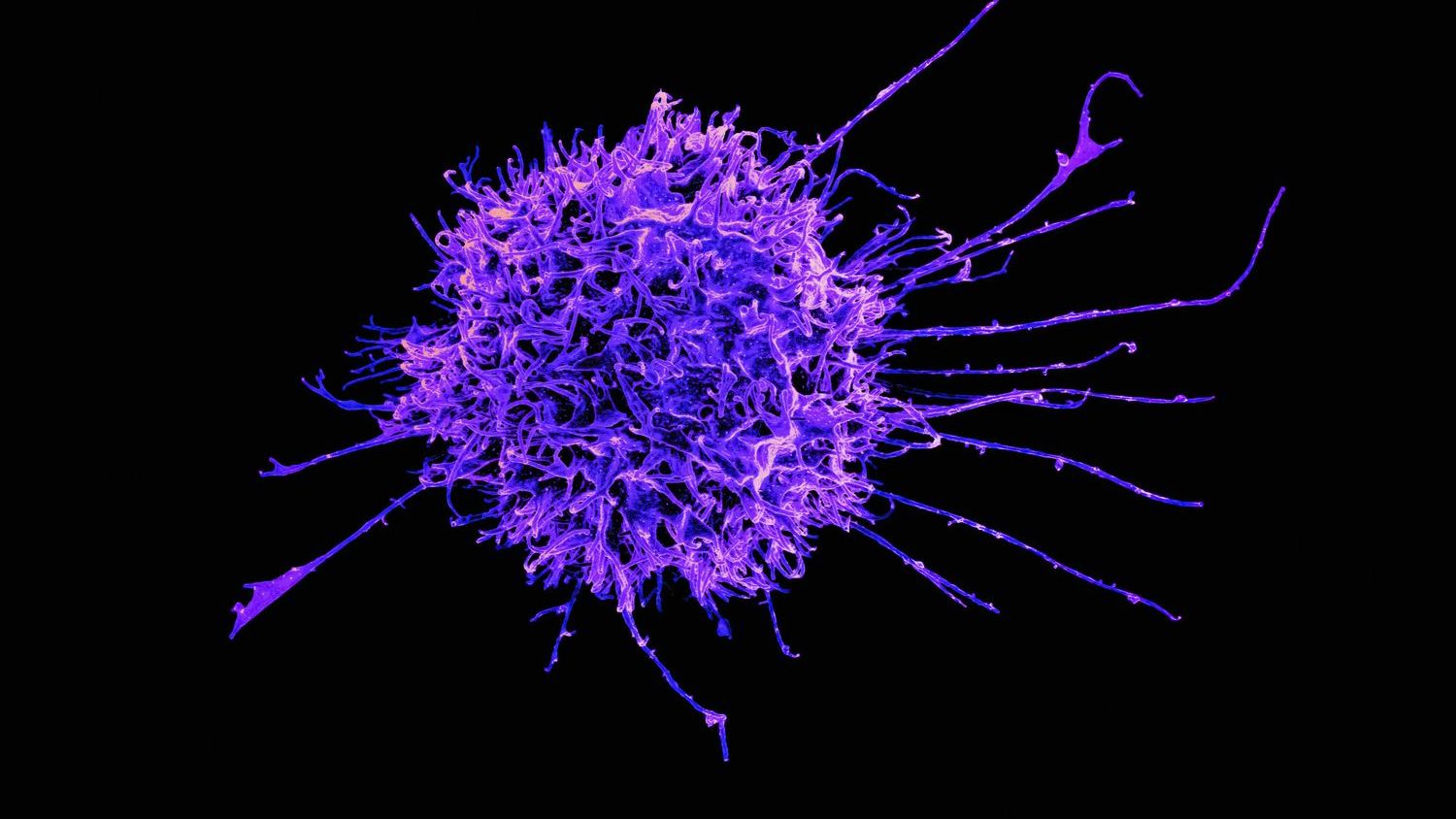
RNA's first letter may shape antiviral alarms, with A outpacing G – Image for illustrative purposes only (Image credits: Unsplash)
Warsaw researchers have traced a powerful effect on the body’s first line of defense against viruses to one of the smallest possible differences in an RNA molecule. At the International Institute of Molecular and Cell Biology, a team led by Professor Gracjan Michlewski found that the identity of the very first nucleotide can determine how vigorously a cell mounts its innate immune response. The finding highlights how even a single building block at the beginning of an RNA strand can steer whether antiviral defenses activate strongly or remain relatively quiet.
A Molecular Detail With Outsize Consequences
RNA molecules carry instructions inside cells and also serve as signals that the immune system monitors. When a cell detects foreign or unusual RNA, it can trigger a cascade that produces interferons and other molecules meant to slow viral spread. The Warsaw group showed that this detection step is sensitive to the precise nucleotide sitting at the 5′ end. In their experiments, strands beginning with one base consistently provoked a stronger reaction than those beginning with another.
The difference is not about the overall sequence or length of the RNA. It is strictly about which base occupies the first position. This narrow requirement surprised the researchers because most immune sensors are thought to recognize broader patterns rather than a single terminal letter. The result suggests that cells have evolved an unexpectedly fine-grained way to judge whether an RNA molecule is likely to come from a virus.
Why the First Base Matters to Innate Immunity
Innate immunity acts within minutes of infection, before the adaptive system has time to produce antibodies. One of its key tasks is to distinguish self RNA from viral RNA. The new work indicates that the starting nucleotide helps make that distinction. When the first base matches a pattern the cell interprets as foreign, the antiviral machinery ramps up quickly. When the base matches a pattern the cell treats as its own, the response stays muted.
This built-in preference may reduce the chance that normal cellular RNAs accidentally trigger inflammation. At the same time, it gives the cell a rapid way to react when a virus introduces RNA with a different starting base. The mechanism therefore balances sensitivity and safety in a single, elegant rule.
What the Experiments Showed About A and G
The team compared otherwise identical RNA strands that differed only in their first nucleotide. Strands beginning with adenosine produced markedly higher levels of antiviral signaling than those beginning with guanosine. The gap appeared across several cell types and assay conditions, pointing to a general principle rather than an artifact of one experimental setup.
Because the effect is so localized, it offers a clean way to test how immune sensors read the 5′ end. Future studies can now ask which proteins actually contact that first base and how the contact translates into downstream signaling. The finding also raises the possibility that some viruses have evolved to place particular bases at their RNA ends in order to slip past detection.
Looking Ahead From a Single-Nucleotide Insight
Understanding how cells read the first letter of RNA adds a new layer to the picture of antiviral defense. It shows that immune recognition can operate at a level of precision once thought too subtle to matter. The work from Warsaw therefore opens fresh questions about how other small features of RNA might influence immune outcomes.
For now, the observation stands as a clear reminder that biology often hides important rules in the smallest details. A single base at the start of an RNA molecule can shift the balance between a quiet cell and one that is actively fighting infection. That knowledge may eventually help scientists design better ways to measure or modulate innate immune activity when viruses strike.