

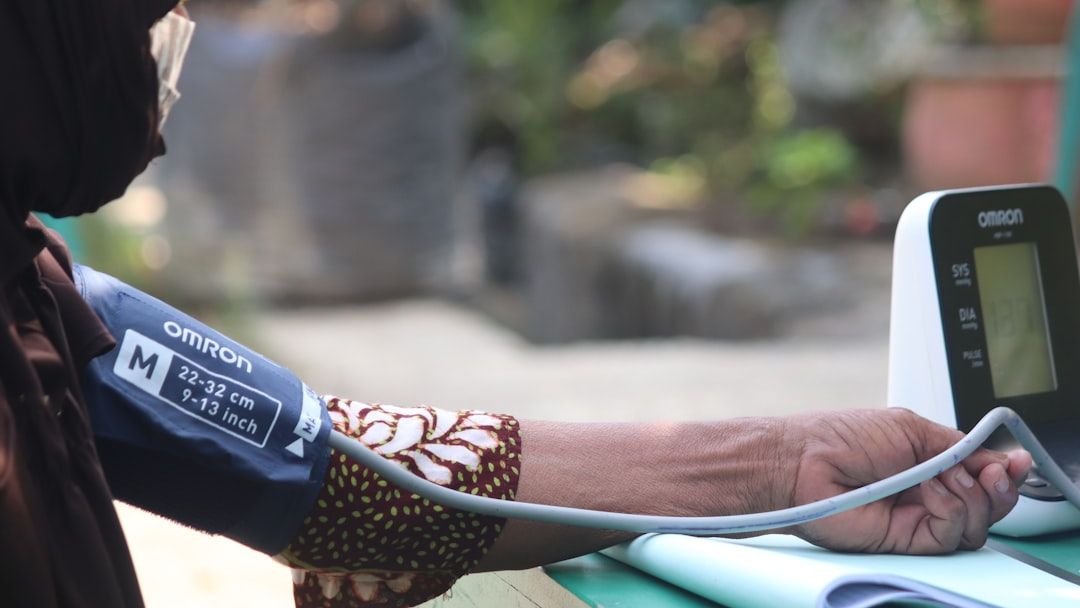
The Blood Pressure Habits Doctors Say Seniors Ignore Too Often – Image for illustrative purposes only (Image credits: Unsplash)
Many older Americans take their prescribed medications as directed yet still encounter challenges keeping blood pressure within target ranges. The difference often traces back to ordinary routines that receive little notice until readings begin to climb. These patterns accumulate quietly, influencing heart health in ways that prescriptions alone cannot fully offset.
Why Consistent Home Tracking Matters More Than Occasional Visits
Blood pressure readings taken only during medical appointments can miss important daily variations caused by stress, sleep quality, or even the time of day. Home monitoring with a validated device provides a clearer view of how the body responds throughout ordinary activities. When patterns emerge over weeks rather than single visits, physicians gain better information for adjusting care plans. Seniors who track numbers regularly often notice small shifts early enough to make targeted adjustments before larger problems develop.
Hidden Influences in Meals and Fluid Balance
Sodium intake extends well beyond the salt shaker, appearing in processed foods, canned goods, and restaurant preparations that many retirees rely on for convenience. Even items labeled as lower in fat can carry substantial amounts added for taste and shelf life. At the same time, reduced fluid intake, sometimes chosen to limit nighttime bathroom trips, can affect how the body regulates pressure and processes medications. Paying closer attention to both sodium sources and steady hydration supports steadier readings without requiring dramatic overhauls.
Rest, Movement, and the Effects of Inactivity
Sleep difficulties such as frequent waking or breathing interruptions during the night place ongoing strain on the cardiovascular system. Many older adults accept these changes as inevitable with age and rarely mention them during checkups. Prolonged sitting, common during retirement hours spent reading or watching television, compounds the issue by limiting circulation even among those who exercise a few times weekly. Brief periods of standing or walking every hour can interrupt these effects and contribute to more stable pressure levels over time.
Medication Routines, Stress, and Over-the-Counter Products
Taking blood pressure medications at inconsistent times or missing doses occasionally can reduce their overall effectiveness, particularly when multiple prescriptions are involved. Simple tools like organizers or phone alerts help maintain steadier schedules. Emotional pressures from finances, caregiving, or loss of social connections continue to affect readings long after retirement begins. In addition, common over-the-counter items such as decongestants or certain pain relievers may raise pressure or interact with existing treatments, making periodic reviews with a pharmacist a practical safeguard.
Building Awareness Into Everyday Life
Small, repeated actions often produce more lasting results than isolated efforts. The following areas tend to yield noticeable differences when addressed steadily:
- Checking blood pressure at home on a regular schedule rather than only at appointments.
- Reviewing nutrition labels for sodium content before purchasing packaged foods.
- Discussing sleep concerns openly with a healthcare provider instead of assuming they are normal.
- Incorporating short movement breaks during long periods of sitting.
- Keeping medication timing consistent and asking about over-the-counter products before use.
These steps do not replace medical advice but complement it by giving individuals more direct insight into their own patterns.
Key point: Blood pressure management improves most reliably when daily habits receive the same attention as prescriptions, allowing seniors to notice changes early and respond before complications arise.
Over time, these adjustments become part of ordinary routines rather than added burdens. The result is often greater stability in readings and fewer surprises during medical visits, supporting longer periods of independence and well-being.