

The Countdown Nobody Can Ignore

Superman and Lois Lane will enter the public domain in 2034, followed by Batman in 2035, the Joker in 2036, and Wonder Woman in 2037. These aren’t distant theoretical dates on a legal calendar somewhere. They’re active planning milestones inside one of the largest media companies in the world.
According to U.S. law, a property introduced before 1978 makes its way into the public domain once 95 years have passed after its first publication. Superman made his debut in April 1938 in Action Comics #1, meaning he enters the public domain in 2034, while Batman, who first appeared in Detective Comics #27 on March 30, 1939, will follow in 2035. For Warner Bros. Discovery, the company that controls these characters, this isn’t a distant philosophical concern. It’s a business emergency arriving in slow motion.
What the 95-Year Rule Actually Means

Copyright protects creative works such as books, films, images, and songs from being copied without the permission of the work’s creator and copyright holder. Limited exceptions are allowed for “fair use,” which covers satire and some educational purposes. U.S. copyright laws grant the creator of content ownership for 95 years, which means famous works eventually enter the public domain. That’s the basic framework. The implications, though, are enormous for a company sitting on characters worth billions.
Once a copyright expires, that protection only releases rights to the character as it existed when it was created. If someone wants to use the character as it exists today, they’d need to wait another 95 years from when those modern versions were published. Releasing new content does not extend a copyright. This is the core tension DC is navigating right now. The original 1939 Batman can eventually be freely used. Everything else that came after is a separate matter entirely.
The Early Versions That Will Slip Through
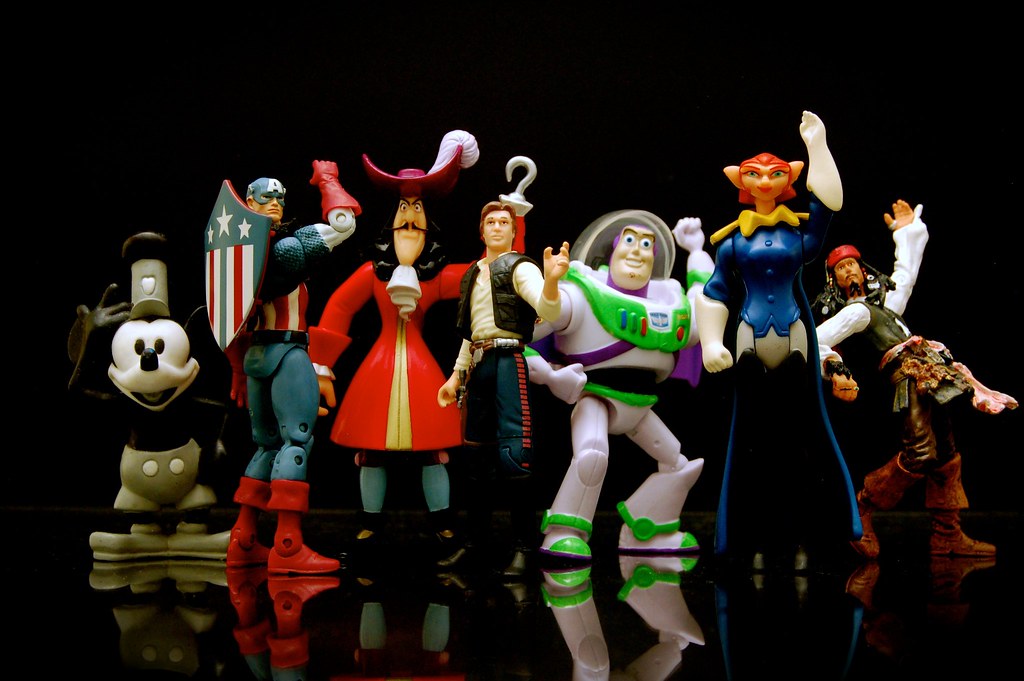
Once the copyrights expire, filmmakers and comic book writers would have to stick to the earliest versions of the characters. In the words of comic book author and Batman expert Chris Sims: “You get Batman, but you don’t get Robin.” “You get Superman, but you don’t get kryptonite.” The original iteration of Superman could only leap, but could not fly. These limitations are significant. The characters that would enter the public domain are stripped-down, almost unrecognizable versions compared to what audiences know today.
The Batman who debuted in Detective Comics #27 in 1939, the dark detective without Robin, gadgets, or the Batmobile, becomes public domain in 2035. Later versions, with the modern suit, logo, or characters like Harley Quinn, remain protected as separate creative works. So the Joker that enters the public domain around 2036 is a thin sketch of a character compared to the layered cultural icon we recognize. Still, that opening is real, and DC knows it.
Mickey Mouse as the Warning Shot
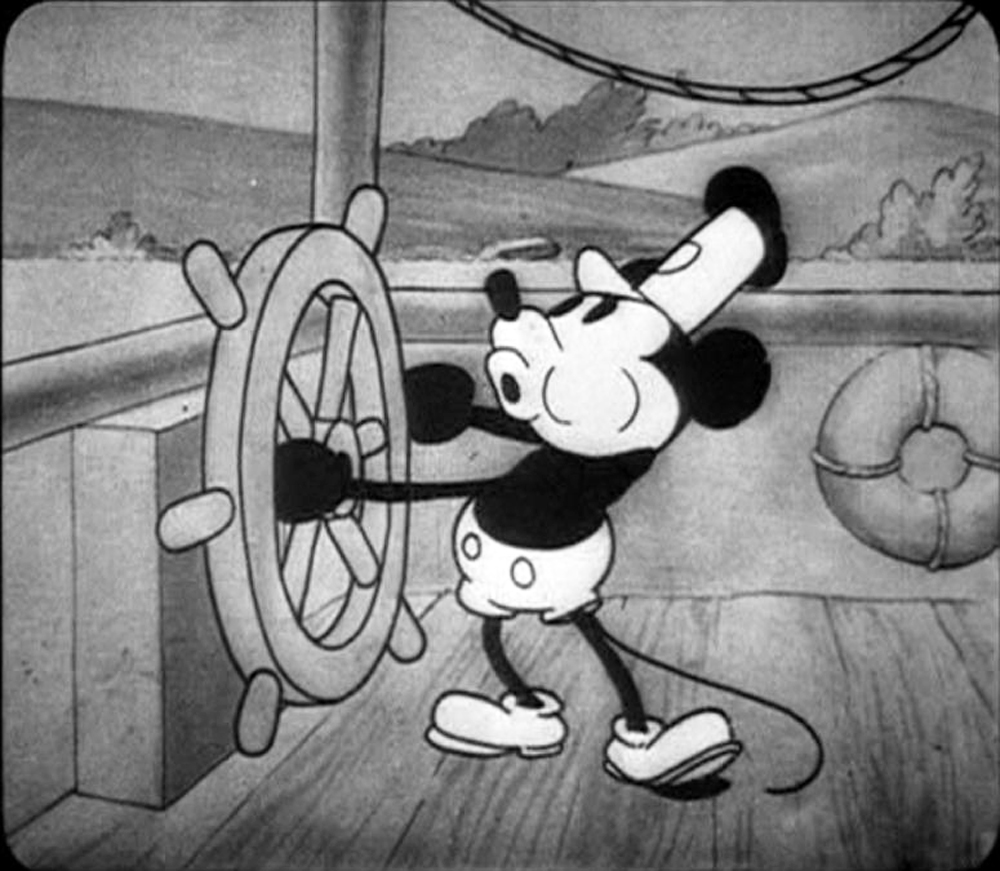
Mickey Mouse, one of the most iconic cartoon characters of all time and Walt Disney’s most endearing creation, is now in the public domain: the copyright on the landmark animated short Steamboat Willie, the earliest appearance of Mickey Mouse, expired at the start of 2024. What happened next was both predictable and instructive. On January 1, Disney lost control of “Steamboat Willie,” and within 24 hours two horror-comedies starring Mickey Mouse were announced. DC was watching very carefully.
Only the earliest version of Mickey Mouse appearing in Steamboat Willie entered the public domain. The image of Mickey from Steamboat Willie looks very different from the typical Mickey Mouse we see today. Disney had taken to modernizing the character over the years, giving him bigger ears, giving him pupils, and different shorts. Disney still retains rights to all later iterations of Mickey and to any associated registered trademarks, such as the Mickey Mouse ears used in the Disney logo. These measures help Disney extend its copyrights and cement the company’s association with the character. DC took note of every step in that playbook.
The Trademark Shield – and Its Real Limits

DC has done a careful job of tying the characters to itself by trademarking the terms “Man of Steel” and “Caped Crusader,” as well as Superman’s “S” and Batman’s logo. This is the most visible layer of the strategy. Trademark rights do not expire. For as long as you continue to use something as a brand in commerce, you have trademark rights. That’s a meaningful wall to build around a character whose copyright is about to lapse.
In a unanimous opinion, the Supreme Court made clear that trademarks cannot be used to make an “end run around copyright law” because this would “create a species of mutant copyright law that limits the public’s federal right to copy and to use expired copyrights.” In other words, trademark protection has real ceilings. The characters’ names should be fair game, so long as it’s clear that the depiction is not coming from DC. The trademark locks the brand identity. It doesn’t lock the character concept itself.
The “Keep ‘Em Fresh” Strategy
Jay Kogan, DC’s deputy general counsel, laid out a strategy to protect characters that fall into the public domain in a 2001 article. Since only the older versions lose protection, he urged: “Keep ’em fresh and up-to-date.” By gradually changing the literary and visual characteristics of a character over time, a character owner can keep whatever the then-current image of the character is as the de facto standard in the public consciousness. That strategy is now being executed at speed and scale across DC’s entire publishing line.
DC Comics recently relaunched its ongoing Batman title with writer Matt Fraction and artist Jorge Jiménez at the helm. This relaunch takes the Batman comic series back to issue 1 and launches a bold new era for the Dark Knight, one that reflects the modern times we live in. Examples include the revival of Alfred Pennyworth as a hologram AI program, a new electric Batmobile, a revamped Batman costume, and a complete redesign of the Joker. These aren’t creative whims. Each change is a new layer of copyright protection stacked on top of the character.
Batman and Joker’s Radical Redesigns in Practice
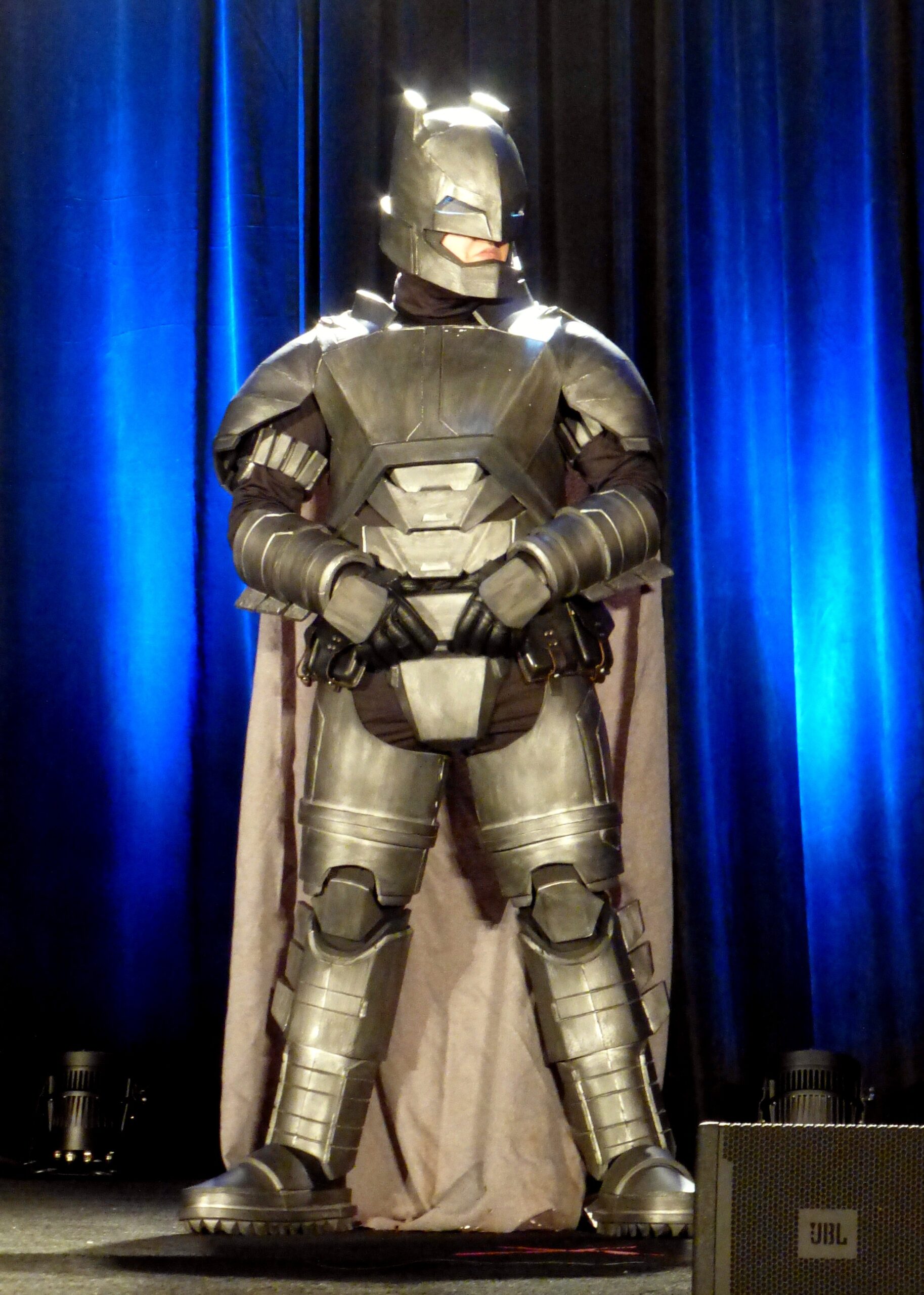
Batman has returned to his blue and gray color scheme and now has a new, larger bat symbol. The publisher also released an unlettered preview that reveals Batman’s new costume comes with a few hidden gadgets, such as a pair of display goggles. Separately, the Absolute Batman series, which officially launched in October 2024, reimagines the Dark Knight as a 24-year-old blue-collar civil engineer, which is about as far from the original 1939 Bruce Wayne concept as it’s possible to get.
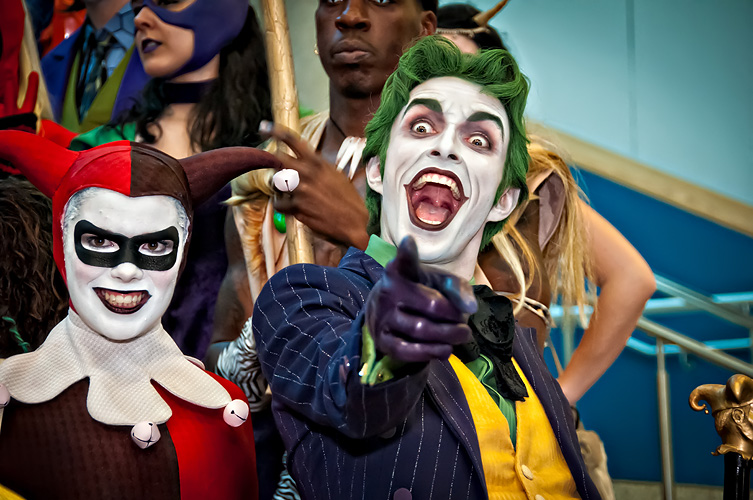
The Batman #6 saw the debut of a new Joker in Fraction and Jiménez’s run, and this take on the Clown Prince of Crime is unlike any seen before. Joker is imprisoned at Arkham Tower, where he is confined in a liquid-filled stasis chamber. Meanwhile, the Absolute Batman series reimagines the Dark Knight as a 24-year-old blue-collar civil engineer, and the first look at the character’s full monstrous Joker form was recently revealed. The design received strong reactions from fans, as many wondered how the Dark Knight would stand a chance against such a gargantuan and horrifying version of the Clown Prince of Crime. These are not small tweaks. These are structural reimaginings, each generating fresh copyright protection.
What DC’s Broader IP Architecture Looks Like Now
DC has been preparing for this for years. At a press event in 2023, CEO James Gunn noted that the next Superman film will introduce characters from “The Authority,” a comic series that launched in 1999, in part because the Superman copyright is about to expire. Introducing newer, fully protected characters into the core franchise is a deliberate move. The older a character’s copyright gets, the more important it becomes to surround it with newer intellectual property that can’t be freely copied.
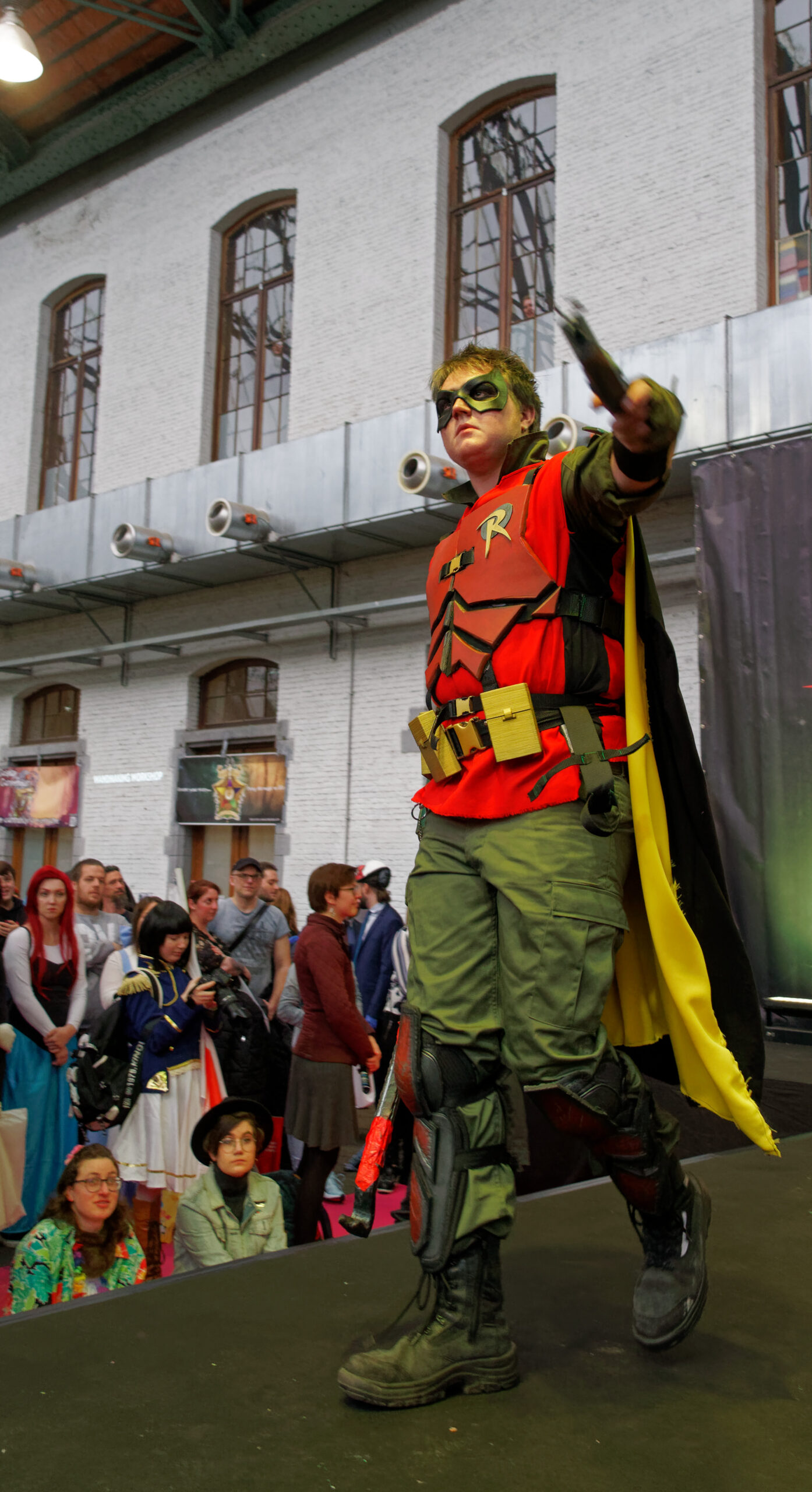
At the most public level, co-head of DC Studios James Gunn has already mapped out a new DC Universe with an eye on spotlighting lesser-known characters. For example, the tentpole film Superman: Legacy will introduce a group of superhumans called The Authority. Along the same lines, a Batman movie titled The Brave and the Bold will star a new Batman actor while expanding members of “the Bat family,” including Batman’s biological son, Damian Wayne, as a version of Robin. Every new character added to these stories is a piece of IP that won’t face public domain pressure until well into the next century.
Warner Bros. Discovery describes itself as one of the world’s leading creators, owners, and distributors of intellectual property, and protection of its content and brands is of primary importance. To protect its intellectual property assets, the company relies upon a combination of copyright, trademark, patent, unfair competition, and internet and domain name statutes and laws, as well as contract provisions. Warner Bros. Discovery’s annual revenue was roughly 37 billion dollars in fiscal year 2025, and a substantial portion of that commercial engine runs on the DC franchise. Losing meaningful control over its flagship characters is not something the company treats lightly.
The Flood That’s Coming Anyway
Comic book author and Batman expert Chris Sims expects a flood of unauthorized Batman comics to hit the stands as soon as the copyright expires. “There’s going to be 100 of them,” he says. “They’re going to have them ready to go.” Movie producers will also be able to make their own versions – much as they already do with public domain characters like Dracula and Robin Hood – though in the beginning they will have to stick to the original versions of the characters. This is the reality DC is trying to minimize, not prevent entirely.
Batman will partially enter the public domain in 2035 because the copyright of the first comic expires. However, the name, logo, and many modern versions remain protected through trademark law and later copyrights. For creators, this means the original Batman may be interpreted, but not presented as part of the DC franchise. The practical effect is a two-tier world: anyone can make a 1939-era bat-themed detective story, but the moment they call him Batman, use the logo, or lean on decades of modern mythology, they’re stepping into contested legal territory. DC is spending these last years before expiration making sure its modern Batman is so distinct, so legally distinct, and so culturally dominant that the original version looks like a historical artifact by comparison.
The strategy isn’t about stopping the clock. Copyright law doesn’t allow that. It’s about making the clock matter as little as possible by the time it runs out.