

Few topics spark more genuine debate than the uncanny accuracy of what people describe as “water sign intuition.” Someone born under Cancer seems to sense emotional undercurrents before anyone speaks. A Scorpio friend calls you the exact moment something goes wrong. A Pisces colleague accurately reads a room the moment they walk in. These experiences feel real, and for millions of people, they absolutely are real. The question is what, exactly, is producing them.
There are two broad camps here. One says it’s deeply human, rooted in cognitive science and emotional sensitivity honed over years of lived experience. The other says it’s something more, something beyond what can be mapped onto a brain scan. The truth, frustratingly, sits somewhere in between – and it’s worth taking seriously from both angles.
What Astrology Actually Says About Water Signs
In astrology, the three water signs – Cancer, Scorpio, and Pisces – are emotional, intuitive, and sensitive, and known for deep feelings and strong connections with others. These aren’t new observations. The association between these signs and emotional perception has existed in astrological tradition for centuries, across cultures and continents. In astrology, water is associated with the emotional and spiritual world. It represents intuition, sensitivity, and the subconscious – the things we feel but cannot always explain.
Each water sign brings a different expression of water energy. Cancer feels and protects, Scorpio transforms through emotion, and Pisces transcends through empathy and imagination. Within this framework, the intuition of water signs isn’t seen as a fluke or a personality quirk – it’s considered the very mechanism through which they navigate existence. Water in astrology represents emotion, intuition, memory, imagination, and empathy. While other elements tend to process life through action, logic, or structure, the water signs Cancer, Scorpio, and Pisces process experience through feeling. Whether or not you believe astrology, that description maps surprisingly well onto real psychological phenomena.
Cancer: The Instinctive Nurturer

The Moon rules Cancer, a nod to their changeable moods and intuitive abilities. In astrological tradition, the Moon governs cycles, memory, and emotional tides – all qualities that feed directly into the kind of subtle social intelligence Cancer is known for. Ruled by the Moon, they embody many of the themes associated with lunar energy, like intuition, emotions, and memories. Just as the moon reflects the sun, Cancers are like mirrors reflecting the energy around them. This “mirroring” quality is not just poetic – it closely resembles what psychologists call emotional attunement.
Cancers seek emotional security and require trust and loyalty in their relationships. They value deep, meaningful connections and are dedicated to maintaining them. When someone is deeply invested in the emotional fabric of their relationships, they pay attention differently. They notice small changes in tone, pauses that go a beat too long, or a smile that doesn’t quite reach someone’s eyes. Over time, that sustained attention builds something that looks extraordinarily like psychic ability – but may be something more grounded and earned.
Scorpio: Deep Reading and Transformative Perception
Pluto and Mars co-rule Scorpio, endowing them with a mysterious, intense, and passionate nature. They are deep thinkers, always seeking to uncover the truth. Scorpio’s reputation for seeing through deception is one of the most persistent tropes in astrological discourse, and it deserves more than dismissal. Scorpio’s association with water might seem curious given its scorpion symbol, but it perfectly embodies the sign’s intense emotional depth and transformative nature. Scorpios are known for their passion, determination, and ability to navigate life’s darker waters. Their strength lies in their resilience and their quest for truth, no matter how deep they have to dive.
From a cognitive standpoint, Scorpio’s perceived “x-ray vision” for hidden motives could be explained by an exceptionally trained attention to behavioral inconsistency. Deep and mysterious like the depths of the ocean, Scorpios can be intimidating at first glance. It takes a lot for this water sign to open up, though Scorpios will have no problem reading others like a book. People who are themselves private and guarded tend to be highly sensitive to inconsistency in others – a natural consequence of long practice in emotional self-protection. It’s a kind of learned vigilance that produces remarkably accurate social reads.
Pisces: Porous Boundaries and Collective Sensitivity

Symbolized by two fish and ruled by Neptune, Pisces folks have an inner world of their own, with an intensely psychic dream life. They’re also quite caring and emotional and tend to feel the energy and emotion of a situation before looking at the logic of it. This tendency to feel first and analyze second is exactly what makes Pisces the water sign most often associated with genuine psychic claims. Pisces individuals are the dreamers of the zodiac, blessed with a rich imagination and a deep well of empathy. Pisces navigate life with an intuitive understanding and a gentle approach, often sensing what others cannot. Their connection to the mystical makes them artistic and spiritual, always looking for the deeper meaning in life’s ebbs and flows.
The Pisces experience of merging with a room’s emotional atmosphere is described consistently by people who identify with this sign. Whether this is a genuine perceptual sensitivity or a product of loosely maintained psychological boundaries is genuinely unresolved. Pisceans are known for their compassionate, artistic, and intuitive nature. They have a deep well of empathy and are always ready to lend a helping hand. However, they can also be overly sensitive and prone to escapism, sometimes finding it difficult to face the harsher realities of life. Both the gift and the cost of that sensitivity are real, whatever the mechanism behind it.
The Neuroscience of Gut Feelings
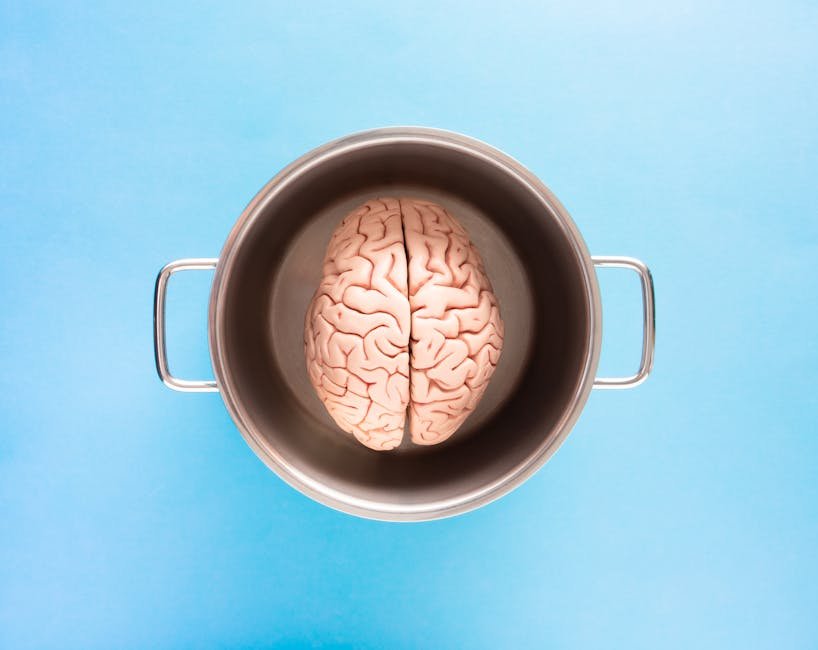
Neuroscientists have often described cognition and emotion as separable processes implemented by different regions of the brain, such as the amygdala for emotion and the prefrontal cortex for cognition. Functional interactions between the amygdala and prefrontal cortex mediate emotional influences on cognitive processes such as decision-making, as well as the cognitive regulation of emotion. This partnership between feeling and thinking is not incidental – it is fundamental to how we process the social world. Decades of research have shown that the amygdala is involved in associating a stimulus with its emotional value. This tradition has been extended in newer work, which has shown that the amygdala is especially important for decision-making, by triggering autonomic responses to emotional stimuli.
The somatic marker hypothesis posits a key role for the ventromedial prefrontal cortex, amygdala, and insula in the ability to utilize emotions to guide decision making and behavior. In plain terms, the brain builds up an internal library of emotional associations with people, situations, and environments. When something feels “off,” that’s often the brain matching a current stimulus to a previously stored emotional pattern. It is noteworthy that individuals mostly make intuitive and quick choices in complex situations. It is also well established that affective processes play an essential role in decision-making under uncertainty and risk. The gut feeling, in other words, often has a neurological address.
Pattern Recognition: The Real Engine Behind Intuition
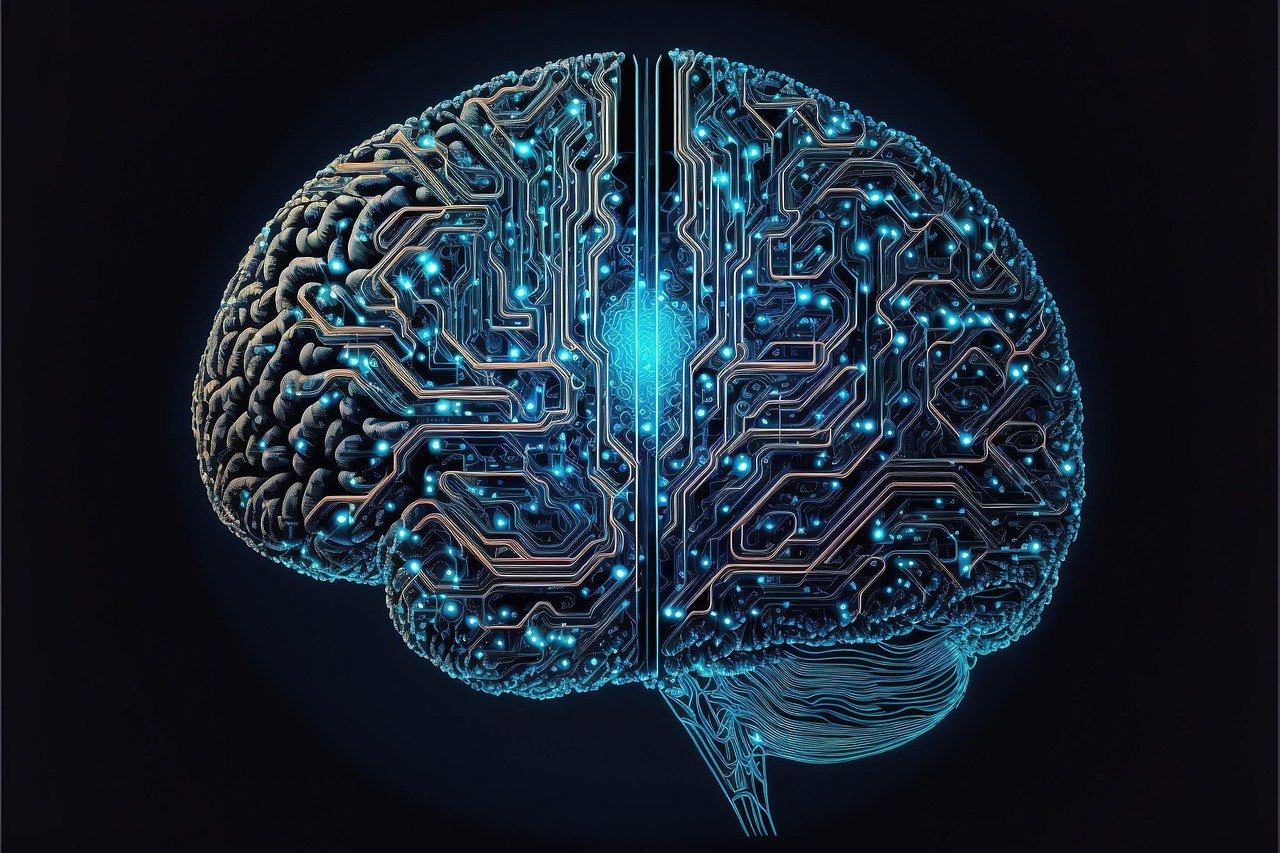
Dual-Process Theory delineates two modes of thinking: System 1, which is fast, intuitive, and automatic; and System 2, which is slow, deliberate, and analytical. Intuition, in this framework, is essentially System 1 at full speed – processing vast amounts of social and environmental data well below the threshold of conscious awareness. Intuition often functions as informed judgment in the context of discovery, guiding individuals from tacit recognition of coherence to explicit insights, possibly highlighting a continuum rather than a dichotomy between nonconscious and conscious processes. While a general consensus exists, it does capture an interesting phenomenological aspect of the experience – that it includes a subjective sense of knowledge, as though facts have been gathered and a decision made, although the actual decision-making process remains hidden from view.
Across psychology, economics, neuroscience, and decision science, researchers have converged on a difficult truth: intuition is indispensable to human judgment, yet systematically unreliable unless it is understood, tested, and disciplined. This is an important nuance. Intuition is not inherently magical, nor is it inherently wrong. Its accuracy depends almost entirely on the quality and depth of the patterns the brain has absorbed over time. While research demonstrated that recognition-based judgment could be effective in stable environments with reliable feedback, separate lines of inquiry revealed that the same pattern-recognition machinery could generate compelling but false narratives – especially in situations involving randomness, small samples, or delayed outcomes. Emotional sensitivity, then, is a tool – and like any tool, its usefulness depends on how it’s wielded.
Confirmation Bias and the Illusion of Psychic Accuracy
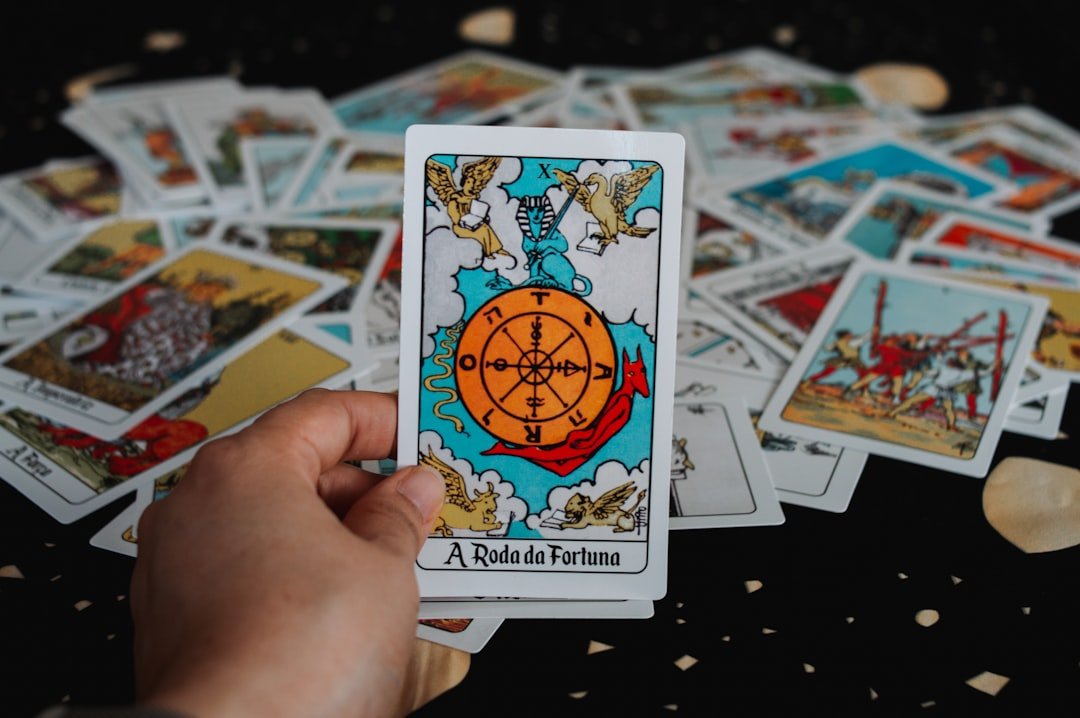
Confirmation bias is the tendency to search for, interpret, favor, and recall information in a way that confirms or supports one’s prior beliefs, values, or decisions. People display this bias when they select information that supports their views, ignoring contrary information, or when they interpret ambiguous evidence as supporting their existing attitudes. This is, frankly, one of the most powerful forces shaping how people experience their own intuition. One factor in the appeal of alleged psychic readings is that listeners apply a confirmation bias which fits statements to their own lives. By making a large number of ambiguous statements in each sitting, opportunities to find a match multiply. This is one of the techniques of cold reading, with which a reading can feel subjectively impressive without any prior information about the subject.
Because of the tendency to think of instances that fit our hypothesis, repeat the hypothesized behavior, interpret mixed evidence as support of our hypothesis, and explain away evidence that does not support it, superstitious intuitions can feel increasingly correct over time – even if there is no logical basis for the belief. This doesn’t mean water sign intuition is always false. It means the feeling of being accurate is not sufficient evidence of being accurate. Confirmation bias is a cognitive bias that allows us to fool ourselves by selectively filtering data and distorting analyses to support favored beliefs or hypotheses. The hits get remembered. The misses fade quietly. That asymmetry shapes everything.
Belief, Culture, and the Growing Appeal of Astrology
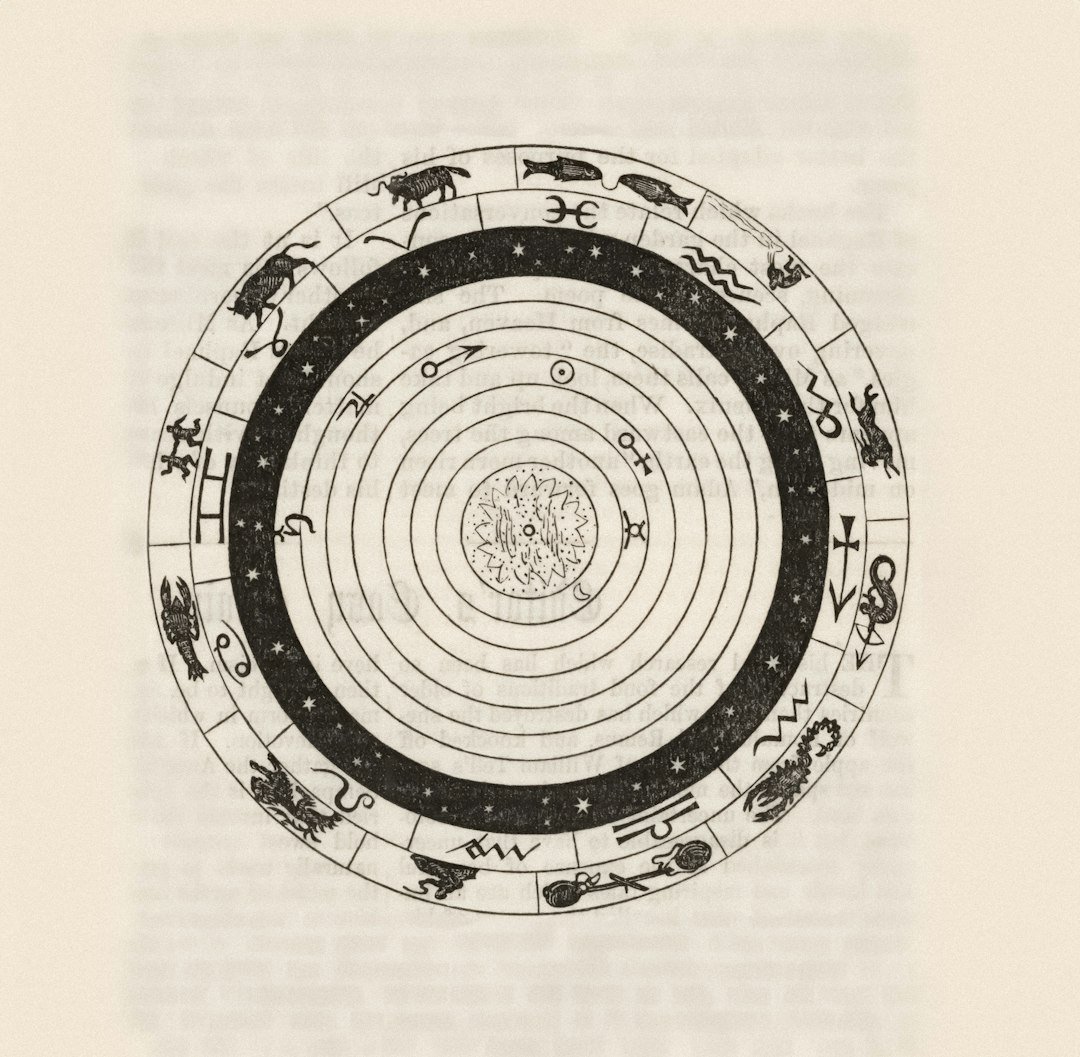
Cognitive biases like confirmation bias and apophenia shape paranormal beliefs, which provide psychological comfort in the face of uncertainty, diminish stress, and encourage emotional resilience. There’s something worth acknowledging here: the frameworks we use to make sense of ourselves are not valueless just because they aren’t scientific. Astrology isn’t fringe anymore. A 2025 Pew Research Center survey found roughly three in ten U.S. adults consult astrology, tarot, or fortune tellers at least once a year, with more than a quarter saying they believe the stars affect people’s lives. That’s a substantial portion of the population seeking meaning in the language of signs and elements.
The cultural persistence of water sign mythology – stretching from Hellenistic astrology to modern TikTok readings – suggests it’s doing something psychologically useful for a lot of people. It offers a vocabulary for emotional complexity in a world that often doesn’t have one. Whether or not Cancer is literally more intuitive because of celestial positioning, there’s real value in a framework that names and validates emotional sensitivity as a strength rather than a liability. Together, the water signs form a psychological cycle that appears both in the zodiac and inside every birth chart. Understanding this cycle allows astrology to move beyond stereotypes and become something much more useful: a map of how emotional intelligence develops and manifests over time. Science may not endorse that map, but it doesn’t have to be a GPS to be useful.
Conclusion: Somewhere Between the Stars and the Synapses
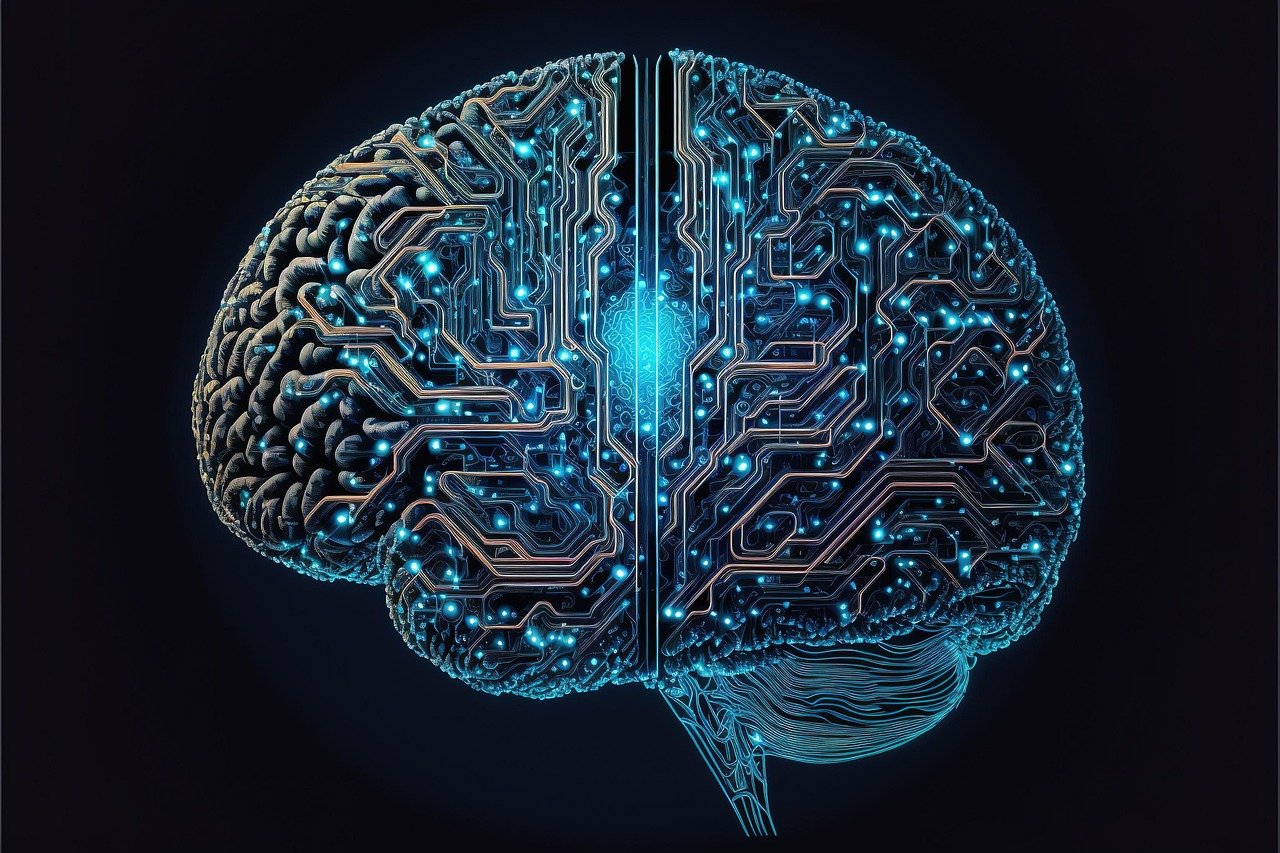
The honest answer to whether water sign intuition is psychic ability or pattern recognition is probably neither a clean yes nor a clean no. The brain science is clear that what we call intuition is real – it’s just not supernatural. In high-stakes settings with incomplete information and time pressure, purely analytical decision models fail, yet intuition alone is insufficient. The most accurate decisions tend to come from people who have trained both their rational and emotional intelligence over many years. People who identify strongly as water signs often do precisely that, whether they frame it in astrological terms or not.
There is no credible scientific evidence that birth date determines personality or that planetary positions influence human behavior. That matters, and it’s worth saying plainly. Still, the qualities consistently attributed to Cancer, Scorpio, and Pisces – emotional attunement, sensitivity to social undercurrents, deep empathy – are genuine psychological traits that appear across all kinds of people. The label may be astrological, but the underlying capacity is deeply human. The most interesting thing about water sign intuition isn’t whether it comes from Neptune or the prefrontal cortex. It’s that so many people have developed a rich, functional inner language for their own emotional perception – and that, regardless of origin, is worth something.