

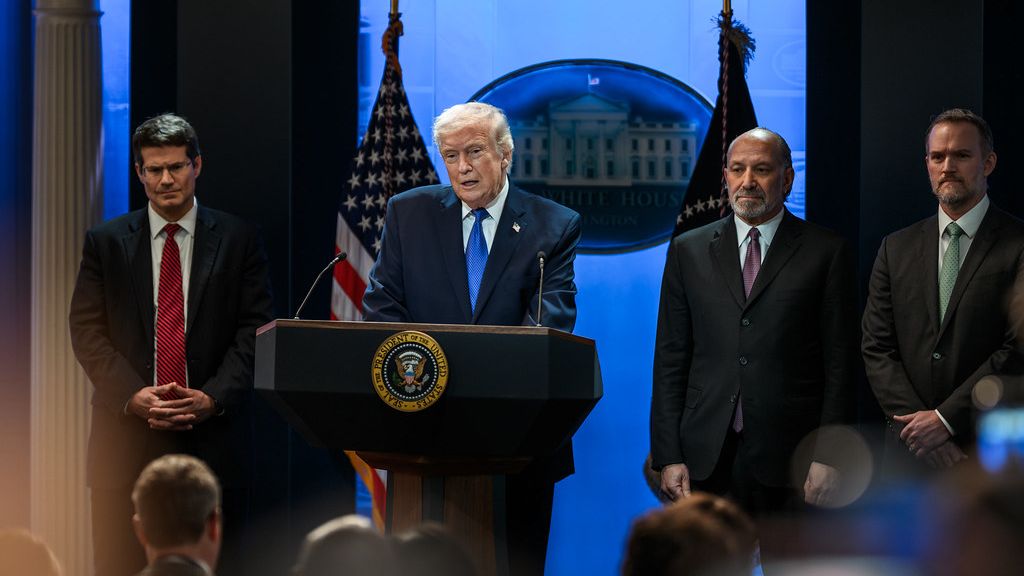
What the Trump administration's latest tariff blow means for businesses – Image for illustrative purposes only (Image credits: Flickr)
A federal trade court issued a ruling this week that struck down a 10 percent tariff in a limited set of cases. The decision provides relief only to importers who can demonstrate they fall within the narrow parameters outlined by the judges. For the broader business community, the outcome means continued exposure to elevated duties on a wide range of imported goods.
The ruling arrives at a time when many companies have already adjusted supply chains and pricing models to account for the tariff. Its restricted application underscores how legal challenges to trade measures often produce incremental rather than sweeping changes.
Understanding the Narrow Parameters of the Decision
The court focused on specific procedural and factual elements tied to the tariff’s application. Only importers who met precise criteria outlined in the challenge received any reprieve from the additional 10 percent duty. This targeted approach means the majority of affected shipments continue to face the full cost increase.
Businesses that import goods outside those exact circumstances must still factor the tariff into their cost structures. The limited scope reflects the court’s emphasis on the particular facts presented rather than a broad invalidation of the underlying policy.
Practical Effects on Importers and Supply Chains
Companies that qualify for relief can now seek refunds or adjustments on duties already paid in qualifying cases. This step may improve cash flow for those importers in the short term. Yet the process requires documentation and verification, adding administrative steps that smaller firms may find burdensome.
Most importers, however, will see no immediate change in their landed costs. They continue to pass along higher expenses through price adjustments or absorb the impact on margins. Supply chain planners must therefore maintain contingency strategies for ongoing tariff exposure.
Retailers and manufacturers reliant on imported components face particular pressure. Their ability to remain competitive depends on whether they can shift sourcing or negotiate better terms with overseas suppliers. The ruling offers little immediate help in those negotiations.
Stakeholders Watching the Outcome Closely
Trade associations representing importers have noted the decision as a partial victory that still leaves significant uncertainty. Legal teams at larger corporations are reviewing whether additional challenges could expand the relief to other product categories or importers.
Smaller businesses without dedicated trade counsel may find the narrow ruling harder to leverage. They often lack the resources to pursue case-by-case exemptions or appeals. Policymakers and industry groups alike are monitoring how the decision influences future tariff enforcement.
Looking Ahead at Legal and Policy Developments
Appeals remain possible, and further litigation could clarify or expand the ruling’s reach over time. Businesses are advised to track court filings and agency guidance for any updates that might affect their operations.
In the meantime, companies continue to evaluate long-term strategies such as diversifying suppliers or investing in domestic alternatives. The ruling serves as a reminder that tariff disputes often unfold gradually through the courts rather than delivering immediate, widespread relief.
What matters now: Importers should audit their shipments against the ruling’s criteria, consult trade counsel on refund eligibility, and maintain flexibility in sourcing plans while the legal process continues.