

Roots in Volatile Family Dynamics (Image Credits: Unsplash)
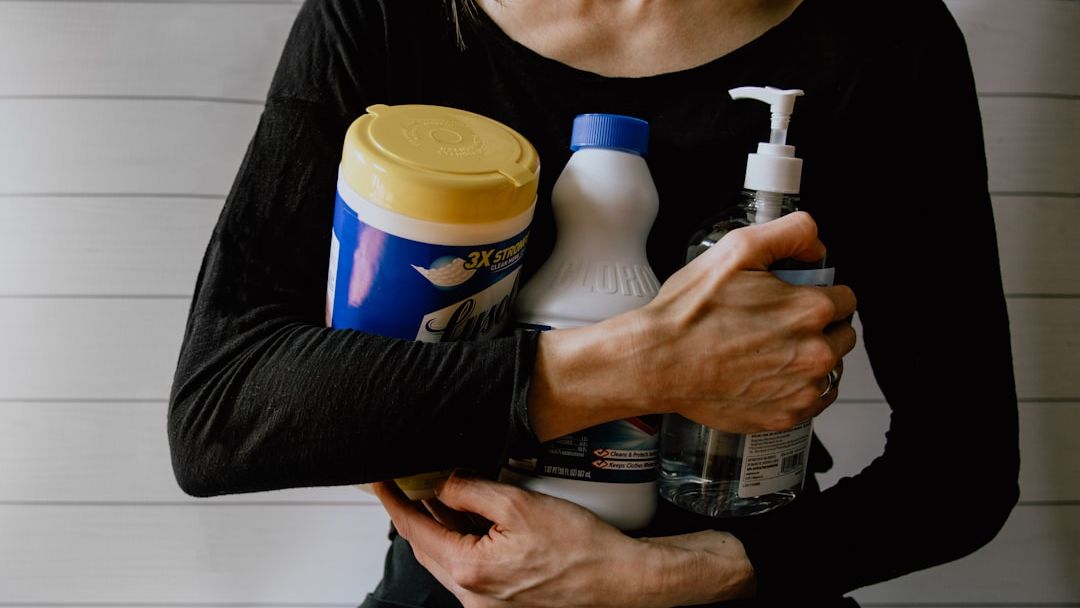
In many households, cabinets brim with duplicate bottles of shampoo, stacks of paper towels, and extra jars of staples like peanut butter. This organized abundance stems not from extravagance or impending doom, but from a deep-seated aversion to scarcity. Adults who maintain such buffers often trace the impulse back to early environments where depleted supplies ignited family tensions. Psychologists link this to survival wiring forged in instability.
Roots in Volatile Family Dynamics
Individuals exhibiting this pattern frequently recall specific incidents from youth. A Sunday evening without toilet paper led to parental frustration with no stores nearby. Breakfast arrived without milk, prompting tears after repeated reminders went unheeded. Mid-dinner dish soap vanished, escalating into arguments over accountability.
These moments rarely hinged on true deprivation. Functional families weather such lapses without fallout. Instead, the empty container served as a spark in already tense atmospheres. Children internalized that household essentials formed a fragile barrier against discord. They equated low stock with impending emotional upheaval, embedding the association early.
The Brain’s Lasting Threat Detection
Early instability reshapes stress responses, as outlined in research on adverse childhood experiences. The brain merges the sight of an emptying bottle with the chaos that ensued, filing them as one threat package. Decades later, a near-empty tube triggers subtle urgency, even absent conscious recall.
This persists because the nervous system continues vigilant scanning, a holdover from scanning for dangers. Studies connect such experiences to heightened adult anxiety and chronic stress. The body enforces an outdated rule: maintain surplus to avert catastrophe. What appears as mere precaution feels essential for equilibrium.
Key Distinctions: Stockpiling vs. Hoarding
– Stockpiling: Organized, rotated, functional spaces; uses items regularly.
– Hoarding: Excessive accumulation, unusable areas, health risks; affects 2-6% of population per OCD Foundation data.
This pattern lacks impairment, focusing on basics deployed practically.
Hypervigilance and Hidden Toll
Those affected maintain an unconscious inventory of supplies – laundry detergent levels, trash bag counts, toothpaste margins. This ambient tracking echoes childhood roles as unofficial monitors, preempting blame. They became silent managers in unreliable systems, a habit that endures.
The burdens extend beyond finances from redundant purchases. Mental energy drains on constant environmental checks, mirroring patterns in those who overanalyze interactions. Relaxation eludes, as home doubles as sentinel. Intergenerationally, it transmits subtly: children observe parental checks, learning scarcity signals alarm.
Shifting from Armor to Normalcy
Forcing reduced stock often backfires, breeding dread until restocking resumes. Effective change targets the root through therapies like cognitive behavioral approaches or somatic methods. These update the nervous system, distinguishing past threats from present safety.
Healing manifests in tolerance: passing half-used soap without tension, delaying paper towel buys. Supplies remain ample for practicality, minus emotional weight. Modeling composure around lows teaches offspring differently. Recognition fosters empathy – over-stockers manage ancient fears, eased by stable present dynamics.
Ultimately, cabinets may hold extras, but the gaze upon them steadies. The pattern yields not to purging, but to a body convinced scarcity no longer explodes.