

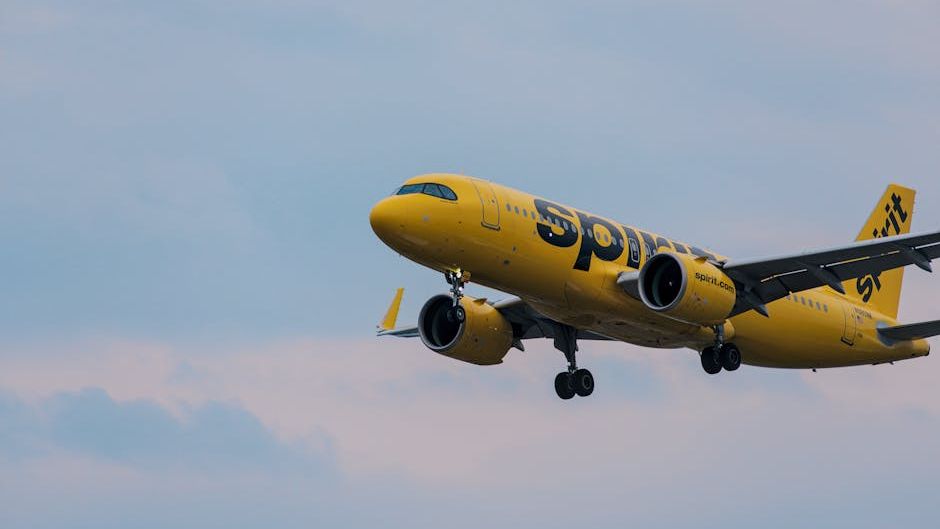
Trump says he’s still considering a taxpayer-funded deal to bail out Spirit Airlines – Image for illustrative purposes only (Image credits: Pexels)
Washington — President Donald Trump revealed Friday that his administration continues to explore a taxpayer-funded intervention to prevent the collapse of Spirit Airlines. The comments came as the low-cost carrier grapples with repeated bankruptcies and soaring jet fuel prices fueled by the Iran war. Trump indicated an announcement could follow within days, emphasizing the need for a favorable outcome for the government.
A Final Push Amid Mounting Pressures
Trump addressed reporters before departing the White House for Florida, underscoring his administration’s ongoing review of options for Spirit. He described the effort as a potential lifeline to preserve jobs at the airline, which has faced skepticism from creditors about its survival. The president noted that officials had extended a final proposal to the company.
“We’re looking at Spirit and if we can help them, we will. But we have to come first,” Trump stated. This stance reflects a cautious approach, prioritizing taxpayer interests in any deal. The remarks build on discussions that have intensified as Spirit’s financial woes deepen.
Spirit’s Prolonged Struggle with Losses
The airline first sought Chapter 11 protection in November 2024, only to file again in August 2025 amid persistent unprofitability. Years of operating losses have eroded its position, even before external shocks exacerbated the challenges. Bright yellow planes became a familiar sight for budget travelers, but viability now hangs in doubt.
Creditors raised alarms last month over Spirit’s capacity to continue operations, given the spike in jet fuel costs. The Iran war has driven up prices across the industry, prompting fears that the carrier might liquidate assets and cease flights entirely. A lawyer for Spirit informed a U.S. Bankruptcy Court last week of advanced negotiations with the government for financing to emerge from protection.
Details of the Floated Government Plan
Trump first raised the possibility last week of a taxpayer-funded takeover, with the government potentially reselling the airline later at a profit. He drew a parallel to a prior arrangement where the U.S. became a major shareholder in Intel, though he stressed differences in the scenarios. Oil price declines, expected once tensions ease, could enable such a turnaround.
The structure remains vague, but the goal centers on stabilizing the carrier without indefinite support. Administration officials aim to craft terms that safeguard public funds while addressing immediate threats. This mirrors broader efforts to shield key sectors from geopolitical fallout.
Divided Views from Labor, Lawmakers
Labor organizations representing Spirit’s pilots and flight attendants have rallied behind the rescue. They contend that the airline’s failure would devastate workers and drive up fares for consumers nationwide. These groups view federal involvement as essential to maintaining competition in the low-fare market.
Opposition spans party lines, with Republican and Democratic lawmakers voicing unease over deploying taxpayer money. Critics argue the aid resembles a bailout for a firm with a track record of underperformance, unlikely to rebound sustainably. Questions persist about long-term accountability and the precedent for other struggling businesses.
| Stakeholder | Position | Key Argument |
|---|---|---|
| Labor Groups | Support | Protects jobs, prevents fare hikes |
| Bipartisan Lawmakers | Oppose | Wastes taxpayer funds on unviable firm |
| Creditors | Skeptical | Doubts ongoing operations amid fuel costs |
Uncertain Path Forward
Trump hinted at a decision as soon as Friday or Saturday, leaving airlines, workers, and investors in limbo. The outcome could influence how the government responds to other sectors hit by fuel volatility. Success might bolster claims of pragmatic intervention; failure could fuel debates on fiscal responsibility.
Spirit’s next court appearances and creditor responses will add layers to the equation. For now, the airline clings to advanced talks as its primary hope. The saga underscores vulnerabilities in aviation amid global conflicts, with ripple effects for travel costs and employment far beyond one carrier.