

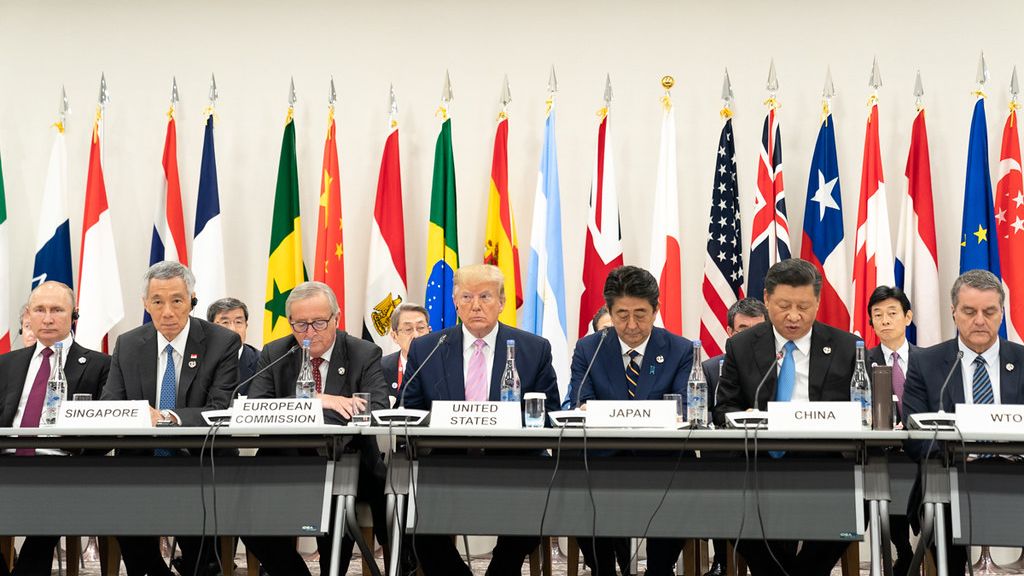
At the Summit – Image for illustrative purposes only (Image credits: Flickr)
President Trump has completed his visit to China, bringing an end to several days of direct talks with senior Chinese officials. The trip focused on bilateral issues that affect both economies and security arrangements across the Pacific. With the final meetings now finished, attention has shifted to how the discussions might influence trade policies and diplomatic channels in the months ahead.
Outcomes That Shape Daily Trade Flows
Business leaders on both sides have noted that even modest agreements reached during the visit could ease certain supply-chain pressures. Companies that rely on cross-border shipments are already reviewing their contracts in light of any new understandings. The practical effect for many exporters and importers will depend on how quickly the commitments are put into action.
Workers in manufacturing hubs have followed the news closely, aware that changes in tariffs or inspection rules can alter hiring plans within weeks. Families connected to those industries often feel the first ripple effects through overtime schedules or inventory adjustments.
Security Topics That Remain on the Table
Discussions also touched on regional stability and technology standards that influence defense planning. Officials described the exchanges as candid, though no final resolutions were announced on the most sensitive points. Follow-up working groups are expected to continue the conversations once the president returns to Washington.
Analysts point out that sustained dialogue on these matters helps prevent sudden escalations that could disrupt shipping lanes or investment decisions. The absence of dramatic breakthroughs does not mean the issues have been set aside.
What Comes Next for Both Governments
Staff from both capitals will now translate the summit notes into concrete steps. Some measures may appear in regulatory updates within the next quarter, while others could require legislative support. Observers will watch for the first public signals in official statements or joint communiqués.
The visit has reminded many that steady, face-to-face contact remains one of the most direct ways to manage differences between the two largest economies. Its conclusion leaves open the possibility of further meetings later this year.