

America’s Debt Is Now Bigger Than the GDP. Does It Matter? – Image for illustrative purposes only (Image credits: upload.wikimedia.org)
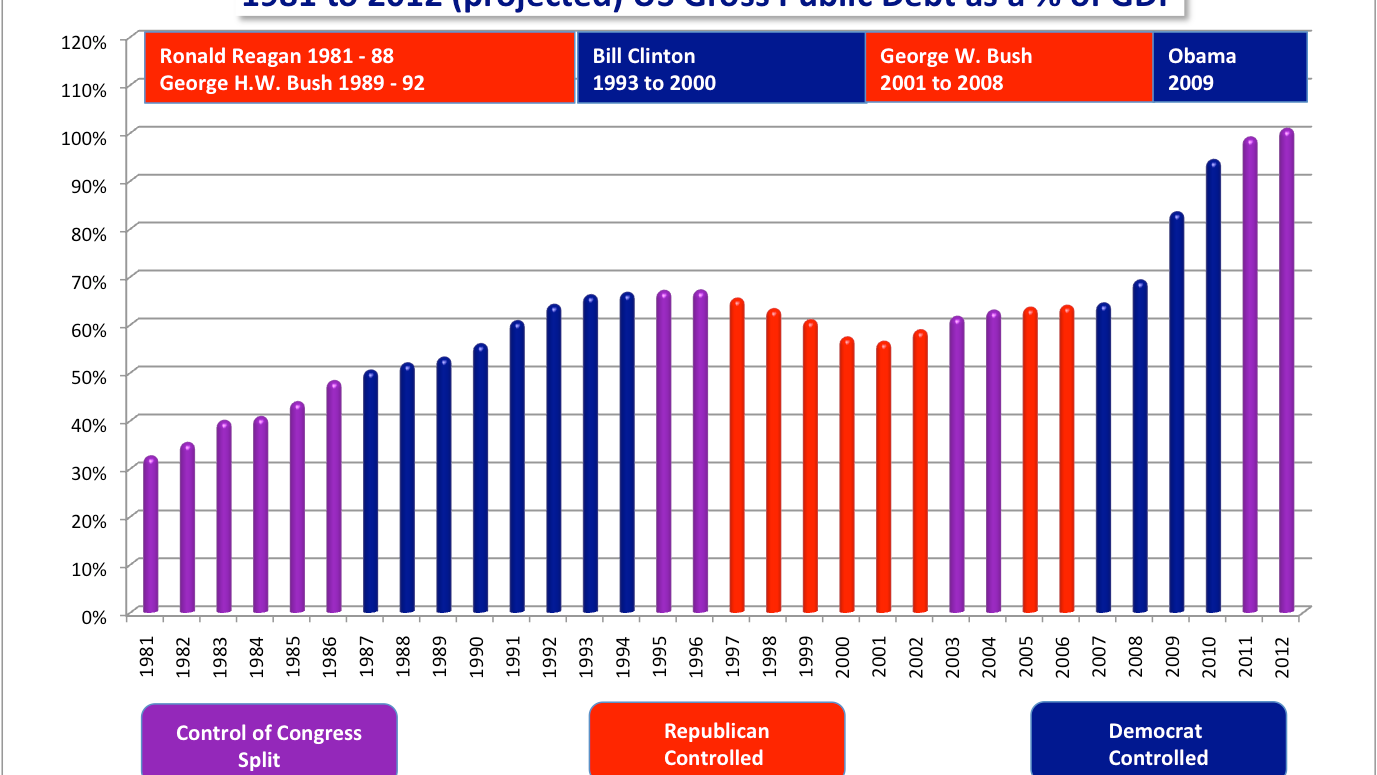
The United States marked a sobering fiscal milestone when federal debt held by the public exceeded the size of the nation’s annual economy. Commerce Department figures released recently showed public debt reaching $31.27 trillion as of March 31, against a nominal gross domestic product of $31.22 trillion for the prior 12 months.[1][2] This development pushed the debt-to-GDP ratio above 100% for the first time since the immediate aftermath of World War II. Fiscal watchdogs now urge policymakers to confront the trajectory before it spirals further.
Crossing a Long-Standing Threshold
Federal debt held by the public climbed past the 100% mark relative to GDP at the end of March. The ratio stood at 99.5% at the close of fiscal 2025 in September.[2] Total gross national debt, which includes intragovernmental holdings, already topped $39 trillion earlier this year, placing it at roughly 120% to 126% of GDP depending on the measure.[1][3]
This benchmark evokes memories of 1946, when the ratio peaked at 106% amid postwar demobilization efforts. Unlike that era’s war-driven borrowing, today’s buildup stems from persistent deficits and structural spending pressures. The Congressional Budget Office had projected the U.S. would eclipse the postwar record by 2030, but recent data accelerated the timeline.
Factors Fueling the Debt Buildup
Spending on entitlement programs like Social Security and Medicare has intensified with an aging population. Interest payments on existing debt have surged, surpassing defense outlays in fiscal 2024 and now consuming about 14% of federal spending.[1] The current fiscal year alone registered a $1.17 trillion shortfall, with annual deficits forecasted near $2 trillion.
These dynamics have compounded over time. Recessions and policy responses, including pandemic-era stimulus, elevated the burden initially. Yet sustained bipartisan choices to expand spending without matching revenues have sustained the climb.
| Period | Debt-to-GDP Ratio (Public Debt) |
|---|---|
| 1946 (Peak) | 106% |
| FY 2025 End | 99.5% |
| March 2026 | 100.2% |
Future Trajectories Raise Red Flags
The Congressional Budget Office outlined stark projections in its February outlook. Debt held by the public is set to reach 108% of GDP by 2030 and climb to 120% by 2036 under baseline assumptions.[3] Deficits remain large by historical standards, totaling $1.9 trillion in fiscal 2026 alone.
Slower economic growth and rising interest costs could exacerbate the trend. Private investment might contract as government borrowing crowds out other uses of capital. Geopolitical tensions add another layer, potentially straining U.S. credibility abroad.
Expert Views: Wake-Up Call or Manageable Risk?
Maya MacGuineas, president of the Committee for a Responsible Federal Budget, described the milestone sharply. “We’ve heard plenty of alarm bells in the past few years about our fiscal path, but this one rings especially loudly,” she stated.[1] She attributed the situation to “a total bipartisan abdication of making hard choices” and warned of eroded prosperity ahead.
MacGuineas highlighted specific dangers: “Rising debt compromises affordability by slowing income growth, pushing up interest rates, and increasing inflationary pressures. Debt squeezes our budgets with massive interest costs.”[2] Stabilizing the ratio would demand roughly $10 trillion in deficit reductions over the coming decade, perhaps targeting deficits below 3% of GDP.
Counterarguments emphasize the dollar’s reserve status and potential growth from pro-business policies. Some administrations have prioritized economic expansion to outpace debt growth. Still, most analysts agree inaction heightens crisis risks.
- Higher interest costs crowd out other priorities.
- Slower income growth and elevated inflation risks.
- Reduced fiscal flexibility for future emergencies.
- Potential for investor confidence erosion.
As debt levels mount, the onus falls on lawmakers to balance revenues and outlays. Recent budget resolutions nod toward restraint, but concrete reforms remain elusive. The path forward hinges on whether this threshold prompts decisive steps or fades into routine fiscal debates.