

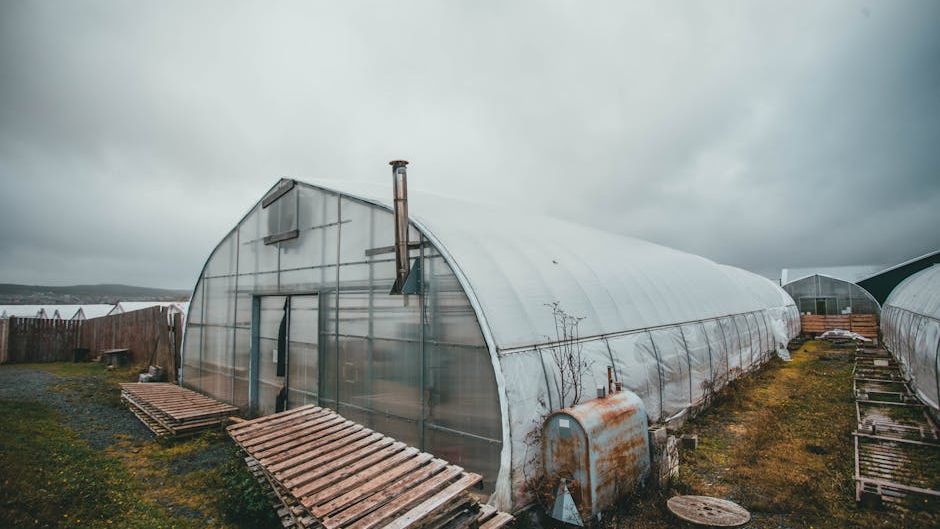
Pennsylvania greenhouse stays warm by storing heat underground – Image for illustrative purposes only (Image credits: Pexels)
Pennsylvania – A greenhouse in the state maintains steady warmth for its plants through the coldest months by drawing on heat captured and stored beneath the ground. The approach relies on a climate battery system that collects excess warmth during milder periods and releases it gradually when outdoor temperatures fall. No fossil fuels are required to keep conditions suitable for growth.
Storing Summer Warmth for Winter Use
The system works by circulating air through a network of pipes buried several feet below the surface. During the day, fans pull warmer air from inside the greenhouse into the ground, where the soil absorbs and holds the heat. At night or during extended cold spells, the process reverses and the stored energy returns to the growing space.
This cycle repeats throughout the year, allowing the greenhouse to operate with minimal external energy input. The soil acts as a natural reservoir, moderating temperature swings that would otherwise stress the plants. Operators report consistent conditions that support steady production even when snow covers the surrounding fields.
Advantages for Plants and Operations
Plants inside the greenhouse experience fewer temperature fluctuations, which reduces stress and supports healthier development. Leafy greens, herbs, and other cool-season crops continue to mature without the interruptions common in unheated structures. The stable environment also lowers the risk of disease outbreaks that thrive in variable conditions.
From an operational standpoint, the absence of fuel purchases cuts ongoing costs. Maintenance focuses mainly on the fans and ductwork rather than combustion equipment. The design aligns with broader efforts to reduce greenhouse gas emissions from agricultural facilities.
Practical Considerations and Next Steps
Installation requires upfront investment in excavation and piping, though the long-term savings in energy can offset those expenses over several seasons. Soil type and local climate influence how effectively the system performs, so site assessments help determine suitability. Some operators combine the climate battery with other passive techniques, such as improved insulation or south-facing orientation, to enhance results.
Researchers continue to monitor performance across different regions to refine the approach. Data from existing installations show reliable temperature control, yet questions remain about scaling the method to larger commercial operations. Continued observation will clarify how widely the technique can be adopted.