
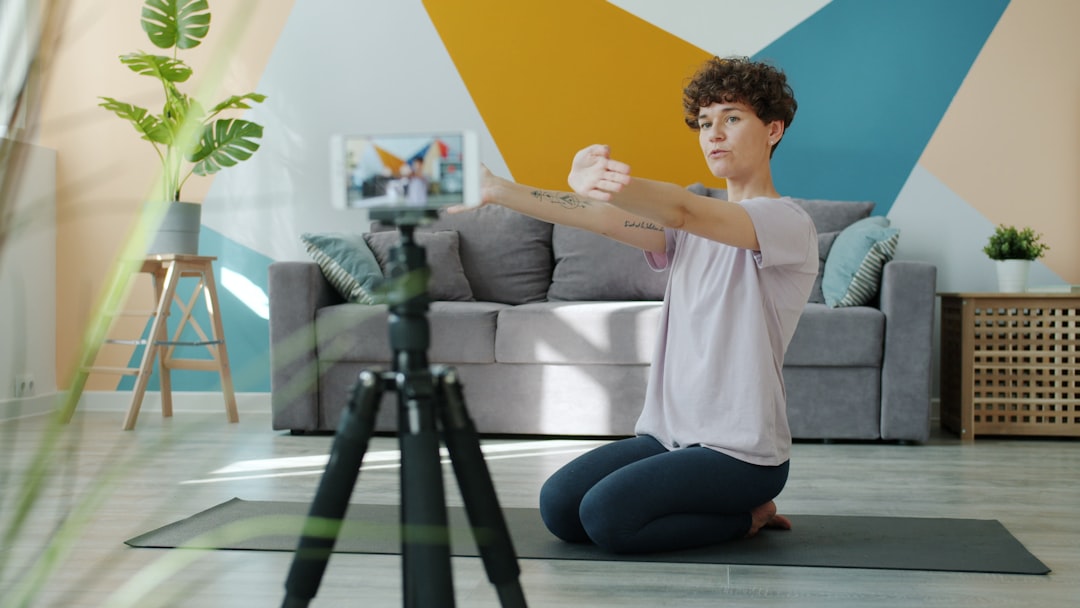
Wellness influencers blur the line between advice and misinformation – Image for illustrative purposes only (Image credits: Unsplash)
Social media continues to amplify voices that position themselves as trusted sources on health and wellness. Many of these accounts describe their creators as health care professionals or experts, even when formal qualifications are absent or overstated. A recent report has documented the extent of these misrepresentations and the risks they pose to followers seeking reliable guidance. The findings arrive during a period of heightened attention from federal health leadership on the broader challenge of online misinformation.
The Rise of Self-Described Wellness Authorities
Platforms such as Instagram, TikTok, and YouTube have made it straightforward for individuals to build large audiences by sharing advice on nutrition, fitness, supplements, and lifestyle changes. Creators often use titles like “health coach,” “wellness expert,” or “functional medicine practitioner” to establish credibility. These labels can attract followers who view the content as authoritative without verifying the underlying training or licensing.
The format of short videos and personal stories adds to the appeal, allowing influencers to present recommendations in accessible, relatable ways. Over time, some accounts expand into paid programs, product endorsements, or consultations that further blur the distinction between casual sharing and professional service. This growth has occurred alongside increased public interest in preventive health measures and alternative approaches.
Key Findings in the New Report
The analysis examined a sample of prominent wellness accounts and found that a substantial portion presented their creators as health care professionals without corresponding credentials. In several cases, individuals referenced medical training or affiliations that could not be confirmed through licensing boards or professional registries. The report notes that such claims can create an impression of expertise that exceeds what the individual is legally or ethically permitted to offer.
Researchers also observed patterns in the type of advice being shared, including recommendations on treatments, diagnostics, and disease management that fall outside standard wellness topics. The study highlights how these practices can contribute to confusion among users who may not distinguish between general lifestyle tips and clinical guidance. No single platform was singled out; the issue appears widespread across major services.
Stakeholders and Practical Consequences
Public health officials, regulatory agencies, and everyday users all have a stake in how wellness content is presented and consumed. Misleading claims can lead individuals to delay evidence-based care or adopt unproven regimens, particularly when influencers promote specific products or protocols. Social media companies face pressure to strengthen verification processes and labeling for health-related accounts.
Government departments responsible for health policy are monitoring these trends as part of wider efforts to address online misinformation. The current leadership at the federal level has emphasized the need for clearer boundaries between personal opinion and professional medical advice. Affected groups include patients who rely on social media for information, licensed practitioners whose authority may be diluted, and platforms seeking to maintain user trust.
- Everyday consumers who encounter unverified recommendations
- State licensing boards that oversee legitimate health professions
- Public health agencies tracking the spread of inaccurate claims
- Platform operators responsible for content moderation policies
Looking Ahead for Regulation and Accountability
Discussions around potential policy responses have focused on improved disclosure requirements and stronger enforcement against false professional claims. Some advocates argue for clearer guidelines that would require influencers to state their actual qualifications when offering health-related content. Others point to existing consumer protection laws as tools that could be applied more consistently in this space.
The report underscores that the line between inspirational wellness content and clinical advice remains difficult to enforce in a fast-moving digital environment. Continued attention from both regulators and platform operators will likely shape how these accounts operate in the coming months. Users are encouraged to cross-check credentials through official sources before acting on specific health recommendations.