

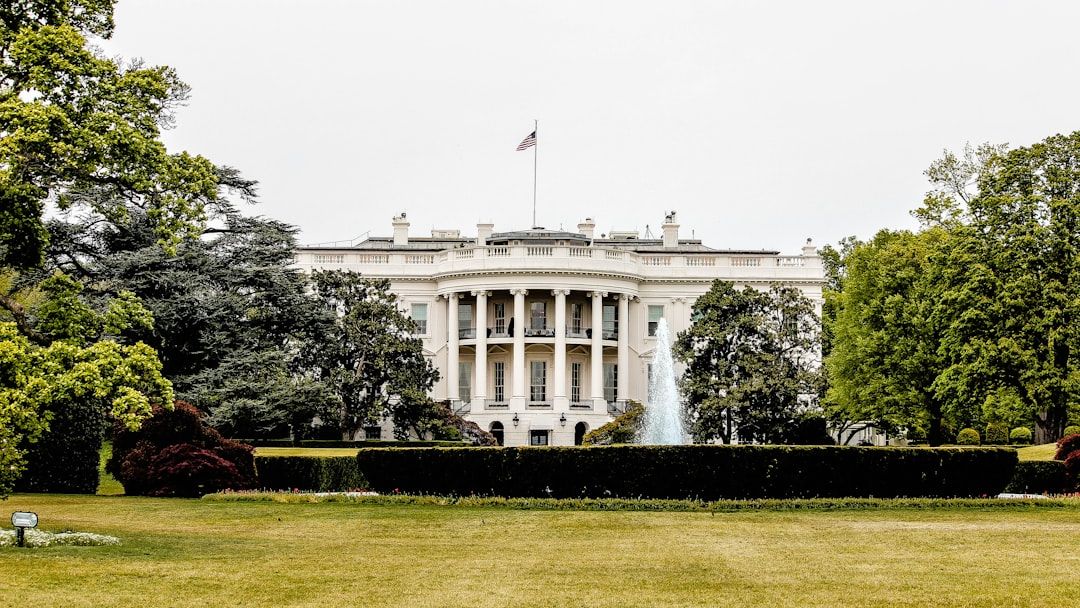
White House Considers Vetting A.I. Models Before They Are Released – Image for illustrative purposes only (Image credits: Unsplash)
Washington — Developers of powerful artificial intelligence models could soon face government scrutiny before making their creations public, marking a potential pivot in federal policy. This approach aims to mitigate risks such as devastating cyberattacks while preserving U.S. leadership in the field. The discussions reflect growing concerns over AI’s dual-use potential in cybersecurity and national defense.[1]
A Sharper Focus on AI Safeguards
The Trump administration has begun weighing an executive order that would establish a working group on artificial intelligence. This body would include technology executives and government representatives tasked with developing oversight mechanisms. Officials shared preliminary ideas during meetings last week with leaders from companies including Anthropic, Google, and OpenAI.[1][2]
Central to these talks is the possibility of a formal review process for new AI models. Such a system would resemble efforts underway in Britain, where multiple agencies ensure compliance with safety benchmarks. The White House seeks to evaluate models for vulnerabilities without halting their deployment, according to those familiar with the deliberations.
The Spark Behind the Policy Rethink
Anthropic’s recent unveiling of its Mythos model accelerated these conversations. Described by the company as capable of sparking a cybersecurity reckoning, Mythos excels at detecting software flaws but remains unreleased to the public. The National Security Agency recently employed it to probe government systems for weaknesses.[1]
Federal leaders worry about the fallout from an AI-fueled cyber incident. They also see opportunities for the Pentagon and intelligence community to harness these tools. Providing agencies early access could enhance defenses and inform strategic decisions, particularly amid tensions like the conflict in Iran.
Navigating Tensions with Industry and Allies
This prospective oversight contrasts with the administration’s earlier stance. President Trump rolled back Biden-era requirements for safety assessments and military-related disclosures upon taking office. He emphasized nurturing AI as a “beautiful baby” essential for competing with China, insisting any rules must surpass the technology’s sophistication.[1]
Tech firms express mixed views. Executives caution that heavy-handed measures might hinder innovation against global rivals. Yet divisions persist within the sector on optimal regulation paths. A former administration adviser noted the challenge of keeping pace with rapid advancements without stifling progress.
Key Players and Possible Structures
Leadership shifts have influenced the direction. David Sacks departed as AI czar in March, with Chief of Staff Susie Wiles and Treasury Secretary Scott Bessent now guiding efforts. They recently hosted Anthropic CEO Dario Amodei in a meeting both sides called productive, amid a Pentagon dispute over a terminated $200 million contract.[1]
The working group might designate reviewers such as:
- The National Security Agency
- The White House Office of the National Cyber Director
- The director of national intelligence
Discussions also touch on reviving elements of the Biden-created Center for AI Standards and Innovation, though it has languished under current leadership. Vice President JD Vance previously warned against overregulation that could derail a nascent industry.
What Lies Ahead for AI Governance
A White House spokesperson described reports of an imminent executive order as speculation, noting President Trump would announce any decisions personally. The evolving stance underscores the technology’s high stakes for security and economy. As models grow more potent, the balance between unchecked growth and prudent review will shape America’s technological edge and its citizens’ safety.[1]