

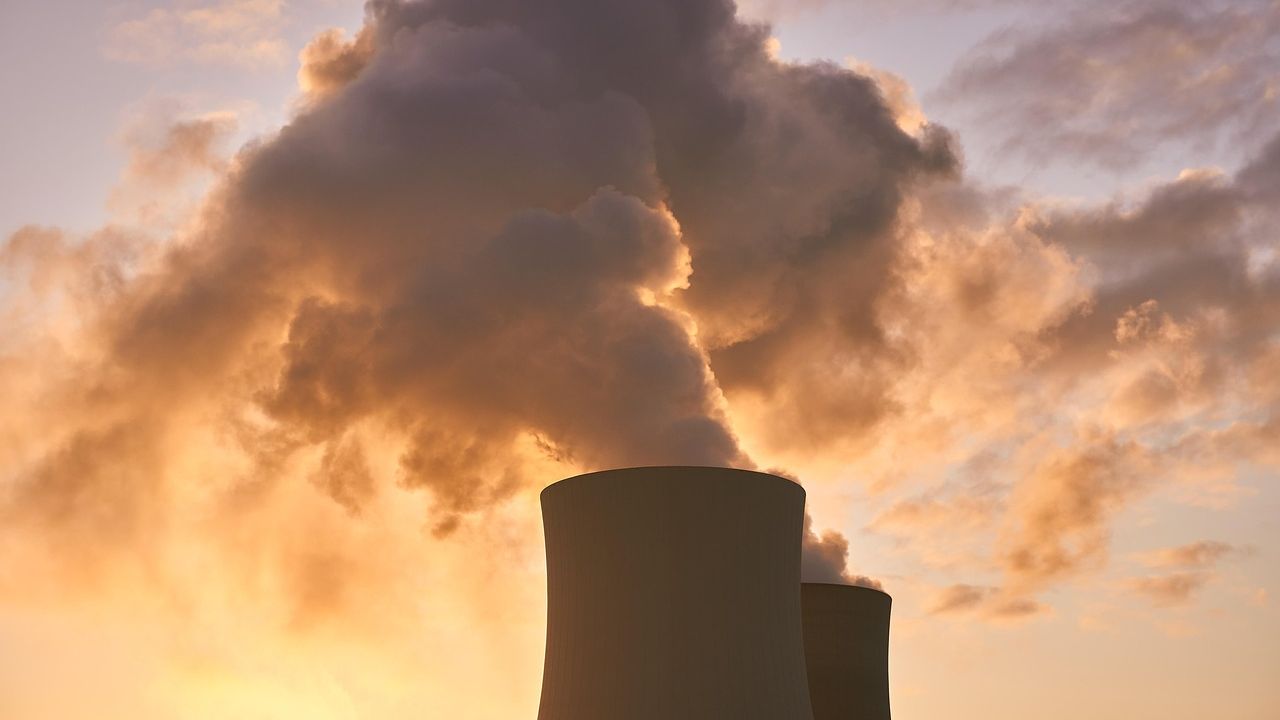
X-energy gets federal environmental approval for Texas nuclear reactors – Image for illustrative purposes only (Image credits: Pixabay)
The Nuclear Regulatory Commission has completed its environmental review for X-Energy’s proposed high-temperature gas-cooled reactors in Texas. This step brings the Amazon-backed company closer to the permits needed for construction of its first commercial plant. The decision arrives at a time when utilities and technology firms are exploring advanced nuclear designs to support steady, low-carbon electricity supplies. While the review addresses potential environmental effects, it does not yet authorize groundbreaking.
Why the Review Matters for Clean-Energy Goals
Advanced reactors like those planned by X-Energy operate at higher temperatures than conventional designs, which can improve efficiency and open new uses such as industrial heat. The environmental assessment examined impacts on air, water, and local ecosystems around the Texas site. Regulators concluded that the project could proceed with standard mitigation measures. This outcome reflects broader interest in nuclear options that avoid the intermittency challenges of some renewable sources.
Still, the approval covers only one phase of the licensing process. Full construction permits require additional safety and technical reviews that remain underway. Observers note that such incremental clearances help maintain momentum for projects that often span many years from concept to operation.
Company Background and Technology Focus
X-Energy has positioned itself as a developer of smaller, factory-built reactors intended to reduce construction timelines compared with large traditional plants. Its design draws on earlier high-temperature gas-cooled concepts that the United States explored decades ago but largely set aside. The Texas facility would serve as the first demonstration of this approach at commercial scale. Amazon’s investment has provided capital and a potential customer base interested in reliable carbon-free power for data centers and other operations.
The company has emphasized safety features built into the reactor’s fuel and cooling systems. These elements were part of the information reviewed during the environmental process. Details on exact site location, power output, and timeline have not been finalized in public documents released so far.
Regulatory Path Ahead
With the environmental review complete, X-Energy can now focus on remaining technical submissions to the Nuclear Regulatory Commission. The agency typically evaluates design certification, combined operating licenses, and site-specific safety analyses in sequence. Each stage includes opportunities for public comment and independent expert scrutiny. Timelines for these steps vary, and delays are common in nuclear licensing.
State-level permits and grid interconnection agreements will also be required before any reactors can generate electricity. Texas officials have expressed general support for new energy infrastructure, yet specific approvals for this project have not been detailed publicly. Coordination between federal and state processes will determine how quickly construction could begin.
Broader Context for Advanced Nuclear Development
Interest in high-temperature gas reactors has grown as policymakers seek firm, dispatchable power sources that complement variable renewables. Several other companies are pursuing similar or alternative advanced designs, creating a competitive landscape for demonstration projects. Success at the Texas site could influence investor confidence and regulatory familiarity with these technologies. At the same time, historical experience shows that first-of-a-kind nuclear builds often encounter cost and schedule overruns.
The current approval therefore represents measured progress rather than a guarantee of rapid deployment. Continued transparency on costs, waste management, and supply-chain readiness will shape how widely these reactors are adopted in the coming decade.