
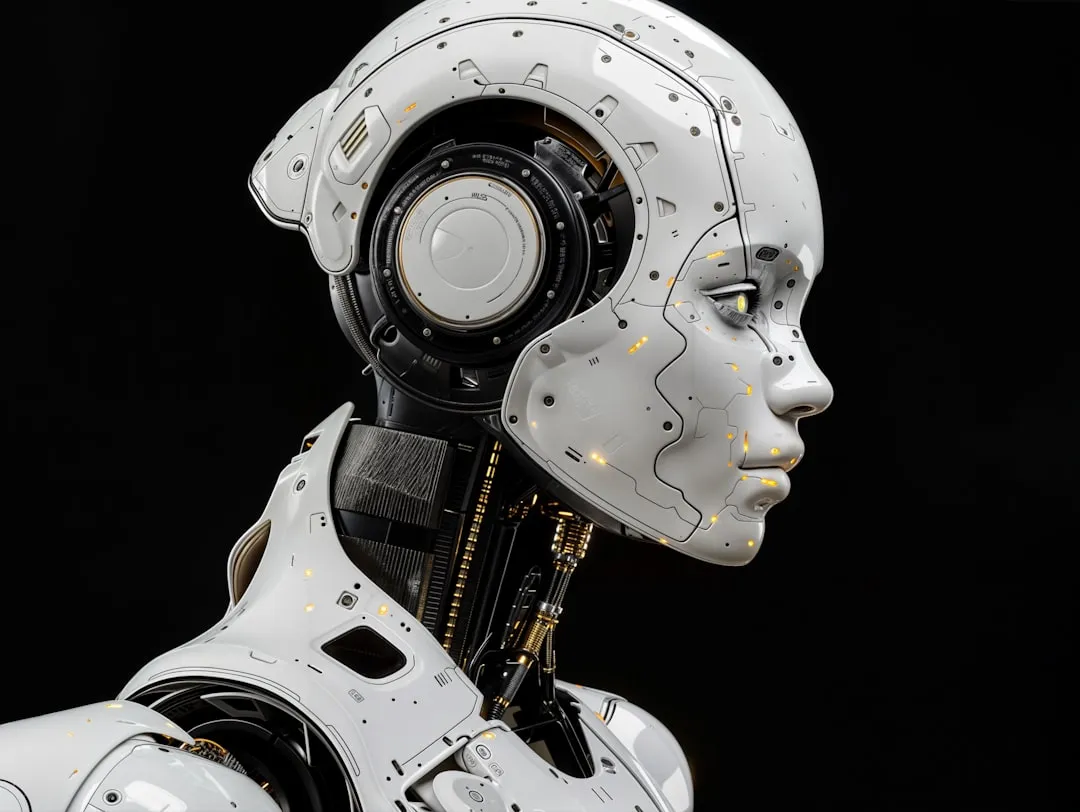

Getting a person to Mars is hard enough. Keeping them alive when something goes wrong surgically, hundreds of millions of miles from the nearest hospital, is a problem that has quietly been keeping medical engineers and space agencies awake for years. It’s not a hypothetical. A crew member could rupture an appendix, suffer a serious internal bleed, or sustain a traumatic injury at any point during a mission that could last well over a year.
The solutions emerging from research labs and the International Space Station are starting to look less like science fiction and more like working prototypes. What follows is a closer look at the key chapters in this story: the technology, the obstacles, and what the progress made between 2024 and 2026 actually means.
SpaceMIRA: The Robot That Changed the Conversation
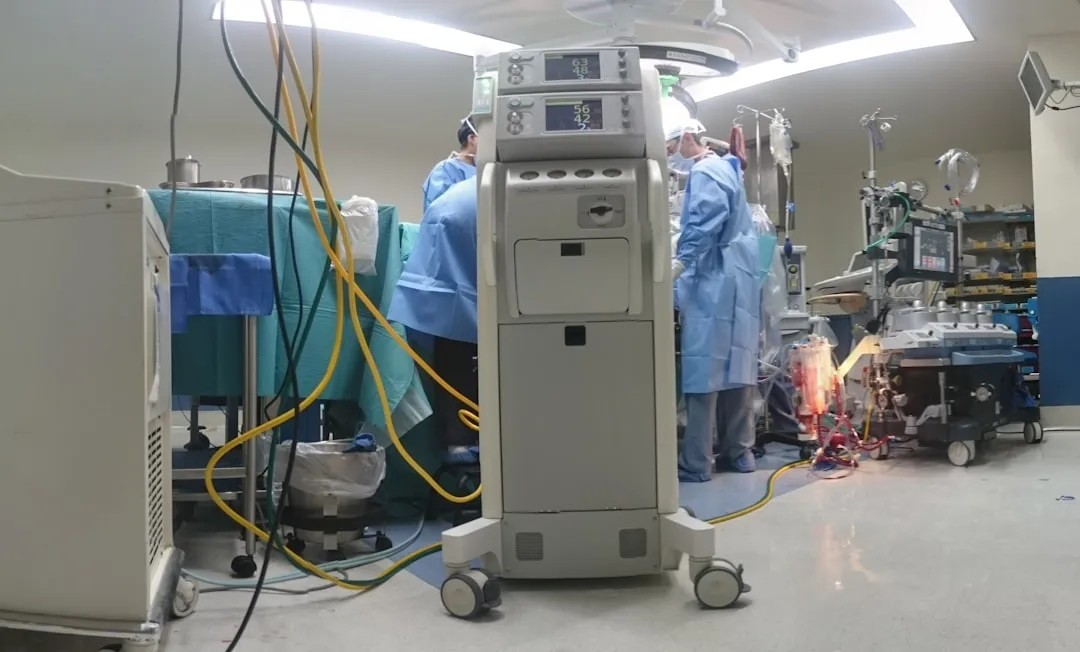
A tiny surgical robot called spaceMIRA completed its first surgery demonstration in zero gravity aboard the International Space Station in February 2024, remotely operated by surgeons from approximately 250 miles below in Lincoln, Nebraska. The robot weighs about 2 pounds, which tells you a lot about how compactly this technology has been designed. The device, named the Miniaturized In Vivo Robotic Assistant, is similar to its terrestrial counterpart MIRA, an autonomous robot gripper developed by Virtual Incision Corporation in collaboration with the University of Nebraska-Lincoln.
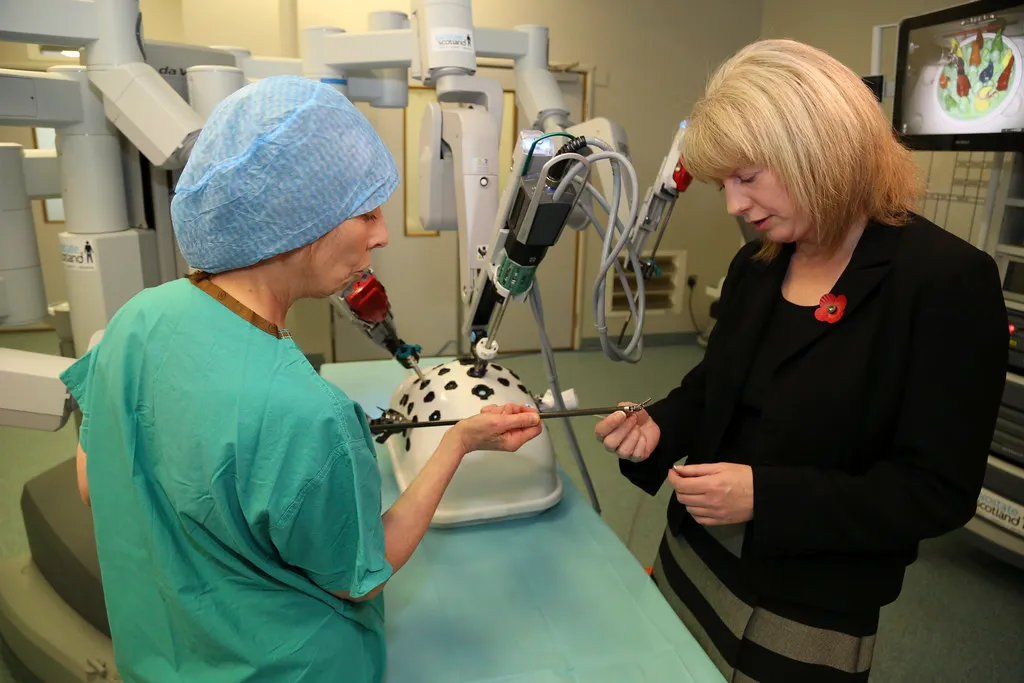
The robot uses its left arm to grasp and its right arm to cut, much like a human surgeon in a hospital operating room. The symmetry with conventional surgical technique is deliberate. Making the system intuitive for practicing surgeons means a shorter learning curve and a more realistic path toward clinical use, whether in space or on the ground.
What the ISS Experiments Actually Tested
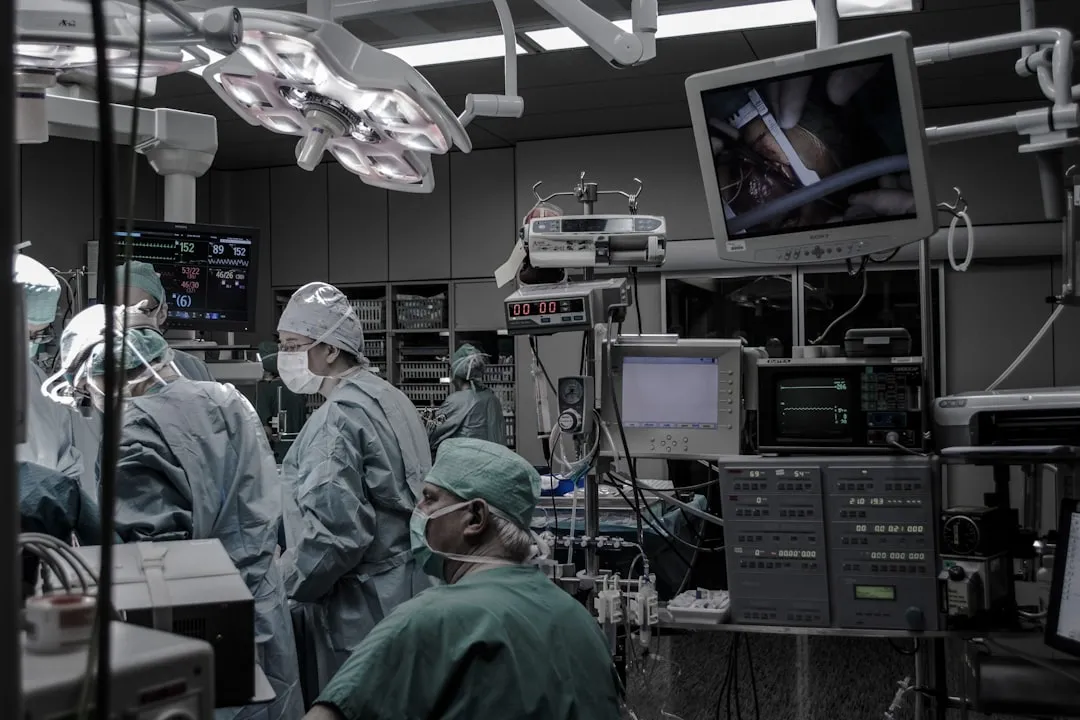
Researchers successfully completed the first remote, zero-gravity surgical procedure aboard the International Space Station, with surgeons based at the University of Nebraska spending two hours testing out the small robotic arm aboard the ISS as it orbited roughly 250 miles above their heads. The experiment utilized rubber bands to simulate human skin during its proof-of-concept demonstration.
NASA evaluated whether the miniature robotic system could perform surgical tasks in microgravity, using rubber bands to simulate surgical tasks, allowing researchers to observe communication delays from Earth and test robotic precision in space during remote operations. Results showed that while timing delays increased the duration of procedures, they had minimal impact on robotic accuracy. That last finding is significant. It means the precision of the robot’s movements held up even when the signals controlling them were slightly delayed.
The Size Problem: Why Compact Robots Matter in Space
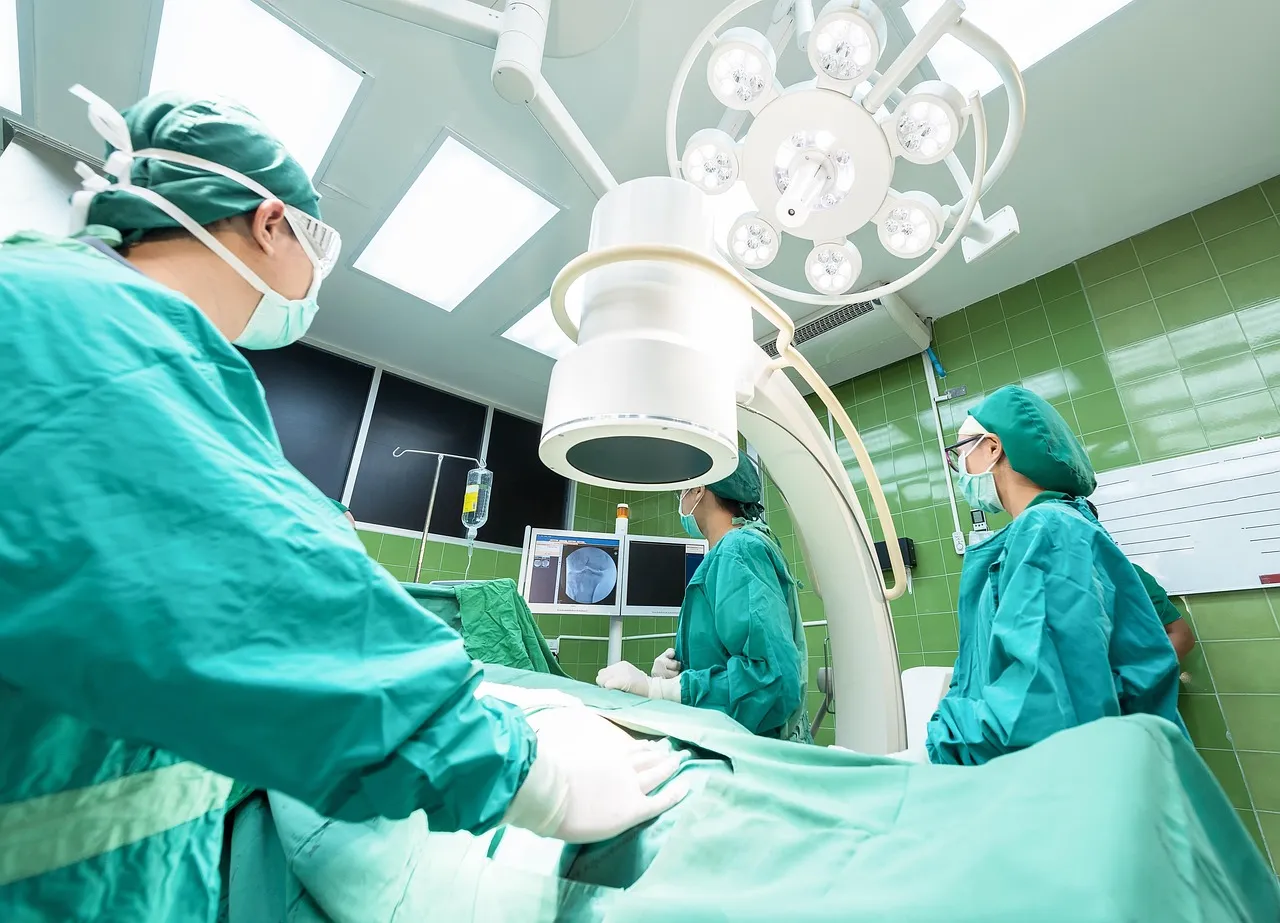
SpaceMIRA is 3 inches shorter than its counterpart designed for use on Earth to accommodate spaceflight constraints, but it has the same form and function. Since only limited space is available on the International Space Station, it may be difficult to make room for a medical crew member, and the same dilemma could be encountered on long-term missions to the Moon or Mars.
Although these miniaturized devices could be perfect for spacecraft conceived for long-duration missions, which are inaccessible to the bulky surgical robots currently in use on Earth, it is worth emphasizing that studies of any type of intelligent robot are still in their infancy, and presently no surgical robot is capable of full autonomy. That caveat matters. The current generation of space surgical robots relies on human remote control, not independent decision-making.
The Signal Delay Problem: Earth to Mars Is Not Like Earth to ISS
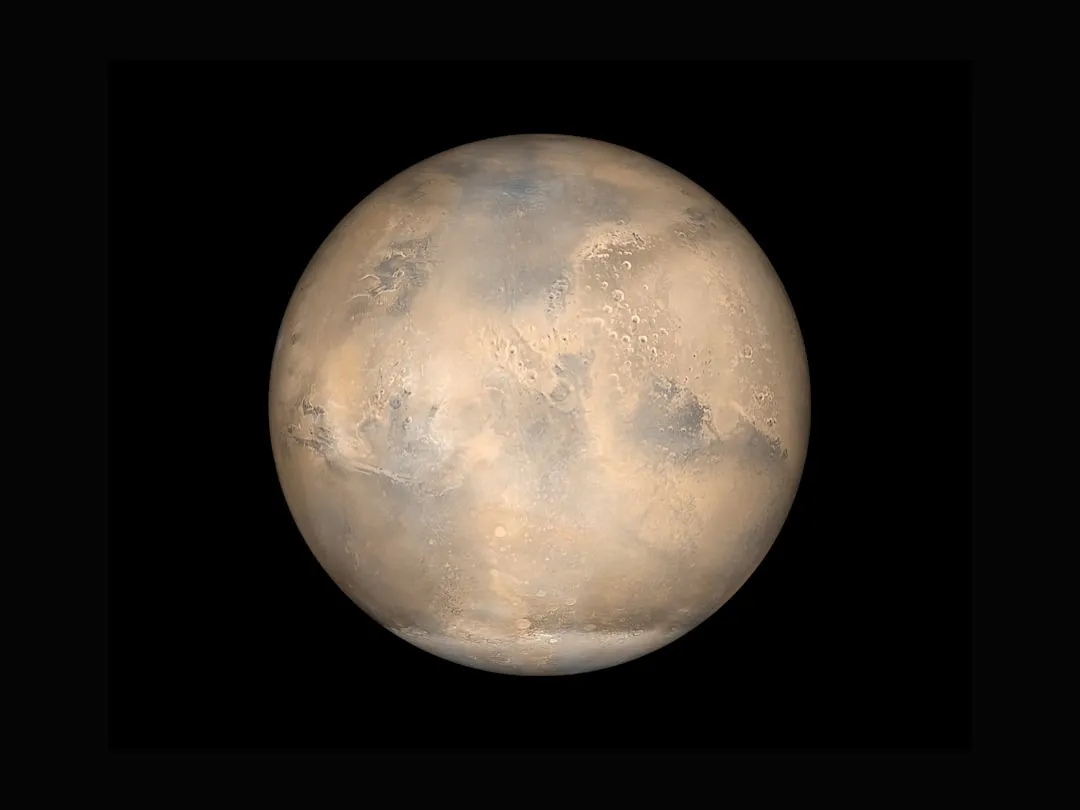
While researchers deemed the ISS experiment a success, surgeons noted the difficulty in accounting for lag time. Communications between Earth and the ISS are delayed about 0.85 seconds, and while a minor inconvenience in most circumstances, even milliseconds can mean a matter of life or death during certain medical emergencies. Once on the Moon, Artemis astronauts will deal with a full 1.3 seconds of delay, while on Mars, the first human explorers will face a full hour of waiting after sending a message, then waiting for a response.
Research into telesurgery delays has found that communication delays may be acceptable if 100 milliseconds or less, though experienced surgeons with more than 100 milliseconds of delay could still outperform less-experienced surgeons without delay. A one-way delay of up to 24 minutes on Mars puts remote control from Earth completely out of the picture. This is the central engineering challenge that makes autonomous or semi-autonomous surgical robots not just useful, but essential.
Why Mars Missions Cannot Rely on a Return to Earth

Astronaut health, both during long-term spaceflights and on another planet, is one of the topics under active study. Policies of a rapid return to Earth, currently adopted on the ISS in low Earth orbit, can no longer be the chosen option as growing distances from Earth will make any kind of ground support impossible. The design concept for missions to Mars corresponds to a six-person crew conducting a 900-day mission.
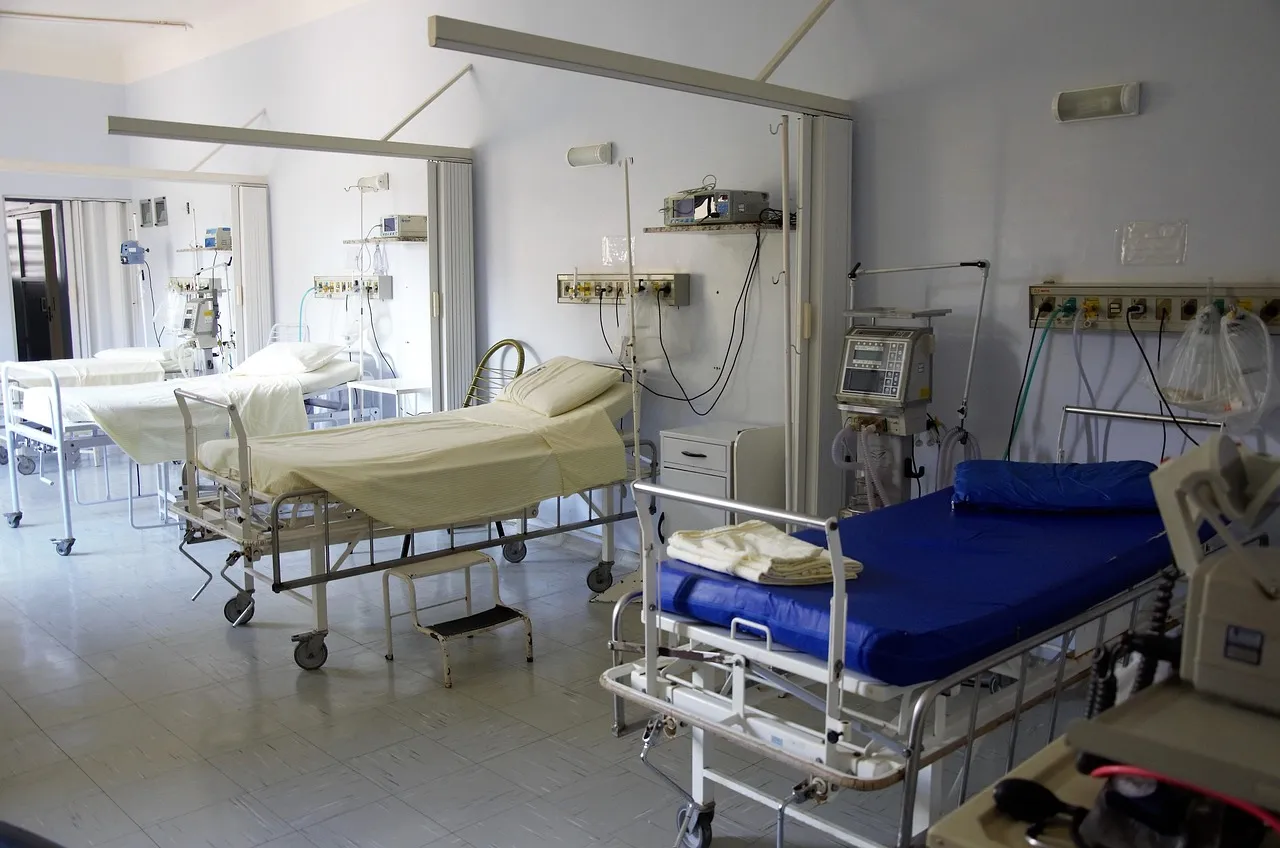
Injuries are inevitable, but that fact gets complicated when the nearest hospital is a seven-month, 300-million-mile journey away. Even if an incredibly skilled doctor is among the first people to step foot on Mars, they cannot be trained to handle every possible emergency. That reasoning is what drives the push toward robotic systems that can step in where human expertise has its limits.
How Microgravity Changes the Biology of Surgery
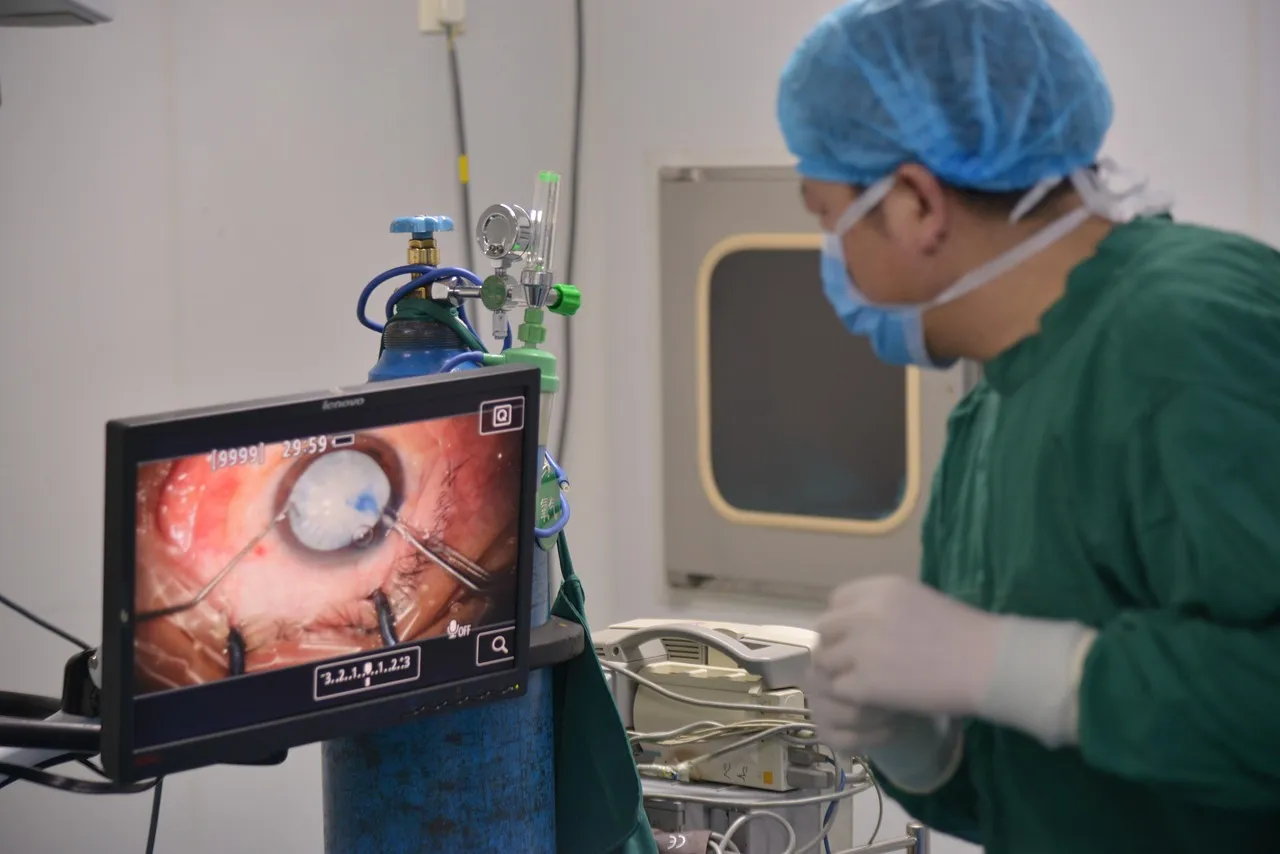
In microgravity, the high surface tension of blood promotes the formation of large fluid domes that tend to adhere to the wound. The use of sponges and suction will be adequate to prevent cabin atmosphere contamination with most bleeding, with the exception of temporary arterial droplet streams. Standard tools like syringes, scalpels, and suction devices are difficult to use in microgravity, and fluids and debris do not behave predictably, requiring specially designed tools to perform even simple tasks.
Microgravity can decrease total circulating plasma and blood volume within the first 24 hours, reducing overall tissue perfusion and oxygenation, and lack of oxygen is especially detrimental for wound healing. Previous studies have shown that wound healing is slowed down and impaired in space due to the unloading related to the microgravity environment. The combined effects of different stressors of spaceflight, including isolation, a hostile environment, and ionising radiation, can further increase susceptibility to infection and delayed wound healing.
Robotic Surgery as the Containment Solution
Robotic surgery can represent the best option during an exploratory spaceflight far from Earth, as it allows the separation of internal body parts from the external room, enabling the containment of body fluids inside the abdominal or thoracic cavity. This is a practical point that often gets overlooked in the bigger-picture coverage: it’s not just about precision, it’s about keeping a messy biological event contained in a sealed environment.
Depending on the distances between the spacecraft and the ground control center, different telepresence technologies may provide the best performance, including telesurgery, image-guided surgery, and cooperatively controlled surgical robotics. Pre- and intraoperative imaging and physiological data collection would supply the surgical robot with information to gain more autonomy, a future target of both Earth and space research.
Six Surgeons, One Robot, and a Real Milestone
It wasn’t just one expert surgeon involved in the ISS experiment; it was a group of surgeons who were able to perform the telesurgery. There was some penalty of communication lag, but all six surgeons were able to accomplish their tasks as required. That detail is easy to gloss over, but it carries practical weight. If the technology only works in the hands of a single specialist, it’s far less deployable than a system that multiple trained surgeons can operate effectively.
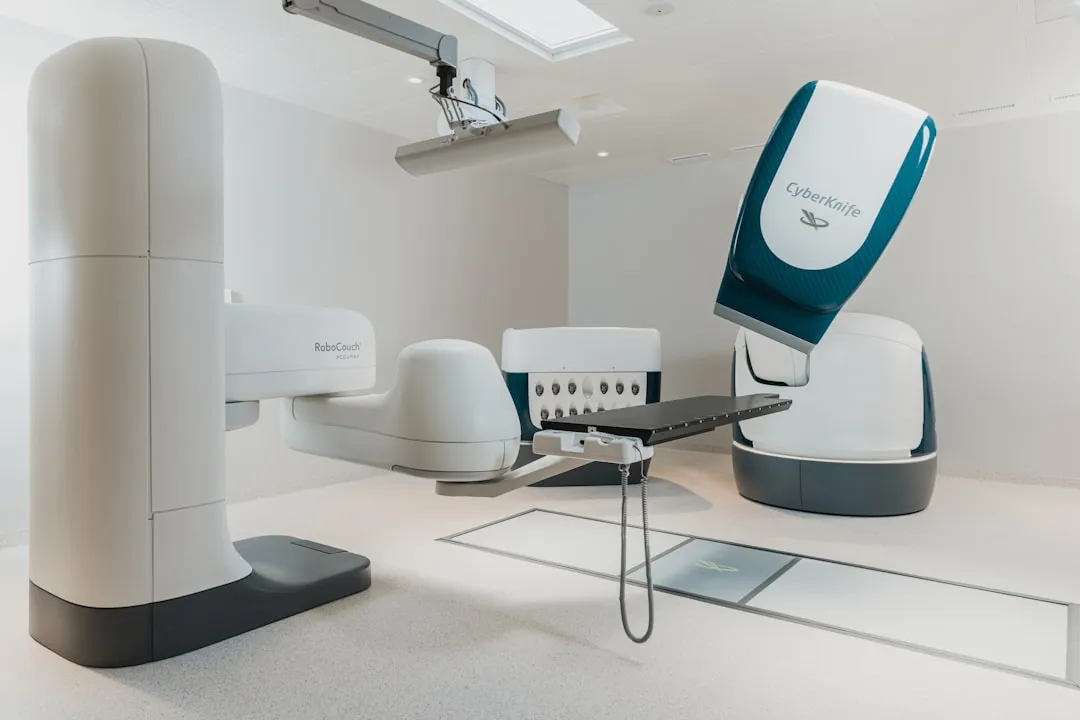
NASA confirmed that this research demonstrates that precise surgical procedures could one day be performed in space, including at a future lunar base or on Mars. Robotic surgery also offers a compact, reliable option for performing medical procedures in remote places on Earth. The dual-use nature of the research is worth noting: what works for a Mars mission could also serve underserved communities on this planet.
The Bigger NASA Picture in 2025 and 2026
Scientists published findings in peer-reviewed journals in 2025 on topics including robotic telesurgery in space and how spaceflight affects stem cells, advancing understanding of human physiology in space and on Earth. In 2025, researchers using the orbital laboratory conducted more than 750 investigations that advanced understanding of life in space, drove innovations to benefit people on Earth, and supported NASA’s exploration of the Moon and Mars.
As part of its exploration push, NASA and its partners advanced a variety of medical and technological experiments for long-duration space missions, including hand-held X-ray equipment and navigation capabilities. Researchers also 3D-printed medical implants with potential to support nerve repair and researched the production of medical components with increased stability and biocompatibility that could improve medication delivery. The surgical robot work sits within a much broader ecosystem of space medicine development that is accelerating year by year.
What Still Needs to Be Solved Before a Surgeon Robot Flies to Mars
The near-term mission for MIRA is not learning to perform surgery automatically, but being able to operate correctly in zero-gravity conditions. Researchers hope it will eventually be able to automatically perform life-saving medical procedures on astronauts who might be suffering from a ruptured appendix on a trip to Mars. The word “eventually” is doing a lot of heavy lifting there, and the timeline remains genuinely uncertain.
A careful definition is still needed of what tasks a surgical smart robot should be allowed to perform, surgery being a peculiarity of humans not only for its technical complexity but also for all the legislative and moral aspects. One of the primary challenges remains communication delay, which introduces temporal lag that disrupts synchronization among the surgeon’s hand movements, the robotic arm’s response, and the visual feedback received by the surgeon, ultimately impairing operability. Solving that problem at interplanetary distances may require giving the robot a meaningful degree of autonomous judgment, a prospect that raises as many ethical questions as engineering ones.
Conclusion: A Long Road, But the Direction Is Clear
The February 2024 ISS experiment was not a finished product. It was a proof of concept, a deliberate and carefully bounded first step. The gap between cutting a rubber band in orbit and autonomously performing emergency abdominal surgery on a Mars-bound crew member is enormous. Nobody in this field pretends otherwise.
What is changing, though, is the pace and seriousness of the effort. The milestone is a step forward in developing technology that could have implications not just for successful long-term human space travel, where surgical emergencies could happen, but also for establishing access to medical care in remote areas on Earth. The fact that this research serves two urgent purposes simultaneously, one pointing outward to the planets and one aimed back at underserved communities at home, gives it unusual staying power as a funding and research priority.
Mars is still years away. The robots preparing for that journey are, for now, practicing on rubber bands in orbit. That may sound modest, but every reliable technology started somewhere equally unglamorous, and the distance being crossed here is measured in far more than miles.