

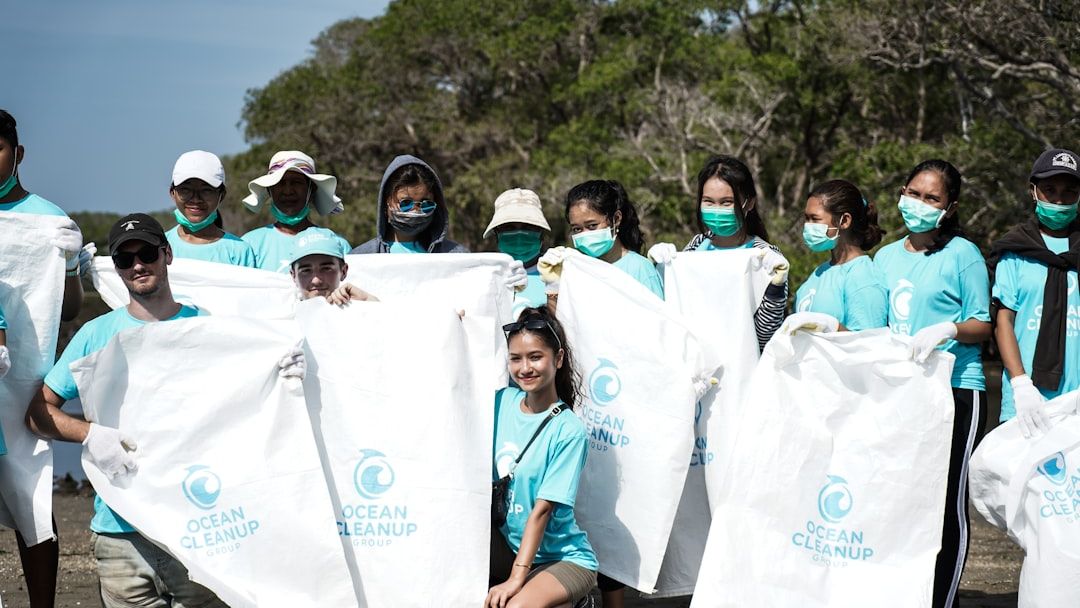
How an army of volunteers is fighting climate misinformation online – Image for illustrative purposes only (Image credits: Unsplash)
As social media feeds brim with alarming falsehoods about climate change, many users feel overwhelmed or isolated in their concerns. These misleading posts, often shared for emotional impact, erode public understanding and delay action on pressing environmental threats. A growing network of everyday people has emerged to counter this tide, focusing on elevation rather than confrontation.[1]
The Growing Challenge of Online Climate Myths
Misinformation about climate science proliferates across platforms like Facebook, Instagram, and YouTube, where emotionally charged content spreads rapidly. Bad actors exploit this environment to sow confusion, while well-meaning shares amplify the noise. Jennifer McCharen of the Sierra Club observed that people frequently pass along exciting but untruthful information, leading to widespread doubt or despair.[1]
This digital deluge affects real lives. Half of U.S. adults turn to social media for news, and 77 percent view it as effective for raising awareness on issues like climate. Yet without intervention, false narratives dominate, making it harder for accurate information to break through.[2]
Climate Truth-Tellers: A Grassroots Response
The Sierra Club’s Climate Truth-Tellers program coordinates more than 1,300 volunteers dedicated to promoting factual content. McCharen leads the effort, rallying participants to engage thoughtfully rather than debate endlessly. Volunteers receive two or three vetted social media posts each week via email and a WhatsApp group.[1][3]
These individuals, from diverse backgrounds, share why climate issues matter in their communities. Their comments highlight personal stories, fostering connection and visibility. The approach empowers ordinary users to contribute meaningfully without needing expertise.[2]
Why Amplification Beats Argument
Traditional responses to trolls often backfire, fueling more division. Climate Truth-Tellers sidestep this by ignoring intentional provocateurs and posting positive, standalone remarks. Guidelines stress respect: debunk accidental errors politely, but focus on uplifting truth.[4]
Research underscores repetition’s power – people need to encounter information three times to retain it. Volunteers help achieve this by boosting quality posts. McCharen noted, “Weighing in with positive, truthful interaction is important… other people will see your comment, and then if they agree with you, but they don’t feel like speaking up, they’ll know that they’re not alone, too.”[1]
- Target the “unengaged middle” – neutral or hesitant audiences open to persuasion.
- Use personal experiences and questions to spark reflection, avoiding negativity.
- Share Sierra Club content on personal accounts to extend reach.
- Grow networks by joining relevant groups and engaging genuinely.
Leveraging Algorithms to Spread Facts
Social media platforms prioritize engagement, so positive comments signal value to algorithms, increasing a post’s reach. A flood of supportive responses drowns out misinformation without direct clashes. McCharen explained, “This may seem small, but it actually helps influence platform algorithms to boost the visibility on those posts.”[1]
Balanced debate can help too, but outright negativity risks suppression. With 70 percent of Americans online daily – averaging over two hours – these tactics hold potential to reshape feeds nationwide. Volunteers also gain skills through workshops on storytelling and fact-checking.[2]
Getting Involved in the Effort
Participation requires minimal commitment: check emails weekly, comment authentically, and join optional trainings. No social media account is mandatory – news comment sections work too. The program offers toolkits for recruitment and addresses safety concerns amid political tensions.[4]
Interested individuals can explore details at the Sierra Club’s Climate Truth Tellers page or join the WhatsApp group. Ongoing support builds confidence, turning passive scrollers into active defenders of climate facts.[3]
In a polarized online landscape, these volunteers demonstrate that persistent, hopeful engagement can gradually shift conversations. Their work not only counters lies but also builds community resilience, reminding hesitant observers they have allies in the fight for a stable climate future.