

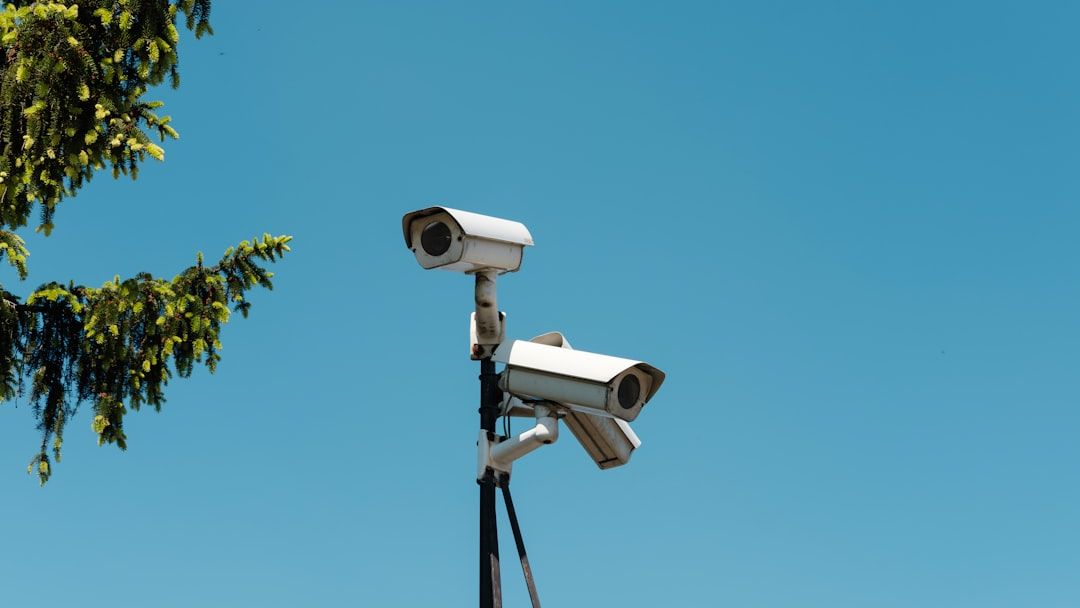
Privacy vs. Protection: Where Should We Draw the Line on Security Cameras? – Image for illustrative purposes only (Image credits: Unsplash)
Security cameras have transformed public safety across the United States, contributing to sharp declines in burglaries for both homes and businesses. Advanced systems now deliver crystal-clear footage accessible via smartphone alerts, enabling quicker responses to threats. Yet as their use expands, communities grapple with a growing tension: how to harness these tools without eroding personal privacy. Local governments confront this dilemma amid rising public concerns.
Proven Impact on Reducing Crime
Burglary rates have fallen significantly in recent years, a trend many attribute to widespread camera installations. Homeowners and business owners report fewer break-ins, thanks to the visible deterrent effect and high-quality evidence that aids investigations. Footage from these devices often captures suspects in remarkable detail, helping law enforcement identify and apprehend offenders who might otherwise escape.
Communities benefit particularly from resolutions in cases of random violence or stranger crimes. Newsletters and alerts sharing such images have led to swift arrests, underscoring the technology’s value in keeping streets safer. These successes highlight why surveillance has become a staple in modern security strategies.
Emerging Backlash at the Local Level
County commissions, city councils, and school boards now field frequent complaints about camera deployments. Residents express unease over systems that shift from protective measures to perceived invasions of daily life. Without federal guidelines, the push for regulation falls to state and local authorities, who must define acceptable boundaries.
Perceptions differ widely, but a common thread emerges: the need for explicit “rules of engagement.” Clear policies would outline data usage, retention periods, and access protocols, ensuring surveillance serves safety without overreach. This local focus reflects broader frustrations with distant policymaking.
Challenges Posed by Private Sector Involvement
Many municipalities outsource surveillance to private firms, granting these companies broad data access. Intended for faster emergency responses and crime-solving, the systems sometimes serve additional purposes beyond original plans. Such arrangements raise questions about accountability and unintended data applications.
While effective at core functions, the setup invites scrutiny. Private operators handle vast amounts of footage, potentially repurposing it in ways public officials did not anticipate. Establishing oversight mechanisms becomes crucial to maintain trust.
| Benefits of Surveillance | Risks and Concerns |
|---|---|
| Decline in burglaries | Data access by private firms |
| Clear identification of suspects | Lack of usage regulations |
| Quicker crime resolutions | Potential for misuse |
Surveillance Creep into Everyday Spaces
Apartment complexes and other private properties increasingly deploy cameras to monitor tenant activities. On private land, owners often face few legal restrictions, allowing footage collection without oversight in most states. This practice blurs lines between security and behavioral surveillance.
Technology advances outpace legislation, mirroring challenges with artificial intelligence. What begins as a safety measure can evolve into routine monitoring, prompting alarms about civil liberties. Lawmakers lag behind, leaving gaps that demand attention.
Local engagement drives change: Attend council meetings, voice concerns, and advocate for tailored rules. Balancing protection and privacy requires community input before issues escalate.
Surveillance cameras offer undeniable advantages in curbing crime, yet their unchecked expansion tests the limits of personal freedoms. As adoption grows, state and local rules will shape whether these tools enhance security or invite abuse. The challenge lies in drawing precise boundaries to preserve both safety and privacy in an evolving landscape.