

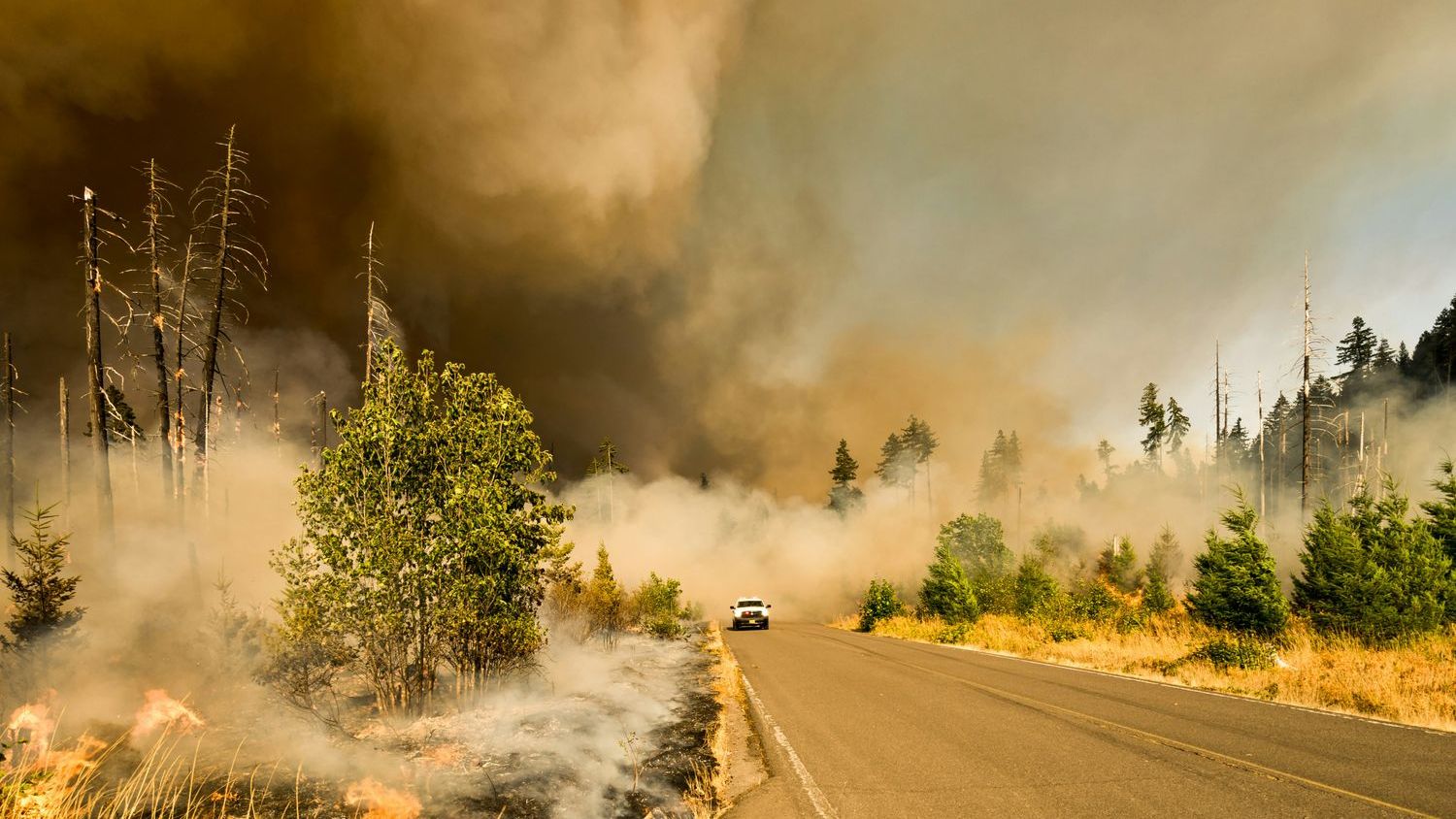
2026 Has Already Broken Climate Records. El Niño Could Break More. – Image for illustrative purposes only (Image credits: Unsplash)
As the midpoint of 2026 approaches, several climate benchmarks have already fallen. Arctic winter sea ice extent reached its lowest level on record, multiple countries recorded unprecedented winter heat, and wildfires have scorched more than 150 million hectares worldwide. These developments set a concerning stage for the months ahead.
Early Indicators Point to an Unusual Year
The pattern of extremes began well before summer. Arctic sea ice failed to build to typical winter levels, leaving the region more vulnerable than at any point in modern observations. At the same time, heat waves struck during what should have been cooler months in several nations, underscoring how baseline temperatures have shifted. These events occurred against a backdrop of ongoing global warming that has already pushed average temperatures close to 1.5 degrees Celsius above pre-industrial levels. Scientists note that such conditions make additional records more likely even without additional natural drivers.
Human Influence Outweighs Natural Variability
Climate researchers stress that human-caused warming remains the dominant factor behind the year’s extremes. Analyses that isolate the effects of the El Niño-Southern Oscillation show that greenhouse gas emissions have a far greater impact on the frequency and severity of heat waves, droughts, and fires than the natural cycle alone. Frederike Otto of World Weather Attribution and Imperial College London has pointed out that more than 100 prior studies reached the same conclusion. The current global warmth amplifies every event, regardless of whether an El Niño develops.
El Niño Forecast Adds New Pressure
The National Oceanic and Atmospheric Administration places the chance of an El Niño forming by July at 61 percent, with the pattern likely to last through the end of the year. This natural warming of Pacific waters typically raises global temperatures for several months. Daniel Swain of the University of California, Los Angeles, noted that no strong El Niño has occurred under conditions this warm in modern history. The combination could push average temperatures into territory never previously experienced, intensifying heat waves and drying landscapes further.
Wildfire Season Already Off to a Rapid Start
The global fire season has accelerated sharply in 2026. Large areas of the African savanna, Southeast Asia, and northeastern China ignited early, contributing to the total of more than 150 million hectares burned so far. Theodore Keeping of Imperial College London and World Weather Attribution described the pace as unusually fast. El Niño’s influence on fire risk varies by region. While parts of the United States may see mixed outcomes, elevated danger is expected across much of the country. Stronger effects are anticipated in the Amazon and Australia, where drier conditions could extend fire seasons and increase their intensity. Keeping warned that the early surge combined with the El Niño outlook points to a particularly severe year. The likelihood of harmful, extreme fires could reach the highest levels seen in recent history.
What matters now: Climate change is already driving most of the year’s extremes, yet an emerging El Niño could compound those risks through the remainder of 2026. Continued monitoring of Pacific temperatures and regional fire conditions will help refine expectations for heat, drought, and wildfire activity in the coming months.