

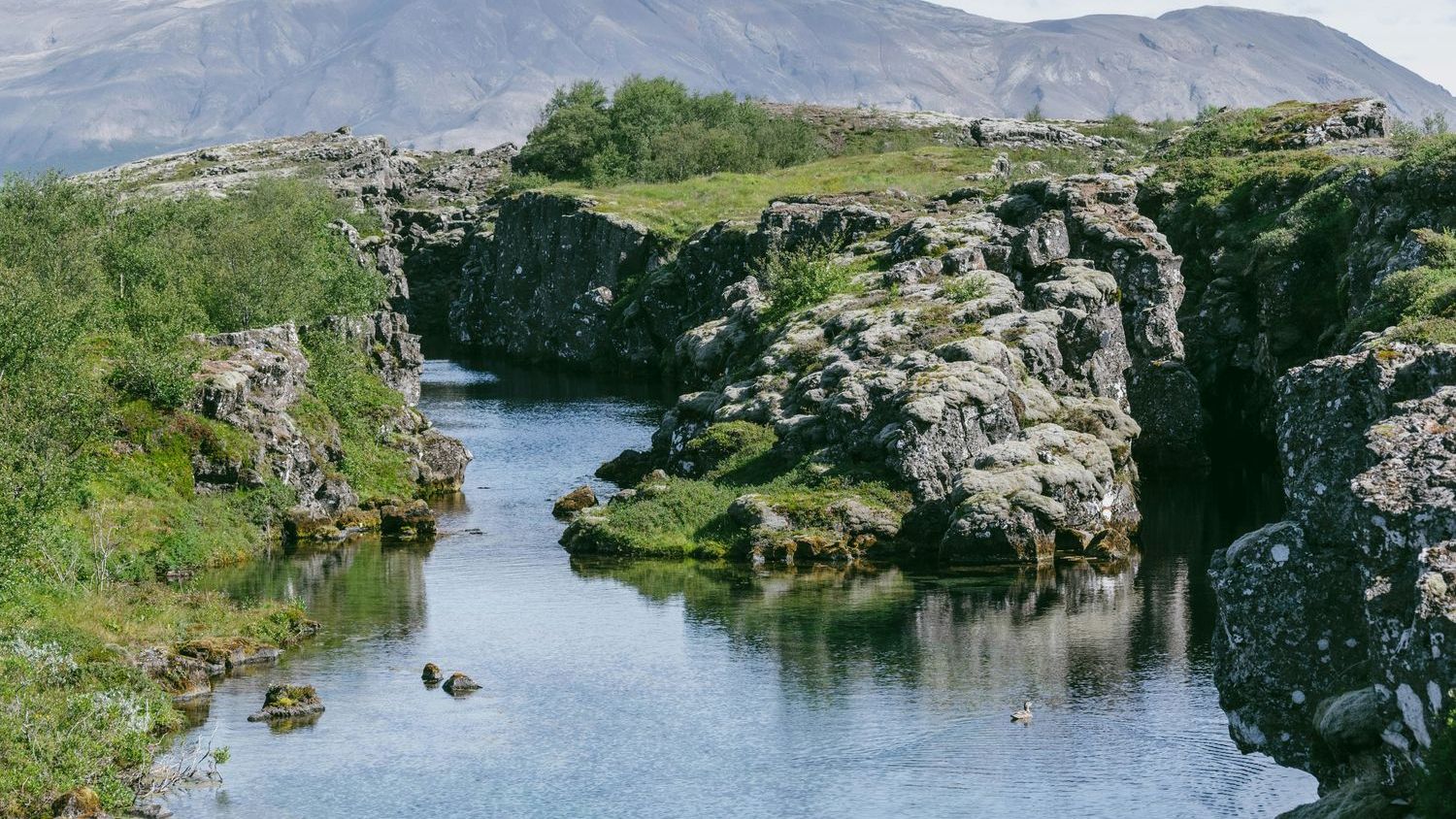
New tectonic plate boundary could be forming in Zambia, scientists say – Image for illustrative purposes only (Image credits: Unsplash)
Zambia sits at the center of an unexpected geological development that could alter how scientists view the slow breakup of continents. Recent analysis of gases escaping from geothermal springs has uncovered unusually elevated ratios of helium isotopes, a finding that points to a breach in the crust reaching all the way to the mantle below. If the process continues, the area may one day mark the birth of an entirely new tectonic plate boundary. The discovery adds a fresh data point to the long-running study of how landmasses separate over millions of years.
Reading the Mantle Through Spring Gases
Geothermal springs release gases that have traveled upward from deep underground. In this case, the helium isotope signature stands out because it matches material typically found only in the mantle, not in the crust. Researchers interpret the high ratios as evidence that a zone of weakness has allowed mantle-derived fluids to reach the surface. The pattern emerged during routine sampling and stood out against background levels recorded elsewhere in the region.
Isotope measurements provide a direct window into subsurface conditions without the need for deep drilling. Elevated helium-3 relative to helium-4 serves as a reliable tracer for mantle influence. The Zambian results therefore suggest the crust has thinned enough for mantle material to interact with near-surface waters. Further sampling at additional springs would help confirm whether the signal is localized or more widespread.
Context Within Continental Rifting
Continental rifts form when tectonic forces stretch and thin the lithosphere over long periods. The East African Rift System already demonstrates this process on a grand scale, yet the Zambian site lies outside its main axis. The new data indicate that rifting may be propagating or initiating in a previously stable area. Such events remain rare in the geologic record and usually unfold across millions of years.
Plate boundaries evolve through repeated episodes of extension, volcanism, and faulting. A developing rift in Zambia would eventually produce new oceanic crust if spreading continues, though that outcome lies far in the future. The current observations capture an early stage where the crust has begun to fail but surface expression remains subtle. Comparisons with other rift zones help place the Zambian findings in a broader framework of lithospheric evolution.
Energy Prospects and Remaining Questions
Active geothermal systems often accompany rifting because heat from the mantle rises closer to the surface. In Zambia, the same springs that yielded the helium data could eventually support clean energy projects. Local communities might benefit from reliable electricity generation if exploration confirms sufficient heat flow and permeability. Several African nations already tap similar resources, offering a practical model for development.
Significant uncertainties persist. The isotope data alone do not reveal the rift’s full extent, rate of widening, or long-term stability. Seismic imaging and additional geochemical surveys would be required to map the structure at depth. Scientists emphasize that the feature remains in a preliminary phase and could stall rather than evolve into a mature plate boundary.
What matters now
- Continued monitoring of spring chemistry to track any changes in mantle influence.
- Integration of geophysical surveys to determine the rift’s scale and orientation.
- Assessment of geothermal potential alongside environmental safeguards.
The Zambian findings illustrate how incremental observations can reshape understanding of Earth’s dynamic interior. They also highlight the value of studying regions once considered tectonically quiet. As data accumulate, the story of this potential rift will either fade or become a textbook example of continental division in progress.