

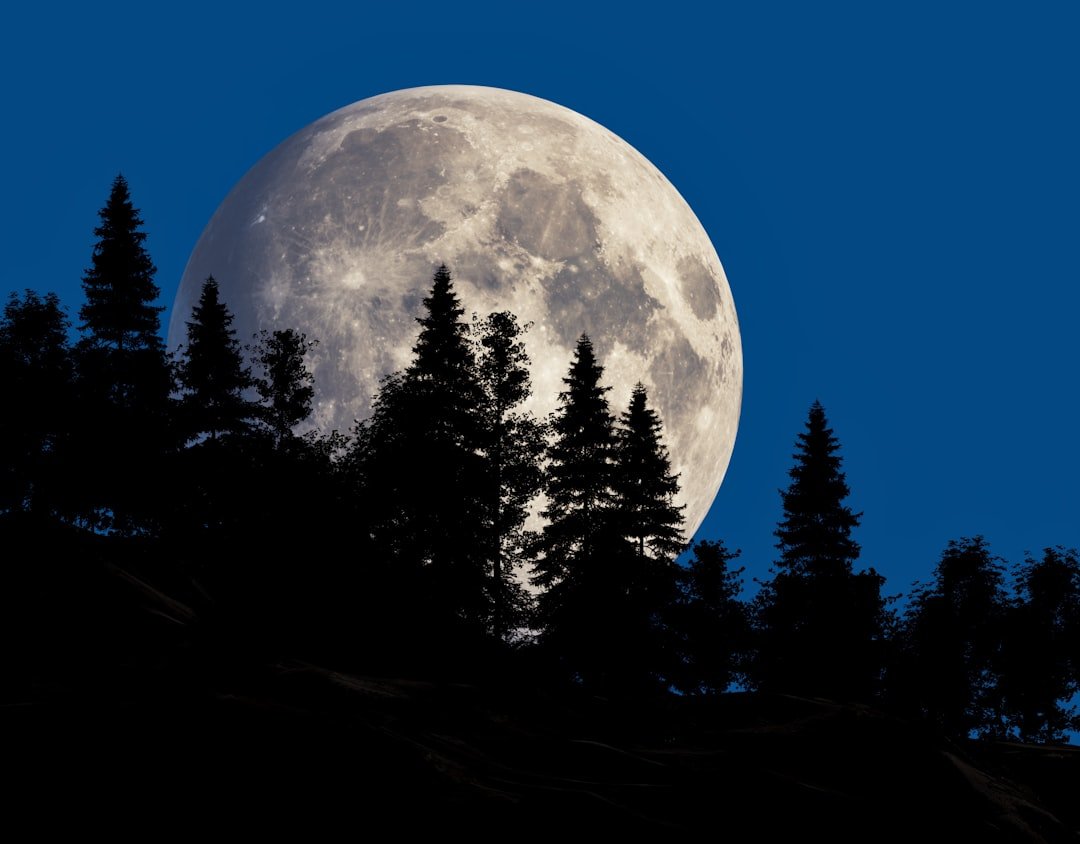
The Science and Lore Behind Full Moons (Image Credits: Unsplash)
Full moons have long served as natural timekeepers, illuminating nights and shaping cultural traditions worldwide. In 2026, the year features 12 such events, complete with traditional names rooted in seasonal changes, three supermoons, a rare blue moon, and two lunar eclipses. This guide details exact timings in Eastern Daylight Time (EDT) from Astronomy.com, enabling observers to mark their calendars for optimal viewing.[1][2]
The Science and Lore Behind Full Moons
A full moon occurs when Earth positions itself directly between the Sun and Moon, bathing the lunar near side in sunlight. This alignment completes the synodic month, averaging 29.5 days, during which the Moon cycles through phases from new to full and back.[1] Observers notice the Moon appearing fully illuminated for about three days around peak fullness.
Traditional names trace back to Native American, Colonial American, and European sources, tying lunar cycles to nature’s rhythms. These monikers evoke vivid imagery, from winter hardships to summer abundance. They offer a poetic lens for modern skywatchers.
- Wolf Moon (January): Echoes howling wolves in deep winter.
- Snow Moon (February): Reflects heavy snowfalls.
- Worm Moon (March): Signals earthworms emerging as soil thaws.
- Pink Moon (April): Honors spring phlox wildflowers.
- Flower Moon (May): Celebrates widespread blooms.
- Strawberry Moon (June): Coincides with berry harvests.
- Buck Moon (July): Notes antler growth on male deer.
- Sturgeon Moon (August): Marks plentiful fish catches.
- Corn Moon (September): Aligns with corn ripening.
- Hunter’s Moon (October): Aids fall hunting.
- Beaver Moon (November): Time for dam-building.
- Cold Moon (December): Captures winter’s bite.[1]
2026 Full Moon Dates at a Glance
Sky enthusiasts already witnessed the Wolf, Snow, Worm, and Pink Moons earlier this year. Upcoming full moons promise continued spectacle, with the Flower Moon arriving soon. The schedule below lists all 12 events, highlighting supermoons (marked with *) and special occurrences.
| Date | Time (EDT) | Traditional Name | Highlights |
|---|---|---|---|
| Saturday, Jan. 3 | 5:03 a.m. | Wolf Moon | Supermoon* |
| Sunday, Feb. 1 | 5:09 p.m. | Snow Moon | |
| Tuesday, Mar. 3 | 6:38 a.m. | Worm Moon | Total lunar eclipse |
| Wednesday, Apr. 1 | 10:12 p.m. | Pink Moon | |
| Friday, May 1 | 1:23 p.m. | Flower Moon | |
| Sunday, May 31 | 4:45 a.m. | Blue Moon | Second full moon in May |
| Monday, Jun. 29 | 7:57 p.m. | Strawberry Moon | |
| Wednesday, Jul. 29 | 10:36 a.m. | Buck Moon | |
| Friday, Aug. 28 | 12:19 a.m. | Sturgeon Moon | Partial lunar eclipse |
| Saturday, Sep. 26 | 12:49 p.m. | Corn Moon | |
| Monday, Oct. 26 | 12:12 a.m. | Hunter’s Moon | |
| Tuesday, Nov. 24 | 9:54 a.m. | Beaver Moon | Supermoon* |
| Wednesday, Dec. 23 | 8:28 p.m. | Cold Moon | Supermoon*[1] |
Highlight Reels: Supermoons, Blue Moon, and Eclipses
Three supermoons defined 2026’s standout full moons. These happen when fullness coincides near perigee, the Moon’s closest approach to Earth, amplifying size and brightness by up to 14 percent. January’s Wolf Moon kicked off the trio, followed by November’s Beaver Moon and December’s Cold Moon.[1]
May delivered a blue moon on the 31st – the second full moon that month, a rarity every 2.7 years. Though not blue-tinted, the term sparks curiosity. Eclipses added drama: March’s total lunar eclipse turned the Worm Moon blood-red as Earth’s shadow passed over it. August’s partial eclipse on the Sturgeon Moon offered a subtler bite from the shadow.
Tracking All Lunar Phases in 2026
Beyond full moons, 2026 unfolded with balanced phases: 13 new moons, 12 first quarters, 12 fulls, and 13 last quarters. These markers guide gardeners, photographers, and astronomers alike. For instance, new moons on dates like January 18 and February 17 provided dark skies ideal for deep-space viewing.
The year’s phases maintained a steady rhythm, with no major anomalies reported. Observers tracked progress via apps or charts, noting waxing and waning patterns. This completeness ensures comprehensive planning for any lunar interest.
Practical Tips for Moon Watching
Full moons rise at sunset and climb high by midnight, offering prime evening views. Binoculars reveal craters and maria; telescopes uncover finer details like rilles. Seek dark sites away from city lights to combat glow.
During supermoons, compare sizes to average full moons for perspective. Eclipses demand clear horizons – March’s total event peaked pre-dawn, while August’s came overnight. Weather apps help forecast conditions, maximizing chances of clear sights.[1]
Key Takeaways
- 2026 hosts three supermoons (Jan. 3, Nov. 24, Dec. 23) and a blue moon (May 31).
- Lunar eclipses highlight March 3 (total) and August 28 (partial).
- Full moons appear illuminated for three days; plan observations accordingly.
2026’s lunar lineup reminds us of the sky’s reliable beauty amid earthly changes. Whether chasing supermoons or traditional names, these events connect us to ancient rhythms. What full moon excites you most this year? Share in the comments.