


The Science of “Feeling With” – What Empathy Actually Does to the Body

Empathy is not just a mental posture. Neuroscience research from the Max Planck Institute found that simply observing another person in a stressful situation is enough to cause measurable cortisol release in the observer. Observing another person in a stressful situation can be enough to make our own bodies release the stress hormone cortisol.
In a large-scale study measuring this effect, roughly a quarter of observers who were not directly exposed to any stress whatsoever showed a significant increase in cortisol, with the effect being particularly strong when the observer and stressed individual were partners in a couple relationship, reaching about four in ten. Even when watching a complete stranger, the stress was transmitted to roughly one in ten observers.
This is not metaphorical. Empathic stress exists on psychological and physiological levels, including subjective, sympathetic, parasympathetic and endocrine activation. For someone who regularly empathizes at high intensity, the biological cost accumulates quietly and steadily.
Compassion Fatigue vs. Burnout – Why the Distinction Matters

Compassion fatigue involves the experience of emotional and physical fatigue due to the chronic use of empathy when dealing with people who experience a significant amount of suffering and distress. It is distinct from standard occupational burnout, which can affect anyone in a demanding job. Compassion fatigue specifically results from the emotional labor of caring for others in distress. You can experience burnout without compassion fatigue, or compassion fatigue without full burnout, such as a therapist who loves their work but absorbs too much client pain.
Compassion fatigue is often accompanied by physical symptoms such as sleep difficulties and headaches, behavioral reactions such as avoidance, and psychological consequences such as depression and emotional exhaustion. These physical symptoms are frequently what bring high-empathy individuals to a doctor’s office without a clear explanation for their condition.
The Numbers Behind Empathy Fatigue in Professional Settings

Research provides a clearer picture of just how widespread this problem actually is. A survey of 562 physicians found average scores across empathy satisfaction, job burnout, and secondary traumatic stress domains, with 291 of the physicians, representing more than half, identified as experiencing severe empathy fatigue.
Several studies have shown that the incidence of compassion fatigue in clinical nurses ranges from roughly seven to nearly forty-five percent, which is considered very high, especially in oncology and psychiatric units. Meanwhile, at any given time, between roughly eight and nearly thirty percent of professional groups such as psychologists and social workers report high levels of compassion fatigue.
These figures likely undercount the problem, because they focus on professional caregivers. High-empathy people in everyday roles, as parents, partners, and friends, are largely invisible in the data.
The Highly Sensitive Person Trait and Its Physical Toll

Highly Sensitive People, who make up an estimated fifteen to twenty percent of the population, bring a distinctive perspective to the tapestry of human experience. This trait, known in research as sensory processing sensitivity (SPS), isn’t just about emotional depth. It has real physical consequences.
Sensory processing sensitivity is a personality trait characterized by enhanced sensitivity towards endogenous and exogenous stimuli, and higher attention toward minimal stimuli, resulting in overarousal and fatigue. A 2024 study in Multiple Sclerosis and Related Disorders confirmed that sensory processing sensitivity is related to fatigue, especially cognitive and psychosocial ones, and that the highly sensitive person scale might unveil subjects with a higher risk of fatigue.
HSPs may experience physical symptoms such as headaches, stomachaches, or muscle tension in response to stress and overstimulation, symptoms that look somatic but have an emotional root. They also tend to have lower pain thresholds and more reactive immune systems.
Empathic Distress vs. Compassion – A Critical Brain-Level Difference

Not all forms of empathy exhaust equally. Research using functional MRI has drawn a meaningful line between two states that people often treat as identical. Empathy fatigue specifically describes the exhaustion from absorbing others’ emotions rather than witnessing them, and neuroscience research suggests that true compassion does not fatigue the way empathy can.
Functional magnetic resonance imaging studies show the debilitating condition known as compassion fatigue should more accurately be called “empathic distress fatigue,” and that the strategy to ease it is compassion training rather than reduced caring. The difference matters clinically. Other-oriented empathy constructs appear protective against burnout, while self-oriented empathy constructs, where you mirror rather than observe another’s feelings, may be a risk factor. Practitioners need not avoid trying to understand or feel compassion for their patients but may wish to avoid mirroring their patients’ feelings.
When Emotional Contagion Becomes a Health Risk

The body literally registers someone else’s pain as its own threat, triggering measurable stress responses including elevated cortisol levels. When this happens repeatedly and chronically, the toll is not just psychological. Permanently elevated cortisol levels are not good. They have a negative impact on the immune system and neurotoxic properties in the long term, meaning individuals working as caregivers or family members of chronically stressed individuals have an increased risk of suffering from the potentially harmful consequences of empathic stress.
Empathy fatigue occurs after chronic exposure to tragedy and trauma, and shows up during long-term caretaking roles, whether for a loved one or as a medical professional. It’s worth noting that this isn’t weakness. It’s biology responding to sustained social input with few recovery windows.
Sleep Disruption – The Hidden Amplifier
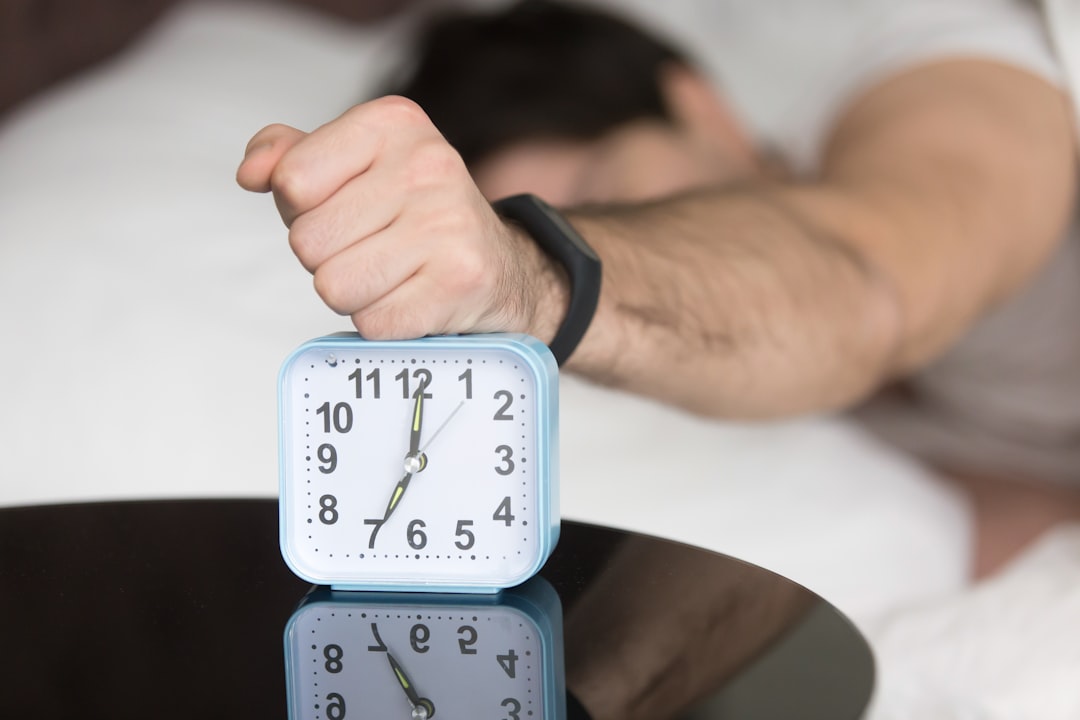
One of the most under-discussed consequences for highly empathic people is disrupted sleep. A 2024 study published in Stress and Health found that sleep reactivity mediates the relationship between sensory processing sensitivity and insomnia symptoms, as individuals with SPS react more strongly to environmental stimuli and are more likely to experience high stress levels, putting them at a higher risk for the development of sleep problems.
Previous studies examining the relationship between high sensitivity and negative emotional states suggest that individuals with higher sensory processing sensitivity are more likely to experience depression, anxiety, stress, and sleep problems. Poor sleep, in turn, reduces the brain’s ability to regulate emotions the next day, creating a compounding loop of emotional overload and physical depletion.
Research suggests that stress reactivity within the sleep system is consistent across various situational stressors, and that stress-related sleep disturbances may have neurobiological underpinnings in autonomic dysregulation. Even if you are generally a good sleeper, you will likely experience stress-related sleep disturbance if you get dysregulated during the day.
Self-Other Blurring – The Core Mechanism of Emotional Osmosis

At the heart of “emotional osmosis” is a failure of what neuroscientists call the self-other distinction. The capacity to remain clear about the self-other distinction is called emotion regulation. Without emotion regulation skills, this distinction is blurred, so we absorb another’s suffering and negative emotions as our own and experience empathic distress fatigue.
Highly sensitive people use fewer emotional defense mechanisms in engaging with others, possibly leading to faster emotional exhaustion in interaction with others. This is not a character flaw. It reflects how the brain of a high-empathy person actually processes social information, with deeper engagement and less automatic filtering.
Empathy may lead to negative consequences for the empathizer. If there is a personal identification with the emotions of the distressed person, empathic concern may evolve into personal distress leading to compassion fatigue over time.
Emotion Regulation as the Key Protective Factor

The research consistently points to one variable that modulates whether high empathy leads to exhaustion or resilience: the ability to regulate emotions without suppressing them. Major findings from healthcare studies indicate that self-reported traits of emotional intelligence and ability-based emotion management are inversely associated with compassion fatigue, and that adaptive coping is inversely related to compassion fatigue.
Emotion regulation naturally emerges as a key concept in understanding how people can protect themselves from the stress of their professions and maintain good psychological adjustment. Managing emotions experienced during interactions with others is one of the most important but challenging aspects of emotionally demanding work.
Research published in Frontiers in Psychology shows that mindfulness practices improve both empathy expression and compassion while helping maintain the self-other distinction that prevents emotional absorption. This suggests the goal isn’t to care less, but to care differently.
What Unexplained Fatigue in High-Empathy People Is Actually Signaling

Compassion fatigue, also known as secondary traumatic stress, is the emotional and physical exhaustion that hampers one’s capacity to empathize and show compassion towards others. When a highly empathic person presents with persistent fatigue, muscle tension, or low-grade headaches with no clinical cause, the history of their emotional exposure is often the missing variable.
Compassion fatigue, as a consequence of an empathetic reaction, is the mental and physical tiredness resulting from being a witness to the suffering of others. The word “witness” is key. You don’t have to live through something directly to carry its weight. Even television programs depicting the suffering of other people can transmit stress to viewers, according to research from the Max Planck Institute.
Constant exposure to suffering, whether from loved ones, clients, or the news, can overwhelm your capacity to process emotion. In a media environment that delivers tragedy around the clock, highly empathic people in 2026 are operating under conditions that were essentially unprecedented for most of human history.
A Note on What the Research Does and Doesn’t Yet Tell Us

The science here is evolving, and it’s worth being honest about its limits. Most studies on empathy fatigue have focused on professional caregivers rather than the general population, meaning the true scale of this phenomenon among non-clinical high-empathy individuals is still not well established. The cross-sectional nature of many studies is a potential barrier to understanding the causal link between empathy and compassion fatigue, and how other relevant factors like personality traits, workplace environment, and social factors influence these variables.
Still, the convergent evidence across neuroscience, clinical psychology, and occupational health is compelling. The body of a highly empathic person is not malfunctioning when it experiences unexplained fatigue. It may actually be functioning exactly as designed, absorbing too much, too often, with too little recovery.
The practical implication is simple to state and genuinely hard to practice: recognizing emotional absorption as a physical process, not just a mood, is probably the first step toward addressing the fatigue it produces. Rest alone won’t fix it if the empathic exposure continues unchanged.