


Tax season ends, but IRS enforcement doesn’t stop at April 15. For millions of Americans running side hustles, the weeks and months after the filing deadline are actually when scrutiny intensifies. The agency has upgraded its detection tools and tightened reporting rules, and certain income streams are drawing attention like never before.
Earning extra income outside of a primary job has become a normal part of many Americans’ financial lives. According to LendingTree’s 2025 Side Hustle Survey, nearly 40% of Americans have a side hustle, and 61% of those who have one say it’s essential to afford everyday life. With stakes that high, it’s worth understanding exactly what the IRS is watching – and why three income streams in particular are in the crosshairs right now.
Why the IRS Is Paying Closer Attention Than Ever

The Internal Revenue Service is cracking down on a specific category of income that many Americans are increasingly reliant on: side hustles. As of 2025, roughly 27% of American workers had some form of side income, according to a Bankrate survey.
Funding unlocked by the Inflation Reduction Act of 2022 allowed the agency to modernize its operations and expand the use of sophisticated data analytics and artificial intelligence tools. In short, the IRS isn’t relying on paper trails alone anymore.
With over 5 million new business applications filed in 2024 alone, side hustles have become main hustles for many Americans. The IRS is catching up with that growth.
The 1099-K Threshold Shift That Changed Everything

In the past, third-party payment platforms were only required to issue a 1099-K form to users with over 200 transactions and $20,000 in payments for the tax year. That era is effectively over for the 2024 tax year.
The millions of Americans with revenue-generating side hustles and casual sellers may be in for a big surprise – an unexpected tax form called the 1099-K. Payment platforms, apps, and online marketplaces must issue a Form 1099-K to anyone who received $5,000 or more in payments on any single platform in 2024.
The IRS also announced that the reporting threshold will continue to decrease in subsequent years and anticipates it will impact roughly 20 million people over the next two years. Importantly, on July 4, 2025, the One Big Beautiful Bill Act was signed into law, repealing the lower threshold and retroactively reinstating the original federal requirement of over $20,000 and more than 200 transactions. For the 2024 tax year, however, the $5,000 rule still applied – and those returns are exactly what the IRS is reviewing now.
Income Stream #1: Freelance and Gig Platform Payments

Freelance income flowing through platforms like Upwork, Fiverr, PayPal, and Venmo is the most commonly flagged category. The IRS has introduced stricter reporting requirements for side hustle income in 2025, affecting freelancers, gig workers, and independent contractors. With the expansion of third-party payment reporting and increased IRS scrutiny, taxpayers earning income from side gigs, online sales, ridesharing, or freelancing must ensure they comply with the latest regulations.
If you accepted customer payments through any of these apps and exceeded the $5,000 annual threshold for 2024, expect to have received a 1099-K in early 2025 summarizing your income. The IRS received a copy too, meaning the agency can easily cross-reference your tax return to ensure you’ve reported all taxable income from your gig work.
The IRS requires taxpayers to report all income earned, even if they do not receive a Form 1099 from clients or third-party payment platforms. That last point catches many people off guard. No form does not mean no obligation.
Income Stream #2: Short-Term Rental Income

Platforms like Airbnb and VRBO have made it easy to turn a spare bedroom into regular income. What many hosts don’t realize is that the IRS has clear lines drawn around how that income gets taxed – and which side of those lines you’re on matters enormously.
Airbnb income is considered taxable by the IRS. Whether you rent out a private room, entire property, or guest house, even for a few nights, you’re expected to report that income on your federal tax return.
Airbnb hosts in the U.S. earned an average monthly revenue of $4,300 in 2024, and every cent of that is taxable income. Yet many hosts find out too late that they’re on the hook for income tax, scrambling during busy season to get records in order or explain mismatched payout figures.
Short-term rental income from platforms like Airbnb and VRBO can trigger additional self-employment taxes if substantial services are provided, reducing overall ROI despite higher rental income. That’s a tax layer many hosts never expected.
Income Stream #3: Online Marketplace Sales

Selling on eBay, Poshmark, Etsy, Facebook Marketplace, and similar platforms has exploded. The IRS is fully aware of it. Reporting income from online side hustles has always been legally required, but many Americans do not do it. Now, companies are also required to send paperwork to the IRS, meaning underreporting will be easier to catch.
Taxes are owed on profits made, not necessarily all money earned on online marketplaces. If you earn less than what you paid for the item – say, you sell some used furniture on Facebook Marketplace – you won’t need to disclose a gain to the IRS.
Selling online, whether it’s handmade candles on Etsy, vintage sneakers on eBay, or custom T-shirts on TikTok Shop, has never been easier. For many, a side hustle is a fun way to turn hobbies into extra income. While listing your first item can be exciting, the tax rules around online sales may be more complicated than expected.
The Hobby Loss Rule: A Hidden Trap for Side Hustlers
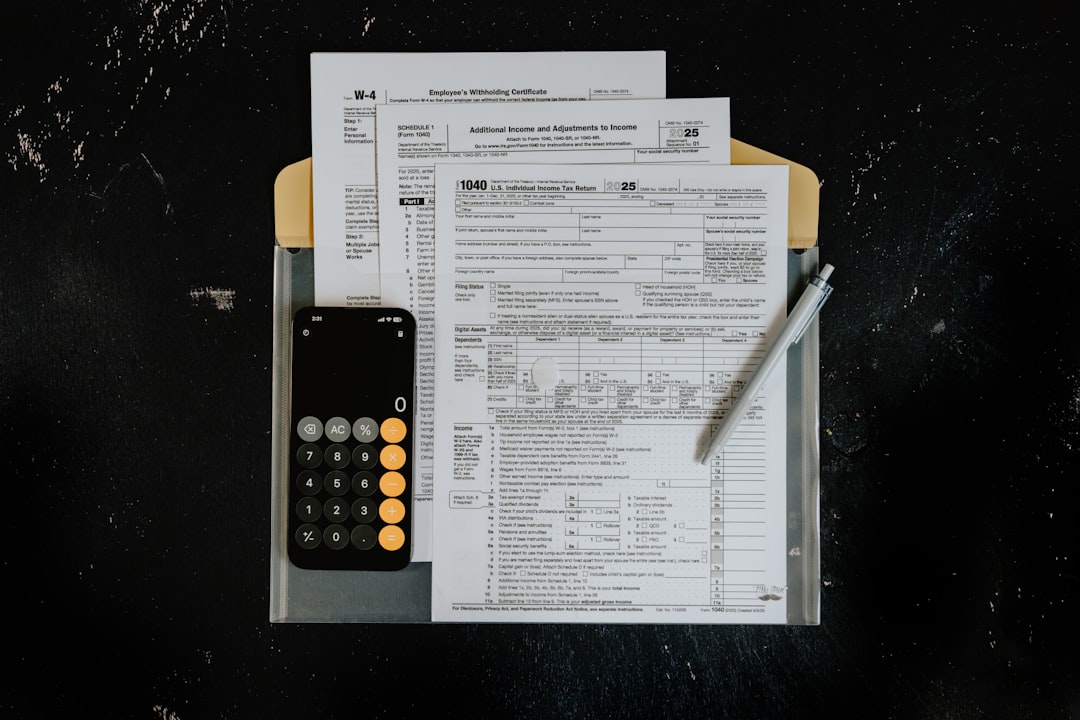
One of the most misunderstood areas of the tax code is the IRS “hobby loss rule,” and it’s become a major audit trigger. The IRS has released new guidance to help taxpayers distinguish between hobbies and businesses for tax purposes, as more Americans earn money through side activities like online selling, content creation, and gig work. The agency’s Tax Tip 2025-42, issued June 24, 2025, emphasizes that the core difference comes down to profit motive.
Hobby income is taxed in full, with no offset for related costs. If the IRS reclassifies what a taxpayer treated as a business into a hobby during an audit, previously claimed business expenses and losses become non-deductible. This can result in substantial additional tax liability, plus penalties and interest on any underpayment.
If your business earned a profit in three out of the last five years, it’s more likely to be labeled as a legitimate business. If it doesn’t generate profit consistently, the IRS may view it more as a hobby, since hobbies are generally focused more on enjoyment than on making a profit.
The Self-Employment Tax Obligation Most People Overlook

Filing and paying income tax on side hustle earnings is only half the story. There’s a separate obligation that surprises many first-time gig workers. If your net earnings exceed $400, you must pay 15.3% self-employment tax using Schedule SE.
If you’re a freelancer, taxes are not withheld from your income like a traditional employee, and you’ll be required to make quarterly estimated tax payments. Missing those quarterly deadlines is itself an audit flag.
If you expect to owe over $1,000 in taxes for your side income, you may need to make quarterly estimated payments to avoid penalties. Many side hustlers only discover this after receiving a penalty notice in the mail.
Cash Payments and Digital Apps: What the IRS Can Track

Some people assume cash transactions or switching to less-monitored apps keeps their income invisible. That assumption is increasingly flawed. Physical cash transactions may be a little more difficult to track, but the IRS can still monitor purchases, payments, transfers, and bank deposits. The law mandates declaration of any cash transaction over $10,000, and heavy use of cash could make you more vulnerable to an audit.
In Avalara’s 2025 survey of gig workers, 20% planned to take on more under-the-table work, and 15% said they would switch to Zelle to avoid IRS reporting rules associated with platforms like PayPal and Venmo. The IRS is aware of these workarounds and monitors for unusual patterns regardless of which payment method is used.
More than 60% of gig economy workers surveyed by Censuswide in January 2025 did not know the 1099-K reporting threshold had been lowered. And 74% of those surveyed could not identify the payment threshold above which they would be required to report income to the IRS in 2025.
How to Audit-Proof Your Side Hustle Records

Good documentation is the most practical defense against an IRS inquiry. Regardless of classification, the IRS emphasizes that good recordkeeping throughout the year is essential. This includes tracking all income received, maintaining records of dates and amounts, and keeping supporting documentation for any expenses.
All side hustle earnings must be reported on Schedule C (Profit or Loss from Business), whether or not a 1099 is received. Keeping that form accurate and supported by records is your first line of defense.
Many costs associated with running your side hustle may be tax-deductible, such as supplies, advertising, mileage, and home office expenses. Claiming those deductions correctly – not aggressively – is what protects you during a review.
What Happens If You’ve Already Underreported

If you suspect your past returns didn’t capture all your side income accurately, acting proactively is far better than waiting to receive a notice. The IRS is auditing smarter and focusing more aggressively on certain taxpayer categories. Proactive planning, careful documentation, and professional guidance are essential to avoid triggering audits and ensure compliance.
Misclassifying income can have unpleasant consequences. Claiming hobby income as business income could trigger an audit, and claiming business income as hobby income could result in underpayment penalties.
If you’re reporting income from a side hustle but the IRS classifies it as a hobby, you still owe taxes on the income – and you can’t even deduct the expenses. That’s a double hit many people simply aren’t prepared for.
The Bottom Line: Transparency Is the Safest Strategy

The post-April 15 enforcement window is real, and the IRS has the tools and the data to identify discrepancies that once slipped through. The IRS’s message is straightforward: side-hustle income is no longer flying under the radar. Reporting it accurately, and on time, is the best way to prevent an unwelcome letter from Uncle Sam.
If you earn income outside a traditional paycheck, it is your responsibility to track and report it accurately. The safest approach is to maintain detailed records of all revenue, including digital payments, bank transfers, and cash. Keeping organized documentation reduces stress and strengthens your position if questions arise.
The IRS isn’t targeting side hustlers out of spite. It’s filling a gap where billions in unreported income flow each year. The best response is simple: treat your side income like what it legally is – taxable earnings – and document every dollar accordingly. That one habit is worth more than any tax strategy available.