

A Desert Chosen for Its Emptiness
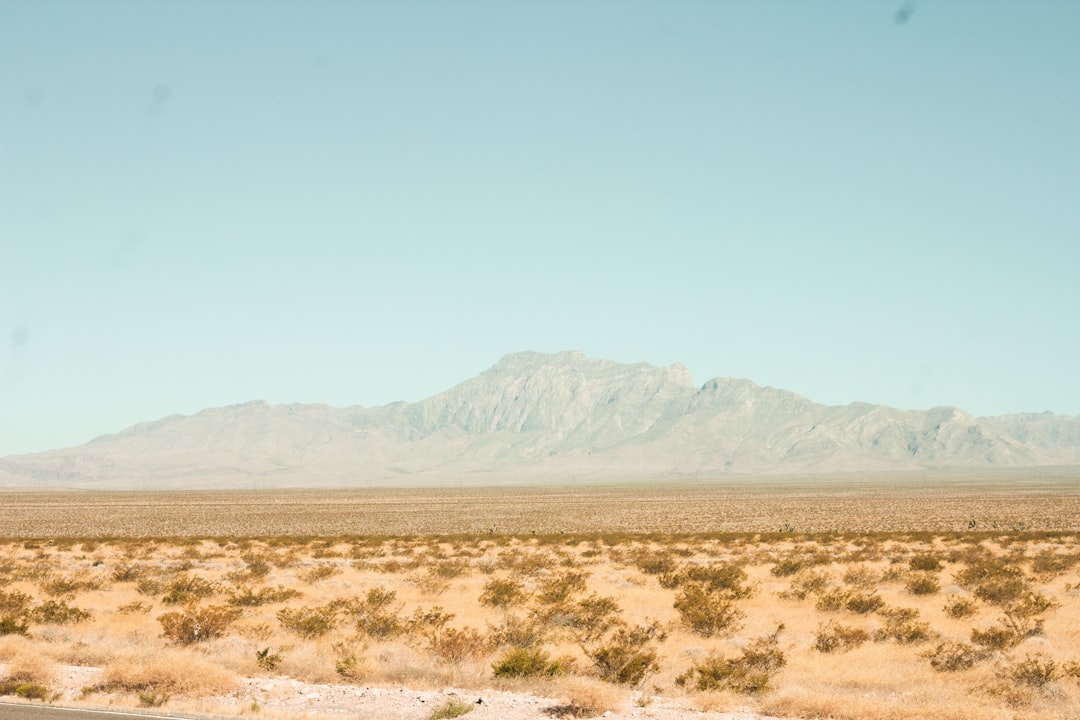
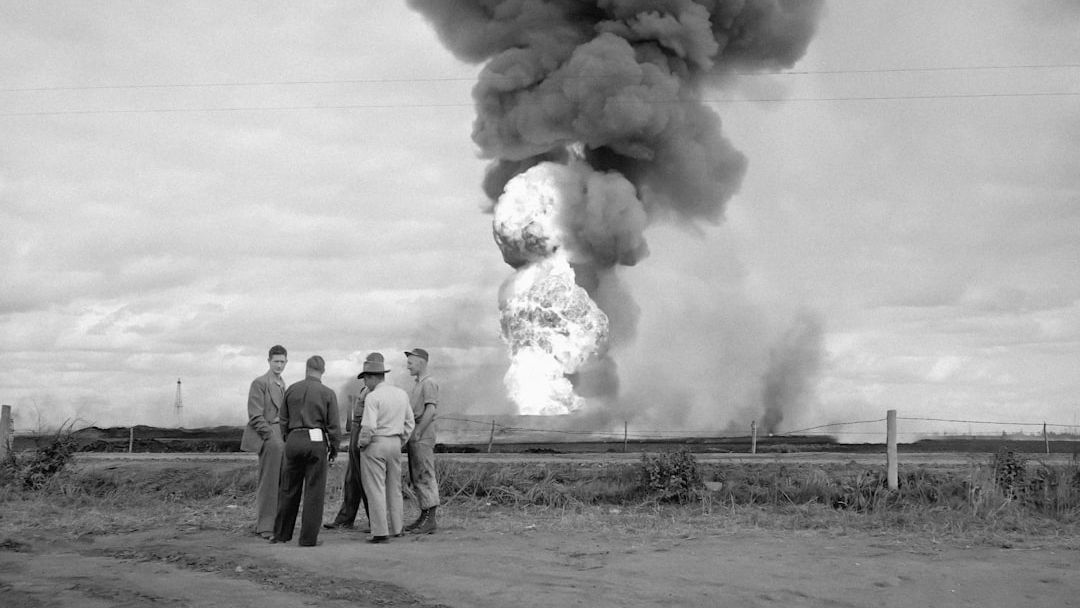
The very conditions that had once impeded western technological development became benefits: lots of wide-open, unpopulated federal land where dangerous experiments could be conducted in secret. Nevada’s remote Mojave terrain offered something invaluable in the nuclear age – distance from population centers and natural geographic barriers that made surveillance from the outside nearly impossible.
After consideration of many possible sites, an AEC meeting concluded that the Las Vegas Bombing and Gunnery Range in Nevada satisfied nearly all of the established criteria for a continental proving ground. As a result, President Harry Truman authorized a 680-square-mile section of the range in Southern Nevada as the Nevada Proving Grounds. The site’s remoteness was not an accident of geography. It was a deliberate strategic choice, shaped by the growing urgency of the Cold War and the realization that the United States needed a place to test weapons of enormous destructive power without triggering public panic.
The First Detonation and What It Meant
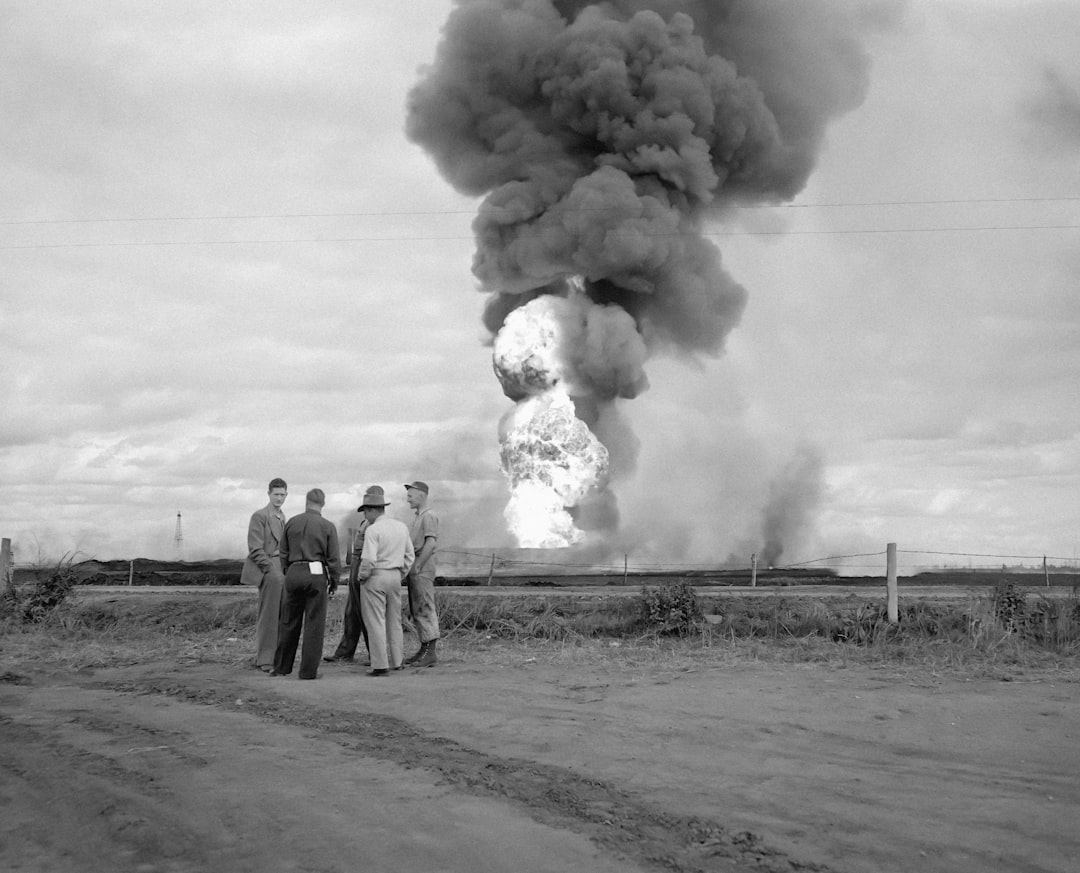
On January 27, 1951, nuclear testing at the NTS officially began with the detonation of Shot Able, a 1-kiloton bomb, as part of Operation Ranger. That first flash over Frenchman Flat was felt as far away as San Francisco, a vivid signal that something extraordinary – and deeply classified – had begun in the Nevada desert.
The AEC originally intended for the NTS to be a testing site where quick experiments could be conducted with small-scale nuclear bombs, with results ideally leading to the development of bigger atomic bombs and advanced thermonuclear weapons. In reality, large-scale atmospheric tests became common and lasted for nearly twelve years. The ambitions of the program quickly outgrew its original design. What was conceived as a series of small, controlled experiments became a sustained military-scientific enterprise that would reshape the landscape of both physics and geopolitics.
The Scale of Testing: Numbers That Still Stagger
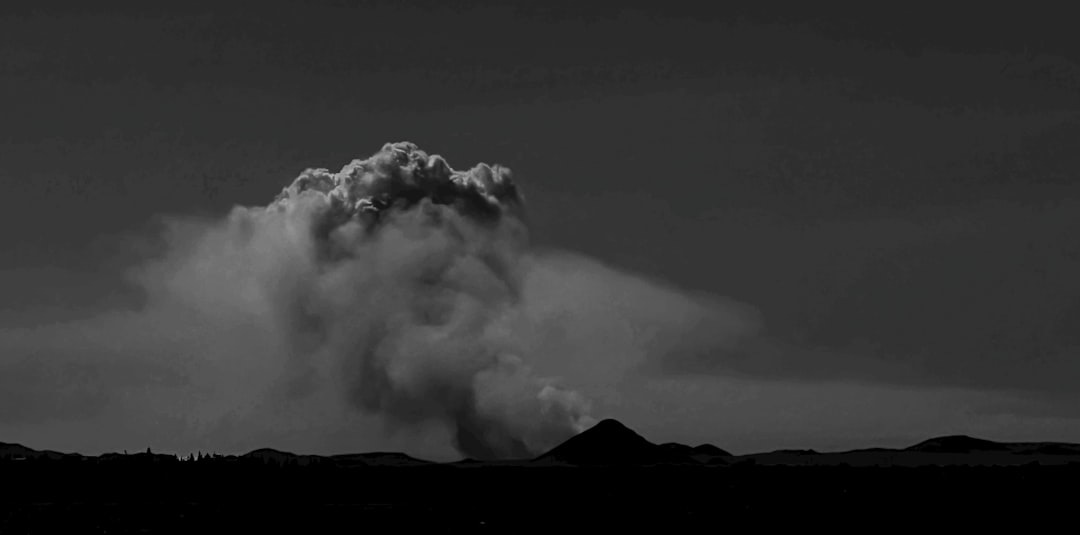
About 928 nuclear tests were conducted at the site through 1992, when the United States stopped its underground nuclear testing. The site consists of about 1,350 square miles of desert and mountainous terrain. To put that scale in perspective, it is roughly the size of the state of Rhode Island, packed with craters, subsidence zones, and contaminated soil that still defines the landscape today.
Of the 928 announced nuclear tests, 828 were underground, with 62 of those including multiple simultaneous detonations, bringing the total number of detonations to over a thousand. It is estimated that nearly 150 million curies of radioactive material were released through the atmospheric tests conducted from 1951 to 1962 – an amount roughly equivalent to about twenty times the radiation released during the Chernobyl nuclear accident. These figures were not publicly known for decades, suppressed beneath layers of classification and institutional denial.
Operation Upshot-Knothole: Science as Theater
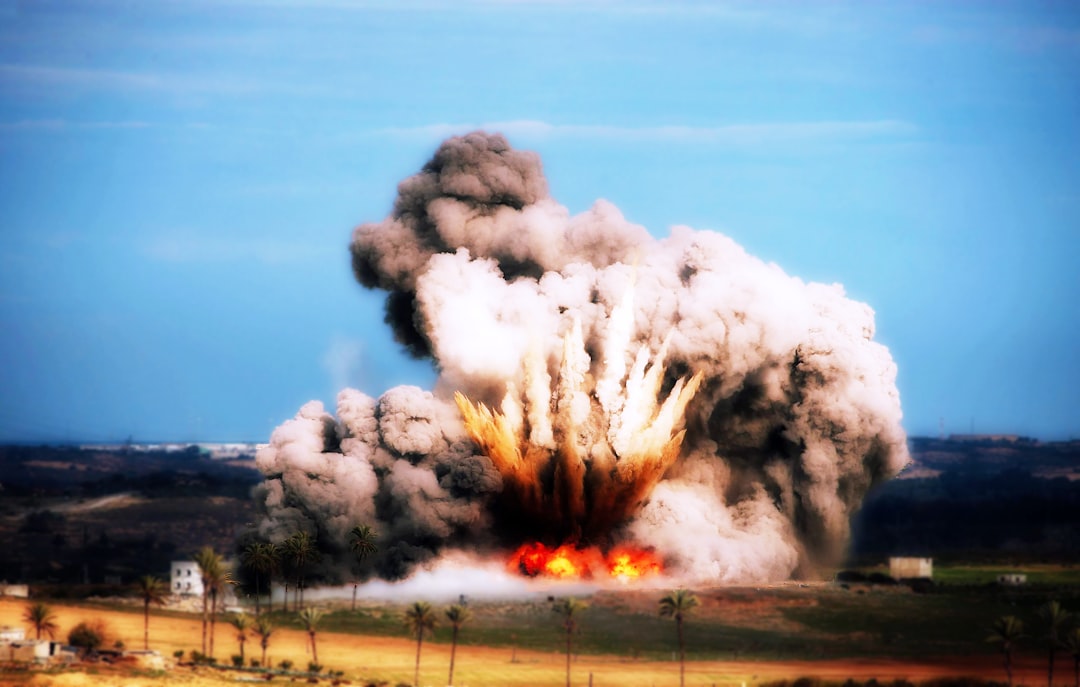
Operation Upshot-Knothole, the ninth series of atmospheric nuclear tests, was conducted by the Atomic Energy Commission at the Nevada Proving Ground from March 17 to June 20, 1953. The series consisted of 11 nuclear tests, including one detonation fired from a 280mm cannon, three airdrops, and seven tests detonated on towers ranging from 100 to 300 feet in height. The sheer variety of detonation methods speaks to how much the military was still learning about what nuclear weapons could actually do in a battlefield setting.
The operation involved an estimated 20,100 Department of Defense personnel participating in observer programs, tactical maneuvers, scientific studies, and support activities. Upshot-Knothole was intended to test nuclear devices for possible inclusion in the U.S. arsenal and to improve military tactics, equipment, and training. Operation Upshot-Knothole created roughly half of all the radiation the public within a 300-mile radius was exposed to during the entirety of testing at the Nevada site, with three-quarters of that coming from a single detonation known as the Harry Shot. The Harry Shot became notorious not because of its size alone, but because its fallout drifted directly toward populated communities in Utah.
The Downwinders: A Human Cost Hidden in Plain Sight

Fallout from the NTS was deemed responsible for increases in radiation-related illnesses in downwind locations, especially in St. George, Utah, located about 135 miles east of the site. As early as 1953 the city began experiencing severe fallout in the wake of on-site detonations. From the mid-1950s to the 1980s, disproportionately high rates of cancers – including thyroid cancer, leukemia, and lymphoma – affected these so-called downwinders. The communities near the Nevada-Utah border had no warning that they were living in the fallout path of repeated nuclear tests.
Complications also persist regarding the actions taken by the military during early testing at the Nevada site. So-called “war games” often included tactical training exercises that featured frontal charges by troops into fallout zones, sometimes just minutes following detonation. Many soldiers who participated would later develop diseases related to radiation exposure. The secretive nature surrounding military procedures silenced their claims for years and bred deep distrust of the government within the downwinder community. By 2014, over 28,000 downwinder claims for a total compensation of nearly two billion dollars had been processed.
Las Vegas Watched the Mushroom Clouds Rise
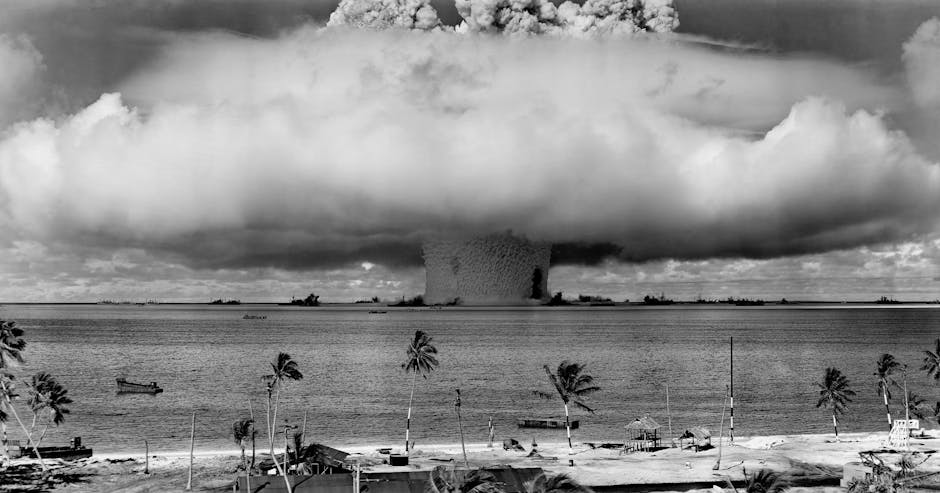
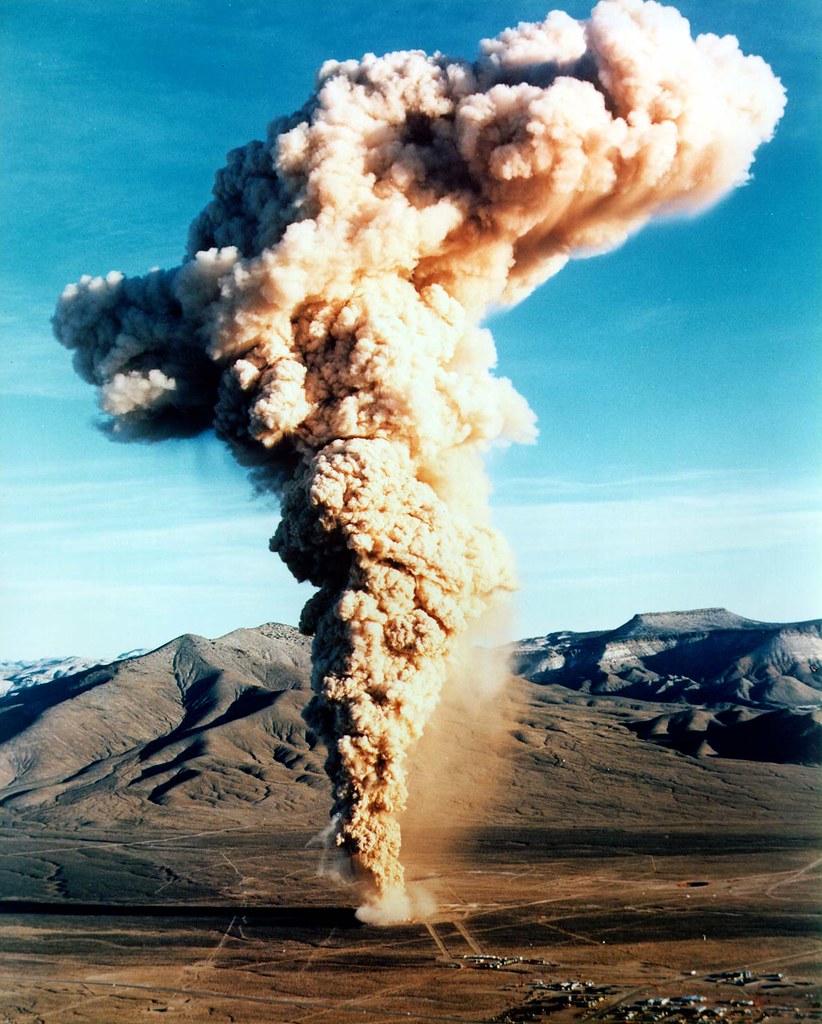
During the 1950s, the mushroom clouds from atmospheric tests could be seen for almost 100 miles. The city of Las Vegas experienced noticeable seismic effects, and the distant mushroom clouds, which could be seen from downtown hotels, became tourist attractions. It is a striking image by any standard – tourists sipping cocktails on hotel rooftops as nuclear detonations lit up the morning sky over the desert.
The spectacle normalized something extraordinary. The military and the AEC leaned into this strange form of public relations, occasionally designating certain shots as “open” to reporters and observers, letting civilians witness the power of American nuclear capability firsthand. Shot Annie, a 300-foot tower detonation fired with a yield of 16 kilotons, was designated an “open shot,” which allowed reporters to view the detonation from News Nob, about seven and a half miles south of the shot tower. The line between transparency and propaganda was always thin. What the public saw was carefully curated. What workers and nearby residents actually experienced was another matter entirely.
Area 51 Arrives: Built on the Shoulders of the Proving Ground
The Central Intelligence Agency established the Groom Lake test facility in April 1955 for Project AQUATONE: the development of the Lockheed U-2 strategic reconnaissance aircraft. By that point, the Nevada Proving Ground had already been operating for four years, and its classified infrastructure, restricted airspace, and culture of absolute secrecy made the region uniquely suited to hosting another layer of classified activity.
The U-2 Project Staff spotted what appeared to be an airstrip by a salt flat known as Groom Lake, near the northeast corner of the AEC’s Nevada Proving Ground. The site proved ideal for testing the U-2 and training its pilots. They asked the AEC to add the Groom Lake strip to its real estate holdings in Nevada, and the deal was approved by President Eisenhower. The name “Area 51” itself comes from its designation on Atomic Energy Commission maps. In other words, Area 51 was born as an administrative annex to the same nuclear infrastructure that had been quietly reshaping southern Nevada for years.
When Spy Planes Became UFOs
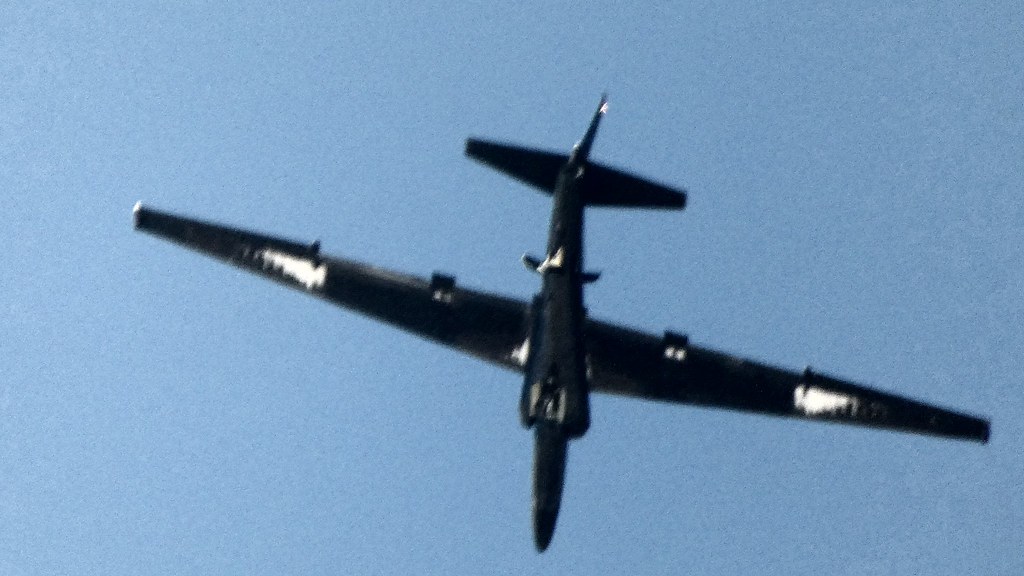
In the mid-1950s, civilian aircraft flew under 20,000 feet while military aircraft flew up to 40,000 feet. The U-2 began flying above 60,000 feet, and there was an increasing number of UFO sighting reports. Sightings occurred most often during early evening hours, when airline pilots flying west saw the U-2’s silver wings reflect the setting sun, giving the aircraft a fiery appearance. Many sighting reports came to the Air Force’s Project Blue Book through air traffic controllers and letters to the government.
Later painted black to blend in with the sky, the early U-2s were silver, which meant their long, shiny wings reflected light down from the upper atmosphere in a way that led citizens all over California, Nevada, and Utah to think the planes were UFOs. So many letters reporting UFO sightings were sent to the Wright Air Development Command that the Air Force created Operation Blue Book to collect and investigate the reports. Blue Book investigators regularly cross-referenced the Agency’s Project Staff to check reported UFO sightings against U-2 flight logs, enabling investigators to eliminate the majority of reports, although they could not reveal to the letter writers the true cause of what they had seen. The secrecy that made nuclear testing possible had now, almost inadvertently, generated a new and enduring mythology about the Nevada skies.
Secrecy as a Self-Fulfilling Conspiracy
Given that the Air Force couldn’t explain the sightings by telling the truth, it devised weather-related incidents to explain them away. These often unconvincing explanations only fed the fervor of conspiracy theorists. The government found itself trapped in a logic of its own making. The more aggressively officials dismissed reports, the more suspicious the public became. Silence and deflection, meant to protect classified programs, instead produced exactly the kind of speculation they were designed to prevent.
With the nuclear arms race in full swing, the idea that the world could come to an end in nuclear holocaust had tipped the psychological scales for many Americans, giving way to public discussion about Armageddon and the end of times. In 1951, Hollywood released The Day the Earth Stood Still, about aliens preparing to destroy Earth. Two years later, The War of the Worlds was made into a film. The cultural anxieties surrounding nuclear annihilation found their expression in science fiction, and science fiction provided the interpretive lens through which ordinary people processed what they saw above the Nevada desert. The intense secrecy surrounding the base made it the frequent subject of conspiracy theories and a central component of unidentified flying object folklore.
Conclusion
The Nevada Test Site’s true legacy is not just one of nuclear science or Cold War strategy. It is a lesson in how institutional secrecy, no matter how well-intentioned or strategically necessary, creates a vacuum that imagination is always ready to fill. The mushroom clouds, the classified aircraft, the silent workers bound by oaths, the radiation drifting across state lines – all of it existed in a kind of enforced shadow.
Area 51 did not invent the culture of mystery that surrounds the Nevada desert. It inherited it. The U.S. government officially acknowledged the existence of Area 51 in 2013, when it released a formerly classified CIA document about the history of the U-2 spy plane. Decades of secrecy had by then already calcified into folklore. The most enduring takeaway from this history may be simple: when governments keep secrets in full view of the public, the public will write its own version of the story. And that version, once written, is remarkably hard to revise.