

The title of this article references one of the most audacious concealment methods in espionage history: a courier named Lona Cohen, who transported classified Manhattan Project documents past armed security checkpoints by hiding them under a box of tissues, relying entirely on nerve and quick thinking. That single act changed the course of the nuclear arms race. The story of how she got there, and who helped put those documents in her hands, begins with the sheer scale of the program itself.
A Program So Large It Was Almost Impossible to Hide

At its peak in June 1944, the Manhattan Project employed about 129,000 workers, of whom roughly 84,500 were construction workers, about 40,500 were plant operators, and around 1,800 were military personnel. Due to high turnover, over 500,000 people worked on the project across its entire lifespan. Managing that many people while keeping the project’s true purpose completely secret was a logistical challenge unlike anything the government had attempted before.
Key research facilities, including Los Alamos Laboratory in New Mexico, Oak Ridge Reservation in Tennessee, and Hanford Site in Washington, were established in remote locations to minimize the risk of detection and espionage. Each site had multiple security checkpoints guarded by military police around the clock, and tall barbed-wire fencing surrounded each site’s perimeter to prevent both intrusion and clandestine exits. The whole enterprise cost approximately two billion dollars at the time, a figure that translates to well over twenty-five billion in today’s money.
The Architect of Secrecy: General Leslie Groves
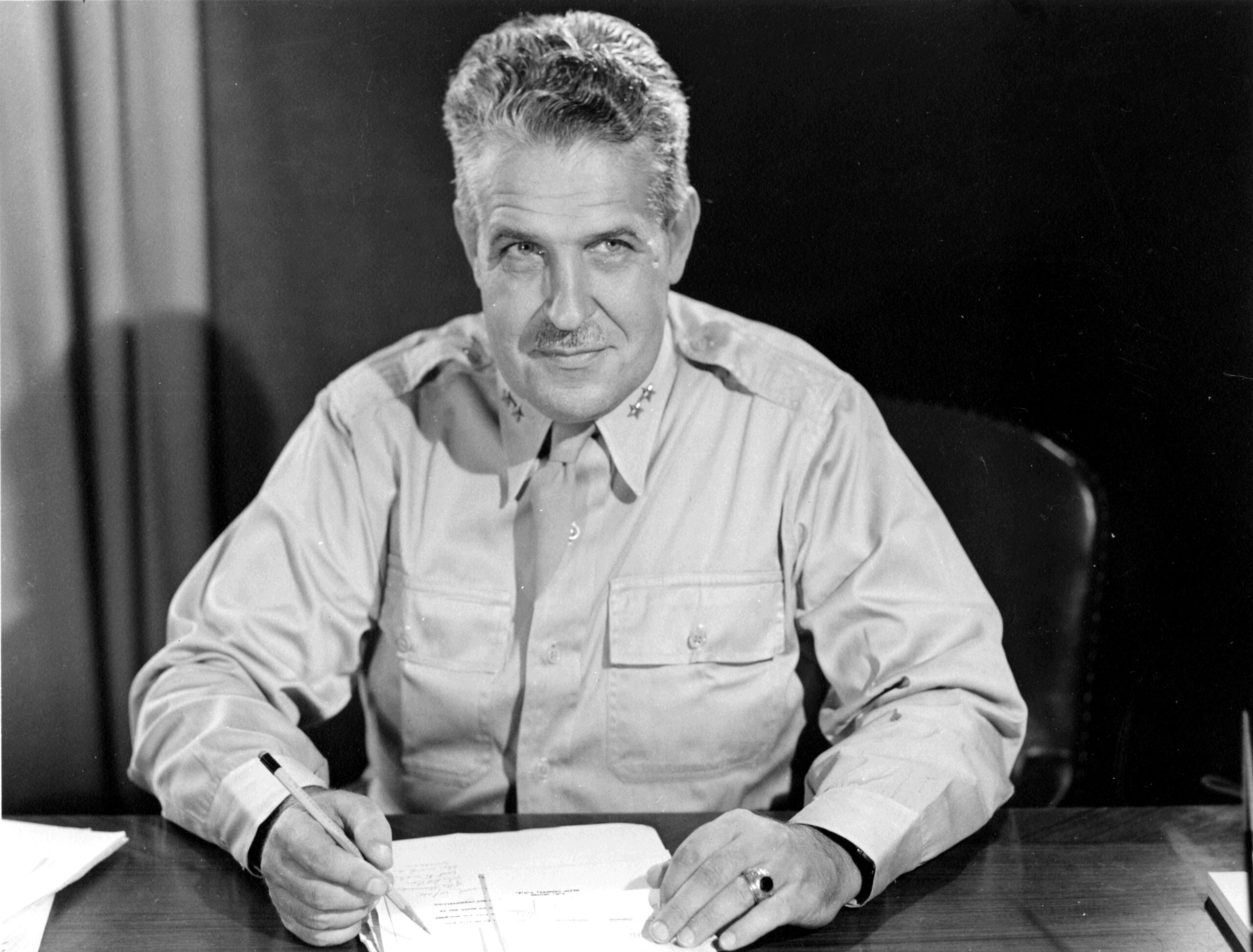
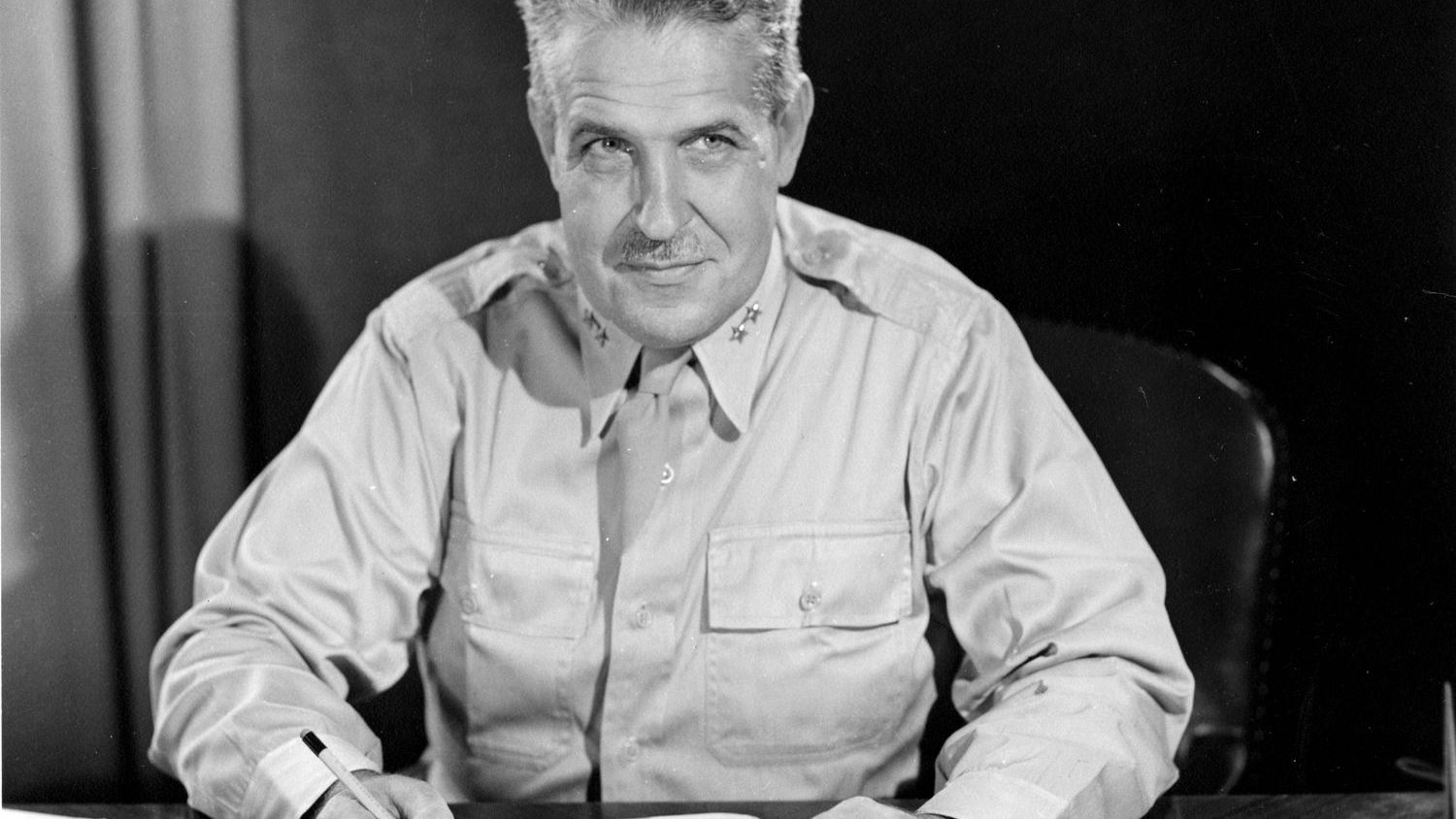
Groves amplified the degree of secrecy surrounding the project through his application of compartmentalization, which he considered “the very heart of security,” along with his own autonomous domestic and foreign intelligence and counterintelligence operations, making the Manhattan Project a virtual government agency of its own. His approach was uncompromising. No worker was told anything beyond the narrow scope of their own task.
Knowledge was compartmentalized. Workers were told only what they needed to know and were forbidden to discuss their jobs with anyone other than designated supervisors. Scientists, used to the free exchange of ideas, rebelled against this arrangement. Personnel at Oak Ridge constructed and operated centrifuges to isolate uranium-235 from naturally occurring uranium, but most did not know exactly what they were doing. Those that knew did not know why. Parts of the weapon were separately designed by teams who did not know how the parts interacted. The entire system was designed so that no single breach could expose everything. It didn’t quite work out that way.
Klaus Fuchs: The Spy Hidden in Plain Sight
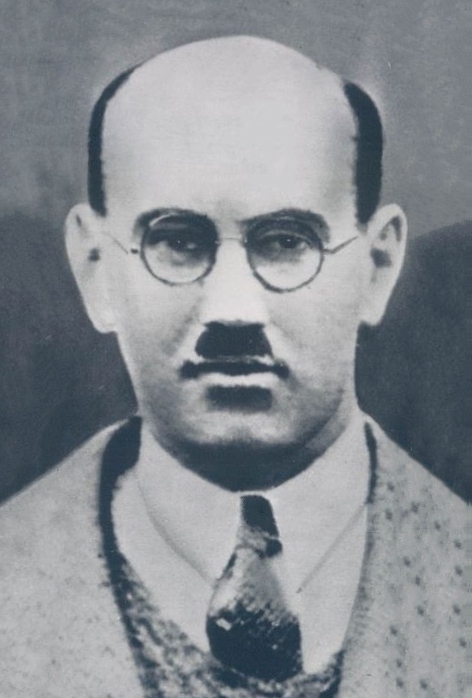
Dubbed the most important atomic spy in history, Klaus Fuchs was a primary physicist on the Manhattan Project and a lead scientist at Britain’s nuclear facility by 1949. He was a German theoretical physicist, atomic spy, and communist who supplied information from the American, British, and Canadian Manhattan Project to the Soviet Union during and shortly after World War II. His access wasn’t limited. It was extraordinary.
Fuchs was transferred to Los Alamos in August 1944, where he worked in the Theoretical Division under Hans Bethe and Edward Teller. There, he calculated the approximate energy yield of an atomic explosion, and specialized in researching implosion methods, focusing in particular on the “Fat Man” implosion bomb. He was present at the Trinity Test on July 16, 1945. The man who watched the world’s first atomic bomb detonate was simultaneously feeding its blueprints to the Soviet Union. Some experts estimate that Fuchs’ intelligence enabled the Soviets to develop and test their own atomic bomb one to two years earlier than otherwise expected.
Invisible Ink, Dead Drops, and the Courier Network
These methods included coded radio transmissions, microfilm hidden in everyday objects, dead drops in public locations, and personal couriers. The spy network around the Manhattan Project was not a single chain, but a web of individuals who often had no idea who else was working alongside them. That isolation was deliberate. If one link broke, the others would survive.
Fuchs’s main courier in the United States was Harry Gold, a chemist who lived in Philadelphia but was willing to travel to wherever Fuchs was. During this period, Fuchs was in contact with a GRU agent he knew only as “Raymond.” The agent was an American citizen called Harry Gold, codenamed GUS, who had been working for the Soviets since 1934. The two met in a number of locations, including New York City and Santa Fe, New Mexico, where Fuchs provided information on technical issues relating to the design of the atomic bomb. Gold was ultimately arrested in 1950 and sentenced to thirty years in prison, though he served about fifteen before his release.
The Tissue Box Gambit: Lona Cohen’s Most Dangerous Run

Lona Cohen served as a critical courier in the Soviet atomic espionage network, notably transporting classified Manhattan Project documents from physicist Theodore Hall in Albuquerque, New Mexico, in August 1945. Hall, a young Los Alamos scientist, provided sketches and details on the plutonium implosion design essential for the Nagasaki-type bomb, which Cohen concealed in a tissue box and smuggled past security by feigning confusion during a police check. It is one of the most remarkable acts of improvisation in the history of Cold War espionage.
After rendezvousing with Hall in Albuquerque and stuffing Hall’s sketch and documents under the tissues, Lona discovered that agents were searching and questioning train passengers. Posing as a hapless woman who had misplaced her ticket, she successfully distracted police, who handed her the “forgotten” box of tissues, whose secret papers she spirited to her Soviet handlers. The entire history of the Soviet nuclear program could have pivoted on that moment on a train platform. The Soviets would develop their first nuclear bomb based on the plans she carried out of Los Alamos.
Theodore Hall: The Youngest Spy at Los Alamos
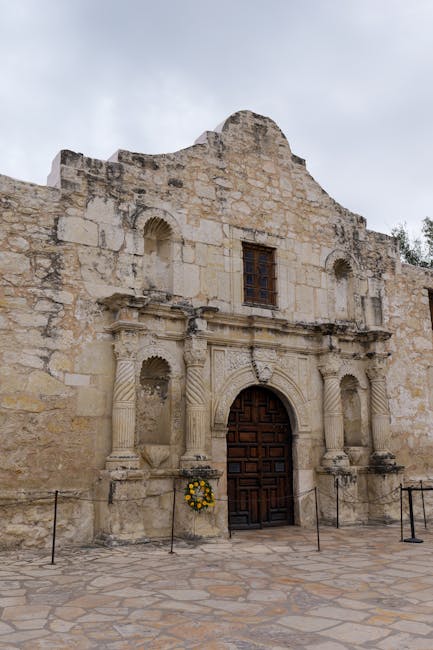
In 1944, Hall graduated from Harvard at the age of 18 and was the youngest scientist to be recruited to work on the Manhattan Project at Los Alamos. His motives were ideological rather than financial. He was a teenager who worked on the Manhattan Project in Los Alamos and believed that if the United States had a monopoly on the bomb, it would threaten global stability. Whether that reasoning was sincere or self-serving remains a matter of historical debate.
For nearly half a century, Fuchs was thought to have been the most significant spy at Los Alamos, but the secrets Ted Hall divulged to the Soviets preceded Fuchs and were also very critical. Hall’s spying was revealed in the 1990s by the National Security Agency’s declassification of the decrypted Venona cables. The intelligence he leaked included a valuable list of American and British scientists then working on the Manhattan Project. Up until the day he died in 1999 at the age of 74, Hall never fully admitted to undertaking espionage. When he did address the topic, he insisted that he had acted out of youthful idealism.
The Rosenbergs and the Chain That Collapsed
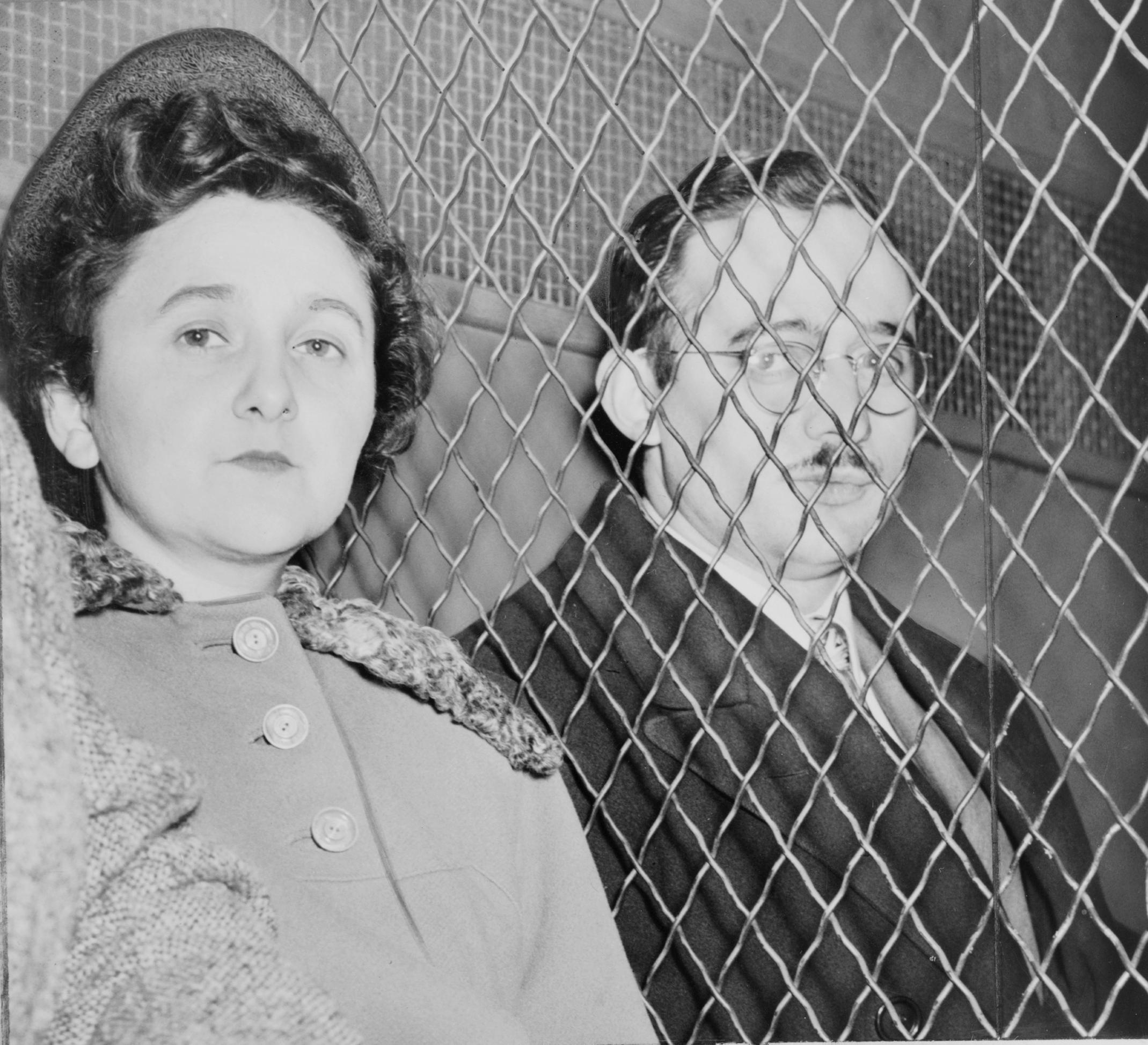
Julius and Ethel Rosenberg were an American couple tasked with recruiting potential Soviet spies. Among those recruited was Ethel’s brother, David Greenglass, a machinist at Los Alamos National Lab. Greenglass passed details about the Manhattan Project to Rosenberg, including information about the high-explosive lenses being developed for the implosion bomb. What Greenglass knew was relatively limited compared to what Fuchs or Hall had access to, but it was still deeply damaging.
Fuchs’s confession led to the discovery of spy Harry Gold, who served as his Soviet courier. Gold identified spy David Greenglass, a Los Alamos Army machinist. Greenglass identified his brother-in-law, spy Julius Rosenberg, as his control. Julius and Ethel Rosenberg were executed at Sing Sing Prison in New York on June 19, 1953. Their case became one of the most disputed legal episodes of the Cold War, and questions about the extent of Ethel’s direct involvement have continued to be examined by historians.
Venona: How the Code Breakers Finally Caught Up
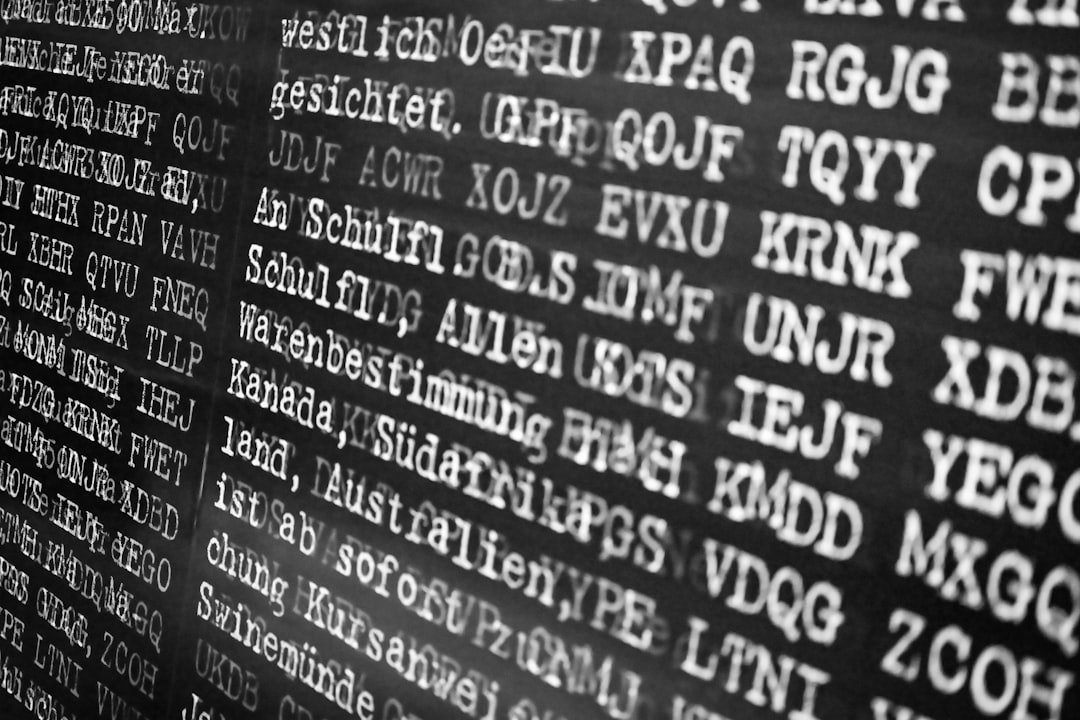
The Venona Project, begun in 1943, eventually decrypted thousands of Soviet intelligence messages. These decrypts provided irrefutable evidence of extensive Soviet espionage and identified numerous spies by their code names. However, the project remained secret until 1995, meaning much of the evidence could not be used in contemporary prosecutions. The full scope of what had been lost remained classified even as the Cold War intensified around it.
When the Soviets detonated their first atomic weapon in August 1949, it was a replica of the weapon built at Los Alamos and dropped by the Americans on Nagasaki. The four-year gap between America’s bomb and the Soviet detonation shocked Western intelligence agencies. Even now, nearly 80 years later, secrets about Soviet nuclear espionage are still emerging. One Soviet agent whose espionage was only recently revealed was George Koval, an American engineer who was drafted into the Manhattan Project, where he worked on polonium bomb initiators at a facility in Dayton, Ohio. Some of the names behind the most consequential leak in American history may still be unknown.
What the Leaks Actually Cost
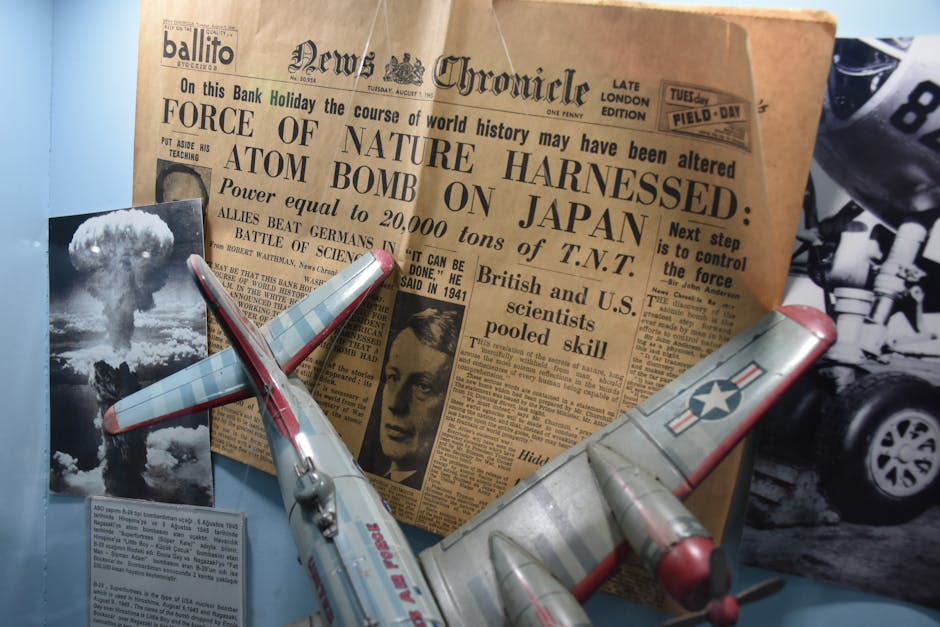
With all the stolen information, Soviet nuclear ability was advanced by several years at least. The precise number of years is still debated among historians, but the consensus points to a dramatic acceleration of the Soviet weapons program. The information that Fuchs was able to give the Soviet Union about the Manhattan Project was much more extensive, and much more technically precise, than that available from other, later-discovered atomic spies like David Greenglass or Theodore Hall.
The revelation of Fuchs’s espionage increased the rift between the United States and the United Kingdom on matters of atomic energy. Prior to it, the US and UK had been planning to collaborate more fully again on nuclear matters, something that had been put on hold after the passing of the Atomic Energy Act of 1946. The damage was not only strategic. It was diplomatic, institutional, and deeply personal for the scientists and officials who had believed their security measures were impenetrable. Despite the Manhattan Project’s own emphasis on security, Soviet atomic spies penetrated the program at nearly every level that mattered.
Conclusion: Secrets Hidden in Plain Sight
The Manhattan Project remains the most thoroughly infiltrated classified program in American history. The methods used to steal its secrets were rarely dramatic. They involved train rides, tissue boxes, street corner meetings, and ordinary objects repurposed as vessels for world-altering information. The spies themselves were often brilliant, conflicted people who believed they were doing something historically necessary.
What the tissue box incident reveals, more than anything else, is that no security system is proof against the determination of someone already inside it. The greatest vulnerabilities weren’t gaps in the fences at Los Alamos. They were the convictions held quietly by some of the people the project trusted most. Decades later, with many files still classified and some names still unknown, the full story of what leaked out of the Manhattan Project remains unfinished.