

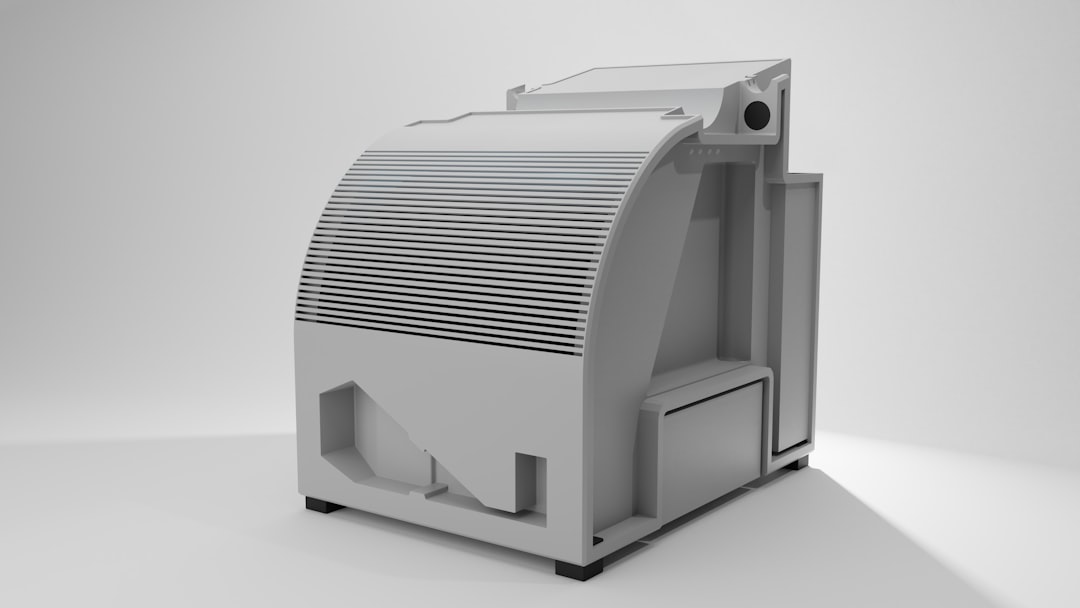
7 best dehumidifiers for damp environments, mold and mildew, per an allergist – Image for illustrative purposes only (Image credits: Unsplash)
Humidity above 50 percent allows mold, mildew, and dust mites to thrive indoors. Experts in allergy care have long pointed to moisture control as a practical step for healthier homes. Recent guidance emphasizes dehumidifiers as a direct way to address these conditions in basements, bathrooms, and other prone areas.
Why Excess Moisture Matters
Damp environments trigger respiratory issues for many people. Mold spores and dust mites multiply quickly when relative humidity stays high. This pattern affects homes with poor ventilation or past water damage most often.
Stakeholders include families with allergy sufferers and property owners seeking to protect structures. Unchecked moisture can lead to costly repairs over time. Early action limits both health and maintenance burdens.
How These Units Work in Practice
Dehumidifiers pull water from the air and collect it in a tank or drain it away. They maintain target humidity levels without over-drying the space. Models sized for the room volume deliver steady results when used consistently.
Placement near the dampest spot improves efficiency. Regular emptying or connection to a permanent drain keeps the unit running without interruption. Energy use stays reasonable on certified models during continuous operation.
Features That Deliver Results
Buyers should match capacity to the space size. Built-in humidistats allow precise settings around 45 to 50 percent. Auto-shutoff and continuous drain options reduce daily tasks.
Quiet operation suits bedrooms and living areas. Energy Star ratings help control electricity costs. Washable filters simplify upkeep compared with frequent replacements.
Steps to Get Started
Measure current humidity with a simple gauge first. Select a unit rated for the square footage involved. Position it on a flat surface and set the desired level.
Monitor performance over the first week. Adjust settings based on readings and comfort. Combine the device with better ventilation habits for longer-term control.
Consistent use turns damp rooms into more comfortable, allergen-reduced environments. Homeowners who act now often notice clearer air and fewer related concerns within weeks.