

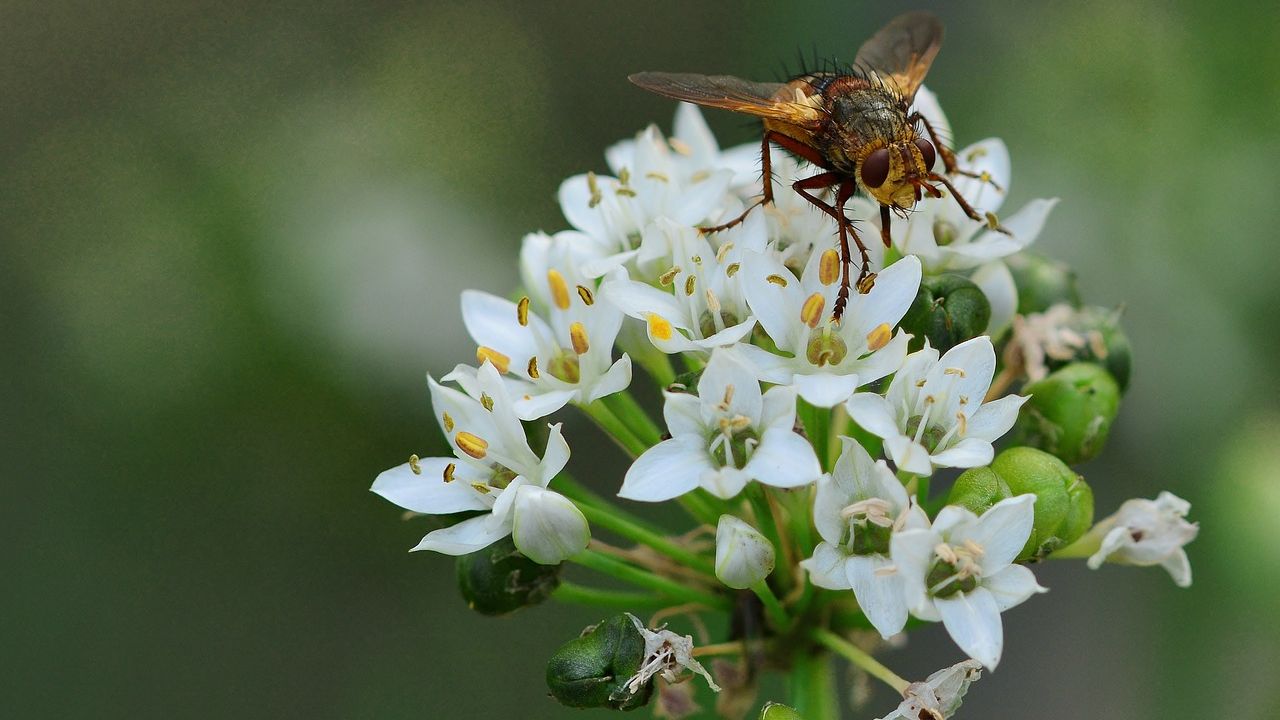
Garlic: Culinary Staple, Birth Control for Flies – Image for illustrative purposes only (Image credits: Pixabay)
Recent research from Yale University shows that a sulfur compound found in garlic can completely suppress mating and egg-laying in fruit flies and mosquitoes. Published in the journal Cell, the study emerged from a broader screen of plant compounds and their effects on insect behavior. The results suggest a new way to understand how common foods might influence pest reproduction without relying on synthetic chemicals.
Screening Plants for Behavioral Clues
A team led by molecular biologist John Carlson set out to test whether certain plants could alter the mating habits of fruit flies. Researchers expected some compounds to act as stimulants. Garlic produced the opposite effect, shutting down copulation and egg production entirely in the tested insects. The same pattern held when the team expanded the experiments to mosquitoes and other fly species. The work began with simple exposure tests using garlic purée. Once the active component was isolated, the researchers confirmed that even small amounts triggered a full reproductive shutdown. This consistent outcome across multiple species pointed to a shared biological mechanism rather than a random response.
How the Compound Reaches the Brain
The responsible molecule is diallyl disulfide, which forms when garlic is crushed or chopped. Flies detect it through a specific taste receptor called TrpA1 located in their sensory organs. Activation of this receptor sends a bitterness signal to the brain, which in turn alters the expression of genes tied to mating and egg-laying. Unlike the volatile smell that humans notice, the effect on insects stems from direct contact with the compound. The receptor essentially interprets the garlic signal as a warning that overrides normal reproductive drives. This taste-based pathway explains why the inhibition occurs rapidly and reliably once the flies encounter the substance.
Potential for Natural Pest Management
Because the compound already exists in a widely available food, it could support development of targeted, low-impact repellents or breeding disruptors. Current chemical controls often carry environmental drawbacks; a garlic-derived option might reduce those concerns while remaining effective against disease-carrying insects. The study recorded complete mating inhibition in several trials, underscoring the strength of the response. Still, translating these lab results into field applications will require additional testing on dosage, stability, and non-target species.
What matters now
The receptor mechanism offers a clear target for future compounds that mimic or enhance the garlic effect. Researchers can now explore whether similar plant molecules produce comparable results in other pests.
Remaining Questions and Next Steps
The findings leave open how long the reproductive suppression lasts after exposure and whether repeated contact produces lasting changes in fly populations. Field conditions, including temperature and competing food sources, may also modify the outcome. Further work will examine whether the same receptor operates in additional insect groups and how the compound interacts with existing control strategies. These details will determine whether garlic-based approaches move beyond the laboratory into practical use. The discovery illustrates how routine kitchen ingredients can reveal unexpected biological levers. Continued investigation may turn this observation into a practical tool for managing insect populations in a more measured way.