

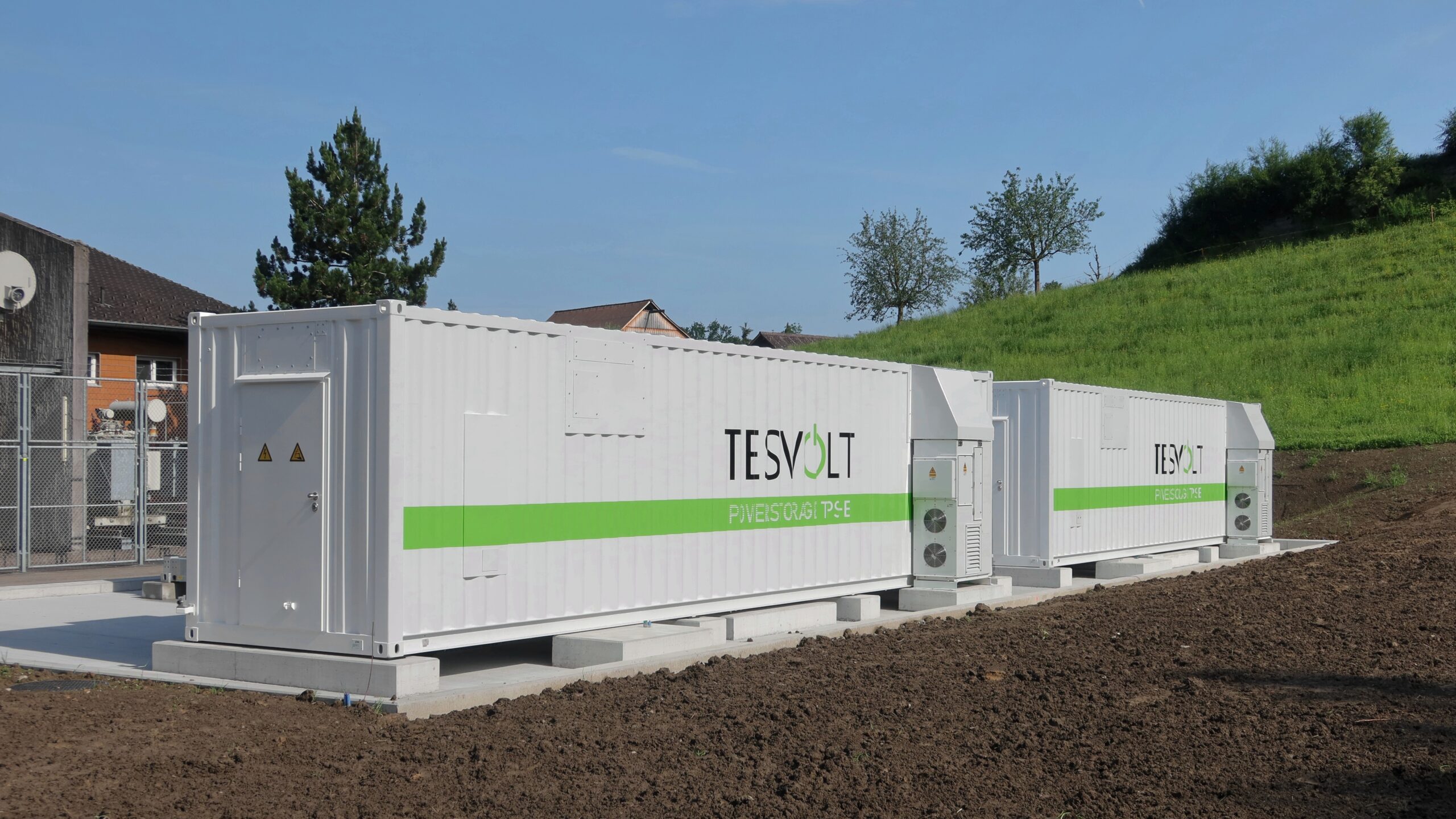
The world is installing grid batteries at a blistering pace – Image for illustrative purposes only (Image credits: upload.wikimedia.org)
Installations of grid-scale batteries rose sharply in 2025. The total added capacity reached 112 gigawatts, a 48 percent increase from the previous year. BloombergNEF compiled the figures, which show storage systems catching up with the earlier wave of solar projects. These batteries hold electricity generated during peak sunlight hours for use when demand rises or the sun sets.
The Scale of Recent Additions
The 48 percent jump marks one of the fastest annual gains recorded for any major energy technology. One hundred twelve gigawatts equals enough storage to power tens of millions of homes for several hours. Most of the new units pair directly with solar farms, allowing operators to shift daytime output into evening peaks. The data cover utility-scale projects only and exclude smaller residential systems.
Analysts note that battery costs have fallen steadily, which helped accelerate deployments. Supply chains for lithium-ion cells expanded in parallel, reducing wait times for new projects. Regional differences remain large, with the strongest growth concentrated in markets that already lead in solar capacity.
Why Storage Matters After Solar
Solar generation often peaks when electricity demand is lower. Without storage, excess power must be curtailed or sold at very low prices. Batteries solve this mismatch by capturing the surplus and releasing it later. The result is higher overall utilization of renewable resources and fewer fossil-fuel plants needed during evening hours.
Grid operators also value batteries for rapid response services. A single large installation can stabilize frequency within seconds, a task once handled mainly by gas turbines. This flexibility supports higher shares of variable wind and solar without compromising reliability.
Remaining Limits and Open Questions
Even with the recent surge, battery storage still represents a small fraction of total grid capacity in most countries. Long-duration technologies that can hold power for days rather than hours remain expensive and limited in scale. Supply-chain constraints for critical minerals could slow future growth if demand continues to rise quickly.
Policy support varies widely. Some regions offer direct incentives or streamlined permitting, while others rely on market prices alone. How these differences affect deployment rates over the next several years is not yet clear from current data.
Next Steps for the Sector
Project developers are already signing contracts for 2026 and beyond at volumes that exceed last year’s totals. Research continues on alternative chemistries that could lower costs or extend duration. Grid planners are updating models to reflect the new storage levels when setting reliability targets.
The 2025 numbers confirm that battery deployment has moved from early demonstration to mainstream infrastructure. Whether the pace holds will depend on continued cost declines, mineral availability, and consistent policy signals across major markets.