

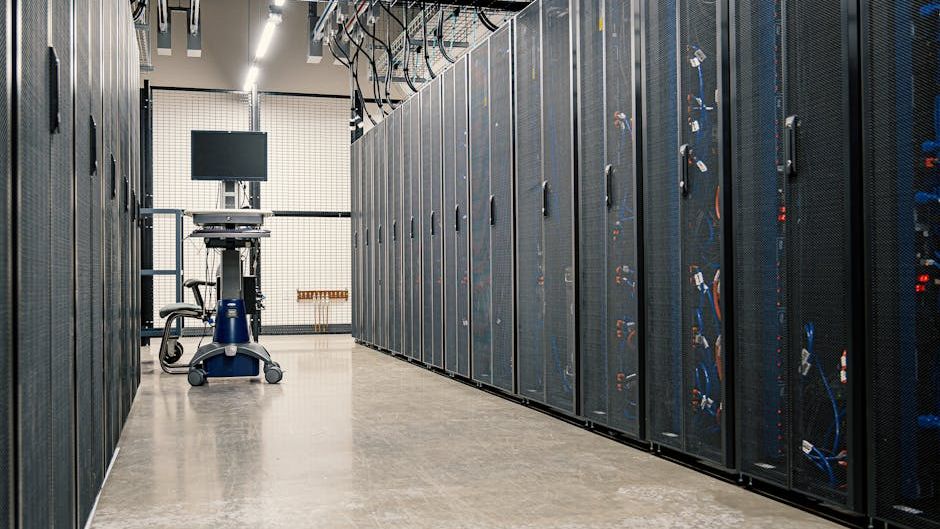
Elon Musk’s xAI adds more unpermitted gas generators for data centers – Image for illustrative purposes only (Image credits: Pexels)
Southaven, Mississippi – Elon Musk’s xAI has more than doubled the number of natural gas generators operating without permits at its local data center. The increase marks a notable expansion of the facility’s backup power setup since operations began in the area. Local reporting indicates the generators remain unchecked by state environmental authorities.
Scale of the Generator Expansion
The additional units bring the total count well beyond the original installation. Each generator runs on natural gas and serves as an on-site power source for the data center’s computing demands. The growth reflects the rapid scaling typical of large AI infrastructure projects, where consistent electricity supply is essential to avoid downtime.
State records show the new generators were added without the required environmental permits. This approach bypasses standard review processes that normally assess air quality impacts and emissions controls. The unchecked status leaves questions about compliance with Mississippi’s air pollution regulations.
Regulatory and Environmental Context
Data centers of this size often rely on backup generators during grid outages or peak loads. Natural gas units provide quick-start capability, yet they release carbon dioxide and other pollutants when running. Without permits, oversight of emission levels and fuel efficiency standards is limited.
Environmental agencies typically require documentation of expected runtime, maintenance schedules, and pollution controls before approving such equipment. The absence of these steps at the Southaven site has drawn attention from observers tracking industrial development in the region. The situation highlights ongoing tensions between rapid technology growth and traditional permitting timelines.
Broader Implications for AI Infrastructure
Facilities like xAI’s require enormous amounts of reliable power to train and run advanced models. Backup systems become critical when utilities face strain from rising demand. The choice of natural gas generators offers a practical short-term solution, though it carries measurable climate trade-offs compared with cleaner alternatives.
Industry analysts note that similar projects elsewhere have faced delays while securing permits. The Southaven expansion illustrates how some operators prioritize speed over full regulatory alignment. Future expansions at the site could face additional scrutiny if the current pattern continues.
Key point: The number of unpermitted generators has more than doubled, raising questions about emissions oversight at one of the region’s largest AI projects.
Local officials have not yet issued public statements on enforcement actions. The facility continues to operate while the regulatory status of the new units remains unresolved. This development adds to wider discussions about how AI companies balance growth with environmental accountability.