

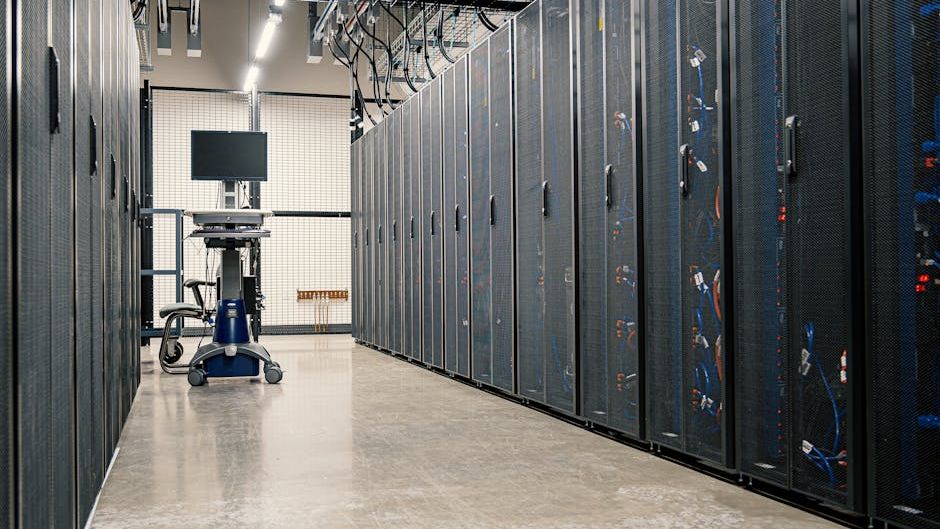
An Outpouring of Frustration Over Pennsylvania’s Rapid Data Center Growth – Image for illustrative purposes only (Image credits: Pexels)
Pennsylvania has seen a sharp increase in proposals for large data centers in recent years, driven by demand for cloud computing and artificial intelligence infrastructure. An online town hall meeting held recently captured the depth of local unease, with participants highlighting gaps in how the state oversees these projects. Speakers described a pattern of limited public information and strong government backing for the industry, leaving communities with little say in decisions that affect their regions.
Signs of Growing Local Resistance
The town hall served as one clear indicator of mounting pushback against the pace of data center construction across the state. Attendees voiced worries that rapid approvals could outstrip the ability of local infrastructure to keep up. Discussions centered on how such facilities draw significant resources, yet details about their long-term effects remain hard to access for ordinary residents.
Many participants noted that the state appears eager to attract these developments without sufficient checks. This approach, they argued, risks prioritizing economic gains over balanced planning. The meeting underscored a broader sense that communities are being left to react after key choices have already been made.
Transparency Shortfalls in State Oversight
One recurring theme at the gathering was the lack of clear information available to the public about proposed data centers. Residents pointed out that project details often surface late in the process, limiting opportunities for meaningful input. Without earlier disclosure, they said, it becomes difficult to assess potential strains on water supplies, electricity grids, or nearby neighborhoods.
State support for the sector adds another layer of concern. Officials have promoted data centers as job creators and economic boosters, yet the town hall revealed skepticism about whether those benefits are being weighed against other costs. Participants called for clearer guidelines that would require developers to share more data upfront.
Balancing Growth With Community Needs
While data centers represent a growing part of the modern economy, the Pennsylvania experience shows how quickly expansion can generate friction. The town hall illustrated that residents want more involvement in shaping where and how these facilities are built. This desire stems from a wish to protect local quality of life rather than halt progress outright.
Observers at the meeting suggested that improved communication from state agencies could ease tensions. They emphasized the value of open forums where concerns can be aired before projects advance too far. Such steps, they noted, might help align development with the realities faced by towns and counties.
What Comes Next for Pennsylvania
The recent gathering points to a need for ongoing dialogue between officials, developers, and residents. As more proposals surface, the state may face pressure to refine its approach to permitting and review. This could involve stronger requirements for public notice and environmental assessments.
Ultimately, the episode reflects a wider national conversation about managing technology infrastructure growth. Pennsylvania’s experience offers one example of how communities are responding when they feel sidelined. Continued attention to these issues will likely shape how the sector evolves in the state over the coming years.