

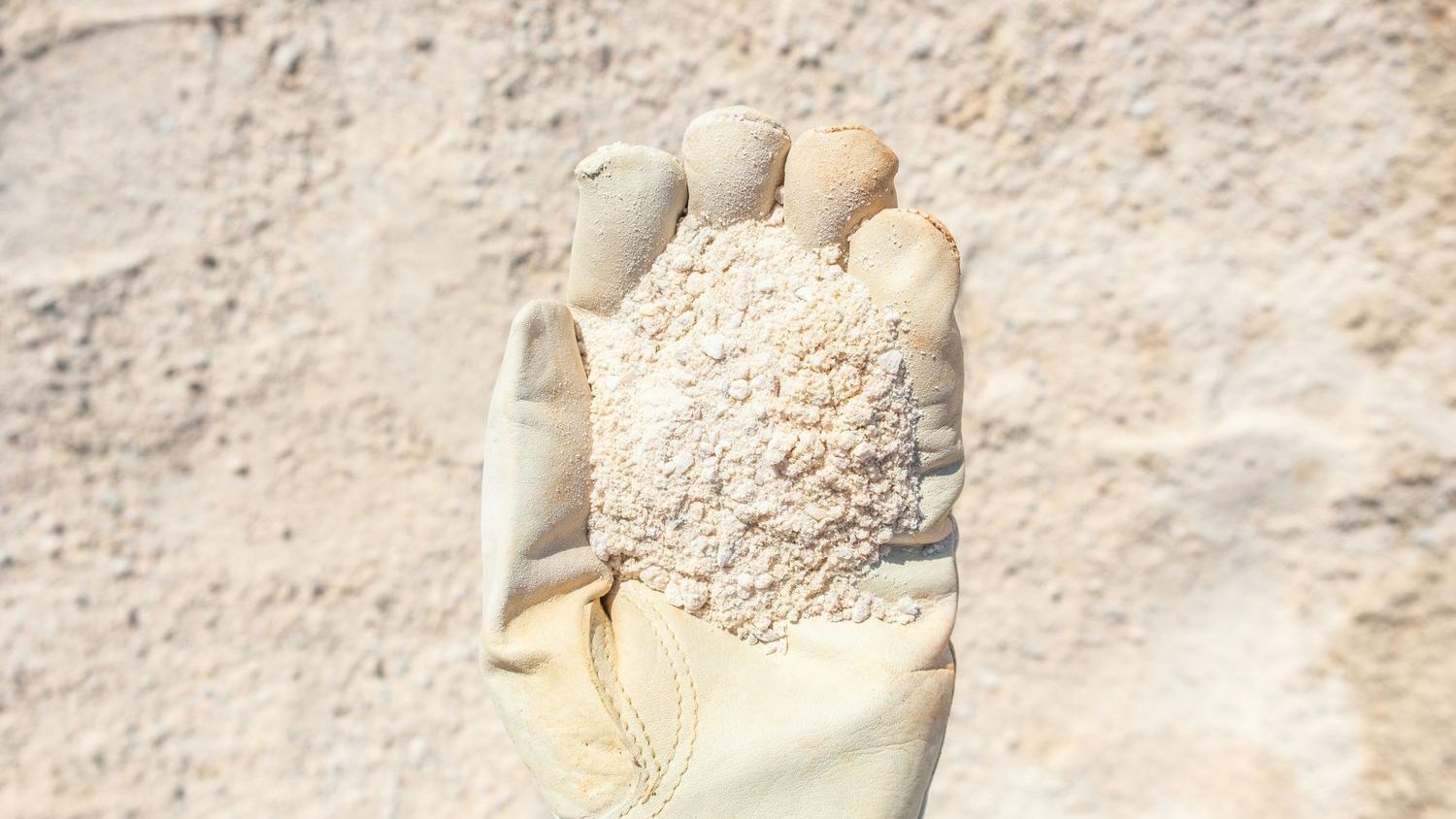
Astronauts who walked on the moon reported that the dust tracked back into the lunar module smelled like spent gunpowder, and more than fifty years later scientists still cannot fully explain why, though the leading theory involves regolith that had sat undisturbed in vacuum for four billion years suddenly meeting oxygen and moisture inside the cabin for the first time. – Image for illustrative purposes only (Image credits: Unsplash)
Every astronaut who stepped onto the lunar surface and later returned to a sealed spacecraft noticed the same unexpected scent once the cabin repressurised. The odour emerged only after helmets came off and dust from the suits and equipment mixed with the cabin air. More than five decades later, researchers still lack a complete chemical explanation for the phenomenon, even though the leading idea centres on particles that spent billions of years in vacuum before encountering oxygen and moisture for the first time.
Astronaut Accounts of the Odour
Descriptions from the crews converged on a handful of familiar comparisons. Apollo 17 geologist Jack Schmitt noted the smell within minutes of repressurisation and likened it directly to spent gunpowder. Buzz Aldrin recalled the scent of burnt charcoal or fireplace ashes after water had been sprinkled on them. Charlie Duke of Apollo 16 and Gene Cernan of Apollo 17 offered similar recollections of a sharp, distinct aroma that appeared as soon as the cabin was sealed again.
The crews had trained extensively for other aspects of the lunar environment. None had anticipated this particular sensory detail. The dust itself produced no odour on the surface, where the lack of atmosphere prevented any molecules from reaching a nose. The reaction occurred only inside the pressurised module.
The Dangling-Bonds Hypothesis
Planetary scientist Larry Taylor, who supported Apollo 17 operations, proposed that the regolith particles carry unsatisfied chemical bonds created by constant meteoroid bombardment. On Earth, such broken bonds would quickly attach to oxygen or water. On the Moon, in the absence of an atmosphere, the bonds remain available for far longer periods.
When the dust entered the cabin, those bonds encountered oxygen and water vapour. The rapid reactions that followed released compounds the human nose interpreted as gunpowder. Schmitt later endorsed a related view, pointing to a range of unsatisfied electron bonds similar to those found in freshly fired gunpowder. The idea remains the most widely cited account, though it has never been reproduced in controlled laboratory conditions.
Why Returned Samples Stay Odourless
Lunar material brought back by the Apollo missions has never produced the same smell when examined on Earth. NASA stores the samples in nitrogen-purged cabinets that maintain slightly higher pressure than the surrounding room. This protocol prevents any contact with terrestrial air that could trigger the very reactions suspected of creating the cabin odour.
Any fragment exposed long enough for a sniff test would already have reacted with the atmosphere. Alternative explanations, such as solar-wind compounds or nanophase iron on grain surfaces, have been discussed over the years, yet none has displaced the dangling-bonds account as the primary working model.
Relevance to Future Lunar Operations
The same surface reactivity that may explain the smell also raises practical concerns for longer missions. Sharp, chemically active particles can affect suit seals, air filters, and human tissue. Artemis planners and commercial teams now treat dust management as a core engineering requirement rather than a minor detail.
Cabin filtration systems, airlock procedures, and medical monitoring protocols all incorporate lessons from the Apollo experience. Until new crews return from the surface and report their own observations, the gunpowder description stands as one of the few direct sensory records of fresh lunar material inside a spacecraft.