
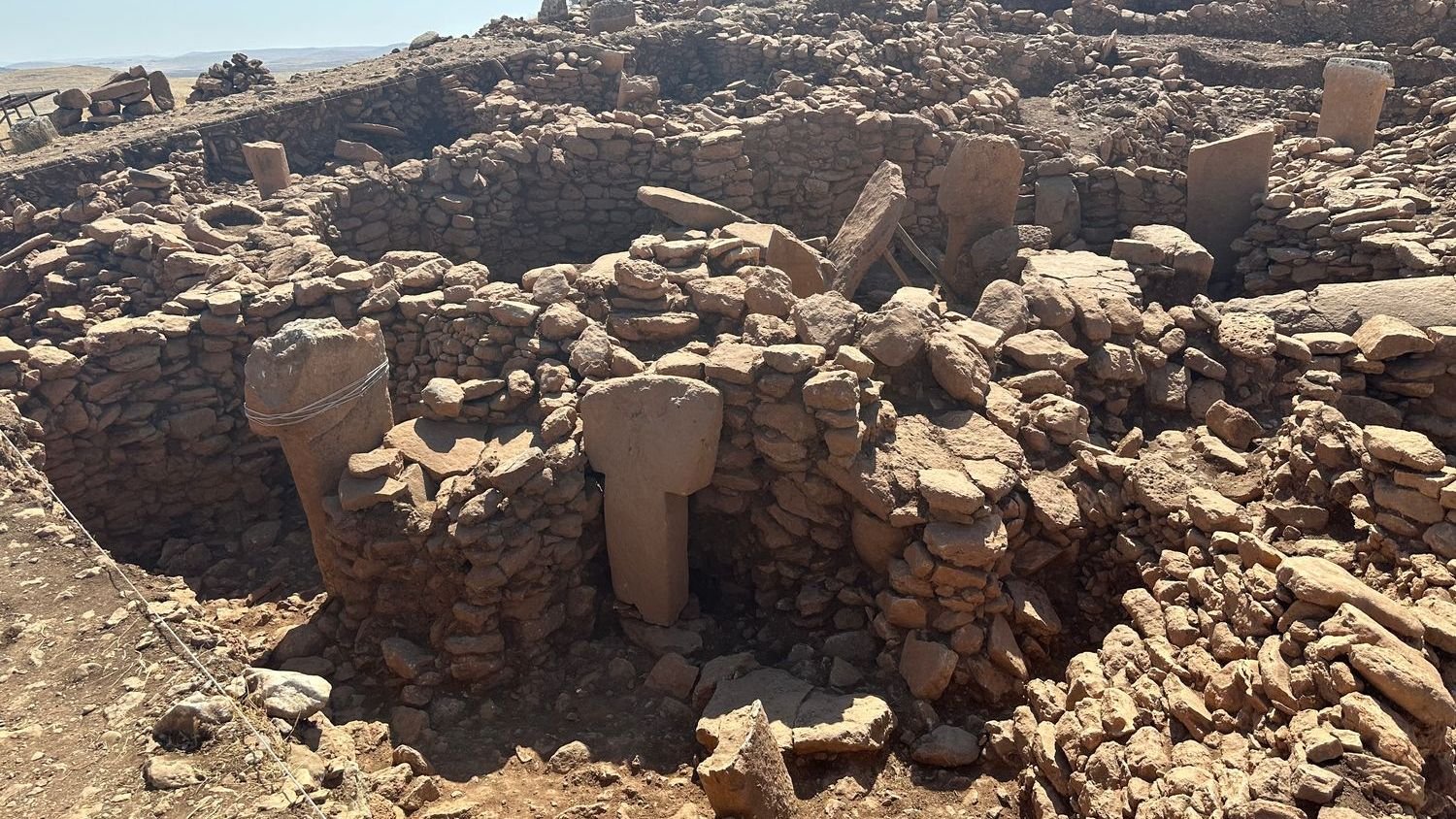

There’s a site in southeastern Turkey that keeps archaeologists awake at night. Not because it’s disturbing, but because it simply refuses to be fully explained. Every excavation season brings something new, something unexpected, something that quietly rewrites a chapter of human history we thought we already understood.
Karahantepe is not Göbekli Tepe, although the two are often mentioned in the same breath. It’s something else entirely. A place where ancient builders made decisions so deliberate, so layered, that modern researchers are still trying to decode what it all means. Some call it mathematical architecture. Some whisper about patterns too precise to be accidental. The truth, as always, is more nuanced – and far more fascinating. Let’s dive in.
A Site That Shouldn’t Exist – Yet Here It Is
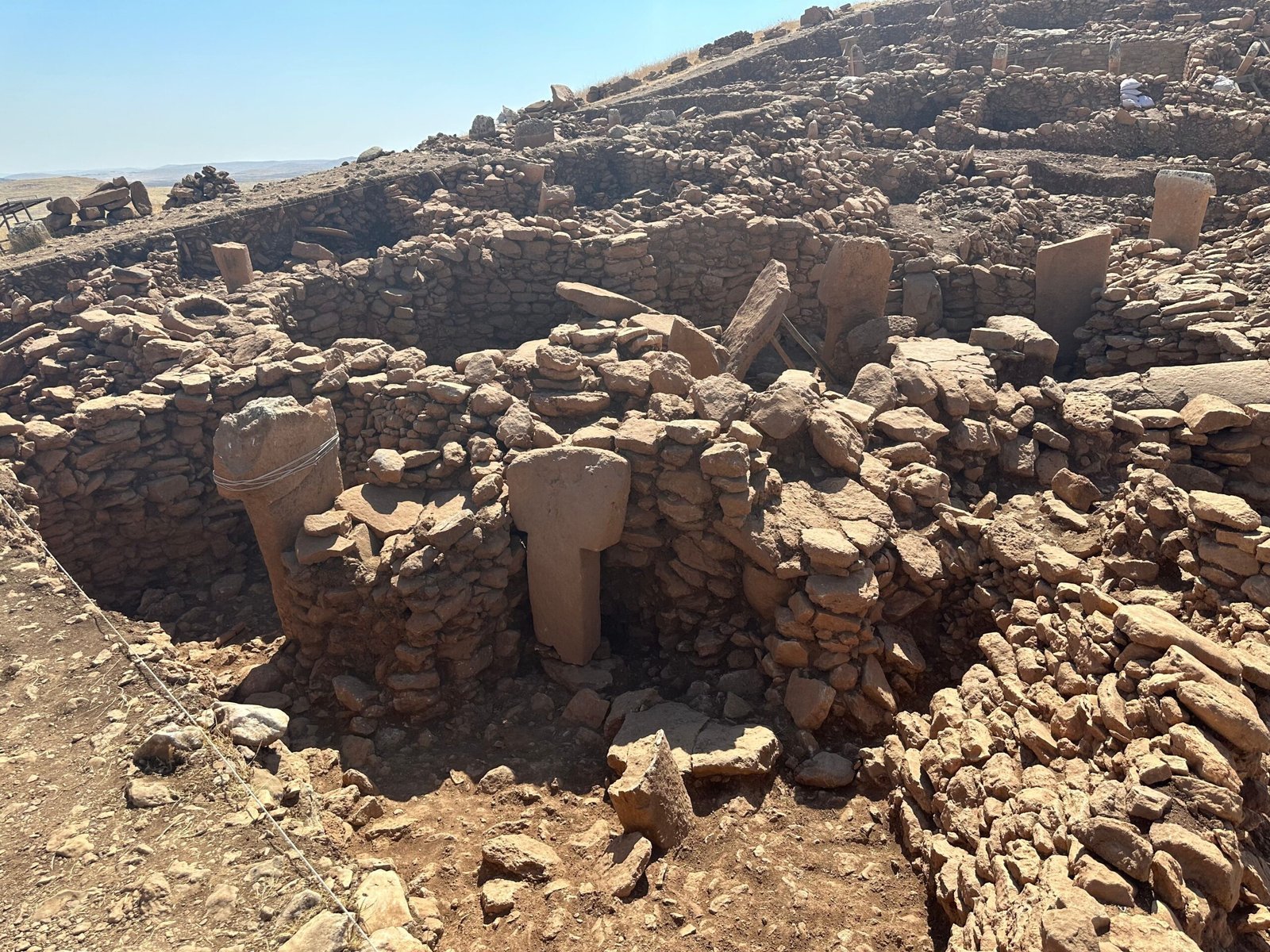
Karahantepe is a Pre-Pottery Neolithic archaeological site in Şanlıurfa, Turkey, sitting in the same geographical region as Göbekli Tepe, where archaeologists have also uncovered T-shaped stelae and believe the two sites are deeply related. That alone sounds significant. But here’s the thing: this was a fully organized, architecturally complex settlement that predates pottery, predates writing, and predates agriculture as we know it.
Karahantepe dates to about 9,500 BCE and covers about 10 hectares. Some archaeologists even suspect it could be older than Göbekli Tepe itself. Think about that for a second. These weren’t wandering nomads huddling for warmth. They were builders, planners, artists. And they were doing all of this roughly eleven and a half thousand years ago.
The Taş Tepeler Project: Archaeology on a Grand Scale
The Şanlıurfa Neolithic Research Project, known as Taş Tepeler, involves comprehensive archaeological research across 12 sites in southeastern Turkey, including Göbekli Tepe, Karahantepe, Gürcütepe, Sayburç, Çakmaktepe, Harbetsuvan, Sefertepe, and others. This isn’t a solo dig. It’s a coordinated, multinational effort to understand one of humanity’s most pivotal turning points.
As of 2025, the project involves 219 scientists and students across 36 academic institutions, including 21 international partners. That scale of collaboration is remarkable. It signals just how seriously the global archaeological community is taking what’s being found in this corner of Anatolia. The findings, it seems, are too important to leave to one team.
Over 250 Stone Pillars – and a Layout That Raises Questions
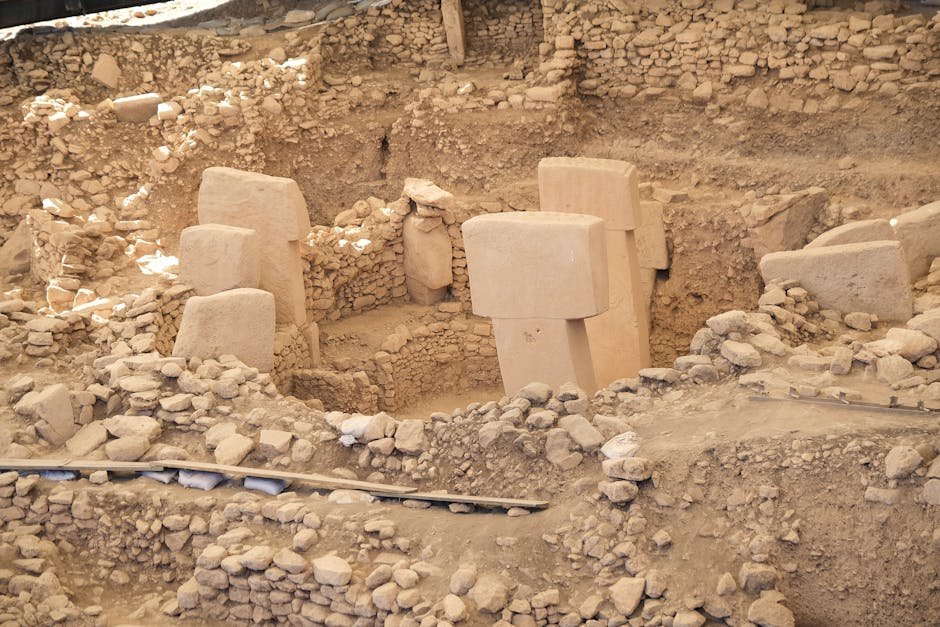
Karahantepe has more than 250 T-shaped megalithic blocks, similar to those at the UNESCO World Heritage site of Göbekli Tepe. Two hundred and fifty. That’s not a handful of standing stones. That’s a full architectural language, expressed in limestone and effort. The sheer number tells you there was organizational intent behind all of it.
Karahantepe’s circular rooms were planned out in advance, with the skilful processing of bedrock revealing what researchers call an impressive prehistoric architectural engineering. Sacred and secular spaces were built simultaneously, where humans dwelled year-round for about 1,500 years, and no remnants of farmed vegetation have been found. Let that sink in: a permanent settlement, occupied continuously for fifteen centuries, with no farming. The architecture preceded agriculture.
The Pillar Shrine: A Chamber Unlike Anything Else
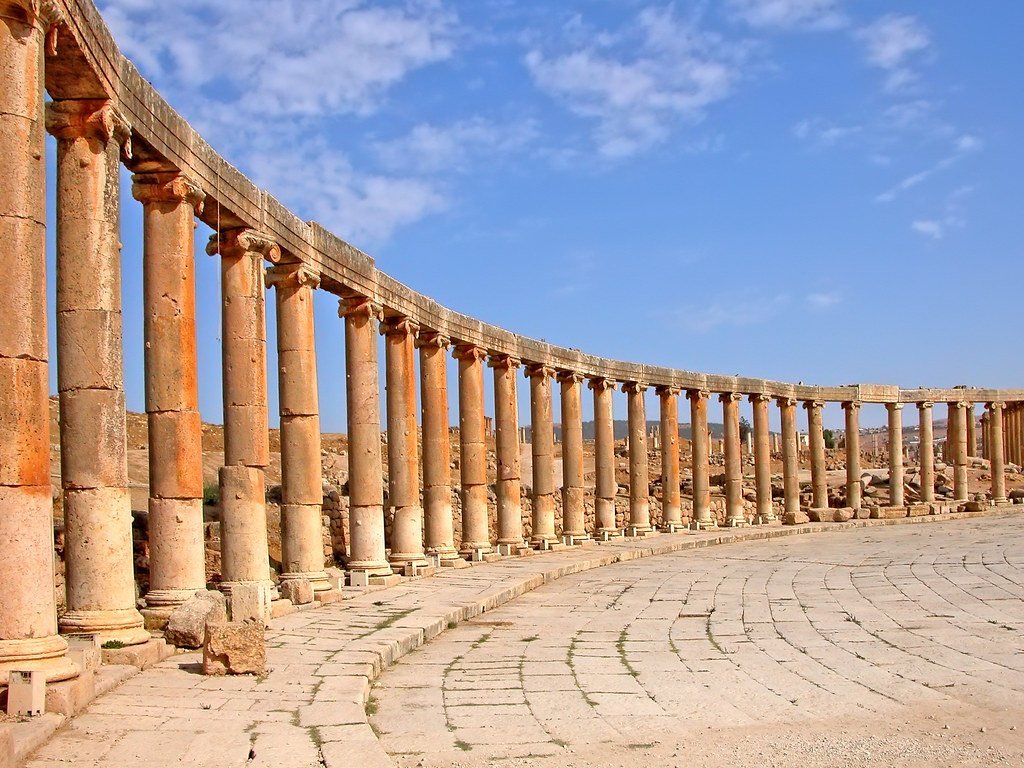
In 2021, the remarkable “Pillar Shrine” was fully excavated – a semi-subterranean chamber with 11 T-shaped pillars surrounding a central figure, unlike anything found at Göbekli Tepe or elsewhere. That phrase – “unlike anything found” – is used carefully in archaeology. It isn’t thrown around lightly. This chamber was a deliberate design statement, not an accident of construction.
In a time long before cities, writing, or fully developed farming, these architectural steps suggest that people were already designing complex environments. The discovery offers a rare glimpse into how the first monumental spaces may have guided ritual, gathering, and experience – hinting that the origins of architecture begin not with shelter, but with intention. Honestly, that reframing is extraordinary. Architecture as ritual intention. Not protection from rain, but a stage for meaning.
A Face in the Stone: The 2025 Discovery That Stunned Experts
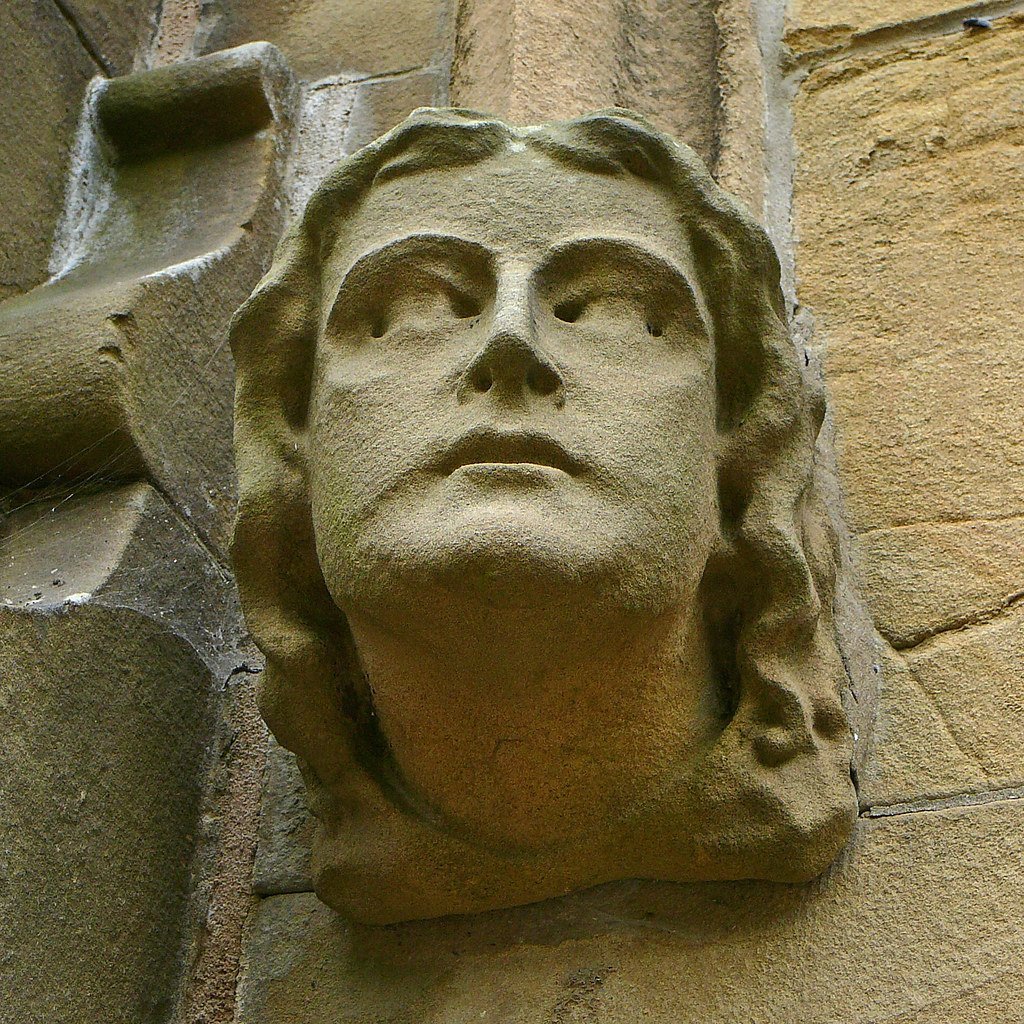
Karahantepe has been named one of the world’s top 10 archaeological discoveries of 2025 by Archaeology Magazine, a recognition that places the site at the center of renewed global debate over the origins of settled life. That kind of recognition doesn’t happen for routine finds. Something genuinely new was uncovered this season.
One of the headline finds is a stone monument carved with a three-dimensional human face – a feature never before documented on the T-shaped pillars that define several Neolithic sites in the region. These pillars have long been interpreted as stylized representations of human figures, yet until now, none had displayed facial details. Archaeologists describe the sculpture’s sharp contours, deep eye sockets, and blunt nose as stylistically consistent with earlier Karahantepe statues. It’s as if the builders finally decided to drop the abstraction and just show us who they were memorializing.
The ‘Corpse Statue’ and What It Tells Us About the Mind Behind the Stones
A 2.3-meter-high human statue, described as one of the most impressive examples of prehistoric art with a realistic facial expression, was found fixed to the ground on a bench. It emphasizes the ribs, spine, and shoulder bones – reminiscent of a dead person. This is not decorative carving. This is something with a message. A symbolic intention so specific that whoever made it had a clear idea of what death looked like and what role it should play in this space.
Archaeologists emphasize that the presence of such detailed carvings indicates a complex cognitive world. The act of sculpting a human face on a monumental stone suggests self-awareness, social hierarchy, and perhaps early forms of storytelling or worship. It’s hard not to be moved by that thought. Before language was written down, before laws existed, before cities, someone in Anatolia was already wrestling with how to represent the human form in stone – and what that representation meant.
Mathematical Architecture or Something More: What the Evidence Actually Says
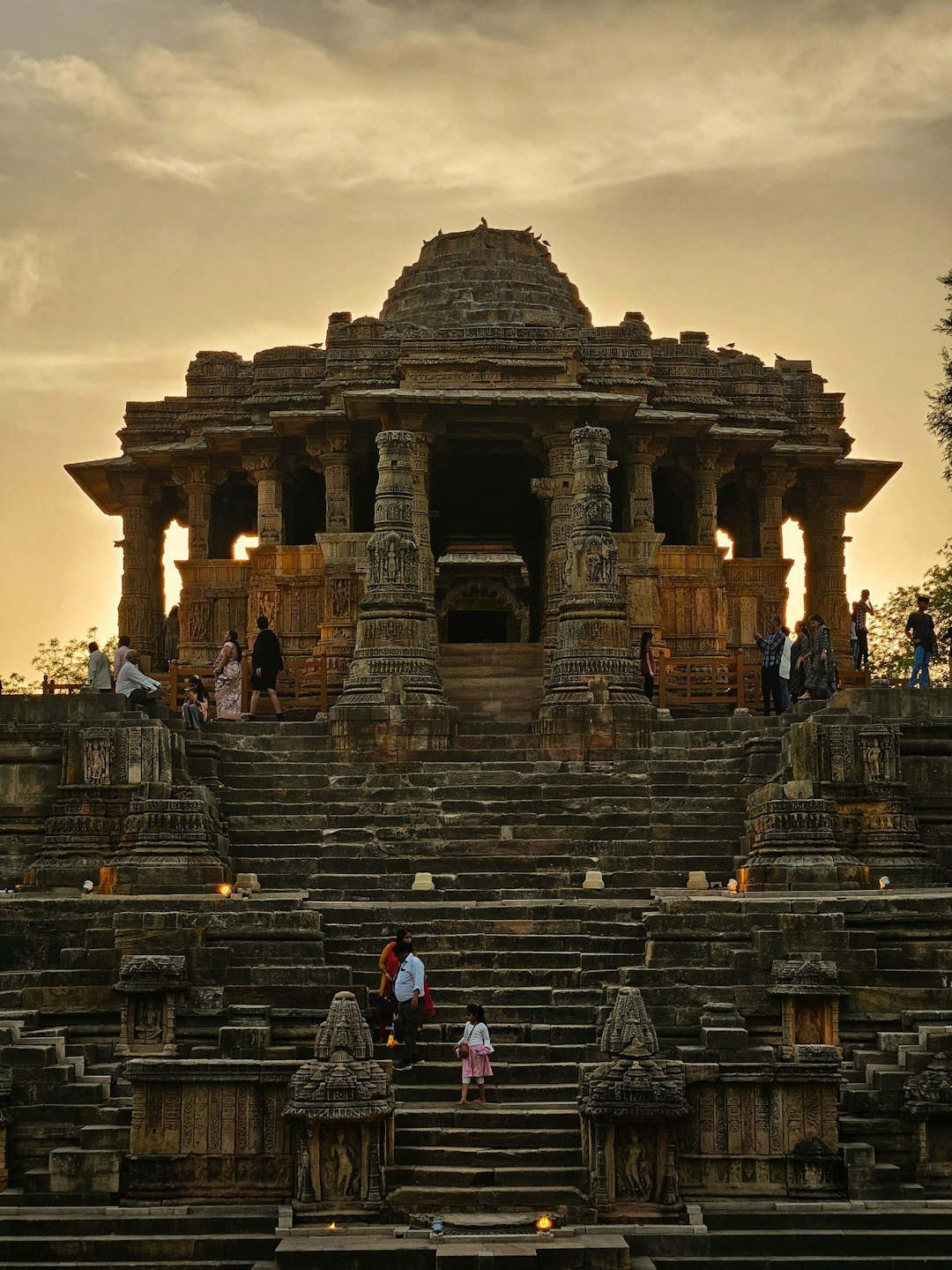
The discoveries at Taş Tepeler sites reinforce the view that the region functioned as a dynamic laboratory of symbolic experimentation between 10,000 and 12,000 years ago. The patterns here are real. The spatial planning is real. Yet it’s important to stay grounded about what the evidence actually supports.
Researchers emphasize that while the layout appears structured and intentional, interpretations such as “binary code” or mathematically encoded systems remain hypotheses rather than proven conclusions. By bringing together excavation data, laboratory-based analyses, and conservation work, the project aims to build a more connected picture of how early human communities lived, built, and expressed belief systems long before written history. The architecture clearly reflects ordered thinking. Whether it encodes something like a mathematical system is a question that remains honestly open.
Only Five Percent Excavated: The Real Story Is Still Underground
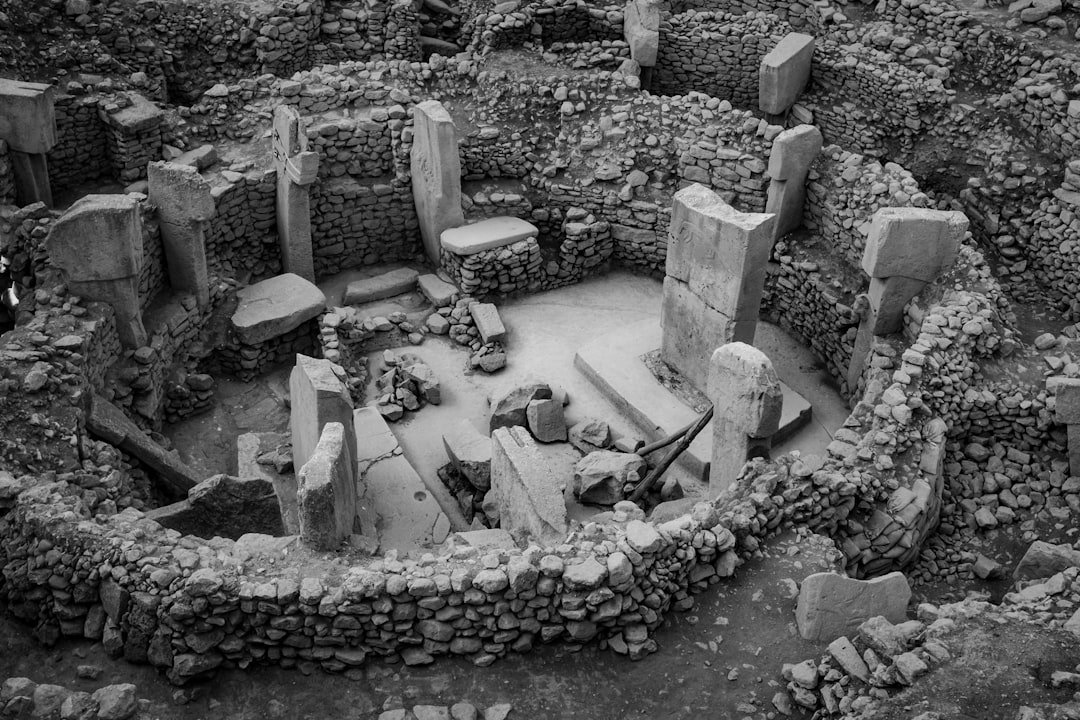
The Karahantepe archaeological site covers almost 10 hectares, which increases by another five hectares if the quarries for the T-shaped columns are included. As of 2023, around five percent of the surface extent of the site has been excavated. Five percent. That is both humbling and thrilling. Everything we’ve discussed, every discovery that has shaken up the archaeological world, all of it comes from just a tiny fraction of what’s actually there.
The Taş Tepeler Project, encompassing 12 Neolithic excavation sites across Şanlıurfa, has reached its fifth anniversary, unveiling 30 extraordinary newly excavated discoveries that offer unprecedented insights into life 12,000 years ago. Thirty major discoveries in five years from five percent of one site alone. As excavations continue under the Taş Tepeler Project, archaeologists anticipate uncovering more evidence of the intellectual and cultural life that flourished in the region – proof that long before writing or cities, humanity already sought to carve meaning into stone.
Conclusion: The Stone Remembers What History Forgot
Karahantepe keeps delivering. Year after year, season after season, this hillside in southeastern Turkey produces evidence that the ancient humans who built it were doing something far more sophisticated than survival. They had ritual. They had symbolism. They had spatial planning. They had, in some sense we’re still trying to define, architecture as a form of communication.
Is it binary code? Almost certainly not in the digital sense. But is it a system of meaning carved into stone by minds of extraordinary depth? The evidence points firmly toward yes. The real code isn’t binary – it’s human. And we’re still learning how to read it.
What do you think – are we truly only scratching the surface of what Karahantepe was built to express? Tell us in the comments.