

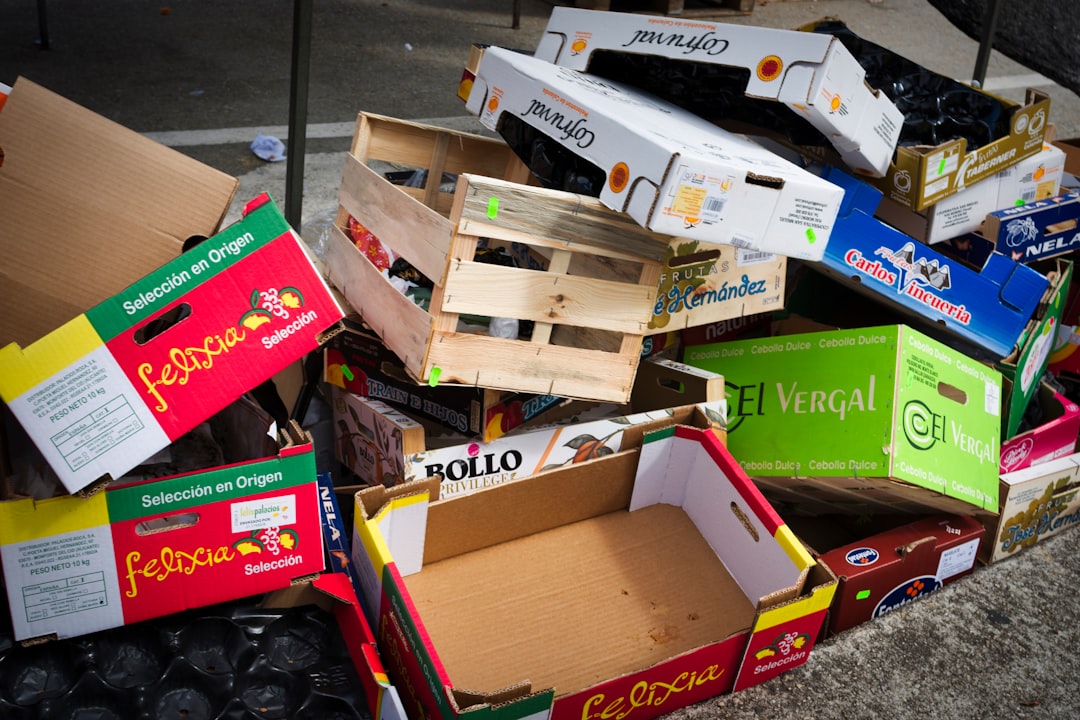
A Legacy of Manual Mistakes (Image Credits: Unsplash)
Each year, U.S. grocery stores tossed out roughly four million tons of food, with fresh items like strawberries and beef accounting for the bulk of the losses. Managers long relied on imprecise guesses to stock shelves, leading to either shortages or spoilage. Now, Afresh, a startup harnessing artificial intelligence, offered a smarter path forward. The company recently secured $34 million in funding to scale its technology nationwide.
A Legacy of Manual Mistakes
Store managers once scribbled orders on printed spreadsheets, estimating demand for perishable goods through trial and error. Packaged items benefited from basic software, but fresh produce demanded old-school methods. Afresh cofounders Matt Schwartz and Nathan Fenner witnessed this firsthand during their time as Stanford MBA students a decade ago. They visited stores and noted the reliance on pen and paper.
“It was ultimately a pen and paper process,” Schwartz recalled. Their observations revealed deeper issues: produce lost weight through evaporation, self-checkout scans mixed organic and conventional items, and discarded spoiled goods escaped accurate tracking. These inaccuracies fueled massive waste across the sector.
Precision Through AI Forecasting
Afresh developed software that analyzed vast datasets, sometimes billions of transactions per grocer. It factored in pricing, promotions, product origins, and perishability rates to gauge true inventory levels. Deep learning models then predicted demand by incorporating variables like food stamp distribution schedules and local weather patterns.
An optimization engine recommended exact order quantities, refining predictions over time as more data flowed in. The system addressed nuances, such as water loss in weighed produce or unrecorded shelf discards. Grocers tested it in select stores, comparing outcomes against control groups to measure impact.
Real-World Wins and Rapid Adoption
Implementations yielded swift results, with waste reductions of 20% to 25% in live deployments. “We typically see 20% to 25% reduction in shrink when we go live with our system,” Schwartz stated. The tool now operated in over 12,500 departments nationwide, including chains like Safeway and Albertsons.
- Stores resized produce displays after AI flagged oversized setups, using fillers to maintain visual appeal without excess stock.
- Near-expired fruits and vegetables found new life in prepared items like guacamole.
- A new feature aided forecasting for deli prepared foods, extending benefits to ready-to-eat sections.
Ripple Effects Across the Supply Chain
Improved store ordering stabilized upstream operations. Distribution centers received clearer signals, purchasing more accurately for retailers. This, in turn, allowed growers to align production with genuine needs. Customers benefited from fresher stock that lasted longer at home.
“When you clean up store ordering, it makes it easier for distribution centers to buy the right amount,” Schwartz explained. “Then, ideally, if DCs are buying the right amount, that gives a cleaner demand signal to growers.” The funding round, co-led by Just Climate and High Sage Ventures, positioned Afresh for broader rollout. Visit Afresh for details on their platform.
Environmental and Economic Gains
Retail food waste generated about 16 million tons of CO2-equivalent emissions in 2024 alone. Grocers absorbed a $26.9 billion hit to sales from spoilage. Afresh’s approach promised dual relief: planetary protection and profit recovery.
“If you can avoid a dollar of food waste, you’re creating a dollar profit for a grocer,” Schwartz noted. In an industry operating on 1-3% net margins, such savings transformed financial health. The startup’s momentum highlighted AI’s potential to reshape everyday retail challenges.
Key Takeaways
- AI-driven forecasting cut fresh food waste by up to 25% in tests.
- Over 12,500 store departments adopted the technology.
- Benefits extended to supply chains, emissions, and grocer profits.
Afresh demonstrated how targeted AI could turn a persistent industry pain point into opportunity. Stores stood to gain fresher shelves, less trash, and healthier ledgers. What steps can more retailers take to curb waste? Share your thoughts in the comments.