

Most of us grow up believing that the past belongs to the past. What our grandparents endured, we figure, was theirs to carry. Yet some of the most compelling science emerging right now challenges that assumption at a biological level, suggesting that the echoes of suffering may travel far beyond memory, culture, or family storytelling.
The field of epigenetics, which studies how genes are switched on and off without altering the underlying DNA sequence, has started to map something extraordinary: the molecular traces that trauma leaves, not just in those who experienced it, but potentially in the bodies of their children and grandchildren. The science is still young, the debates are real, and some questions remain genuinely open. Still, what has been discovered so far is worth taking seriously.
What Epigenetics Actually Means
Before anything else, it helps to understand what scientists mean when they talk about epigenetics. It is the study of how your behaviors and environment can cause changes that affect the way your genes function – and unlike genetics, epigenetic changes are reversible and do not change your DNA sequence, but can change the way your body reads it. Think of your genome as a long, fixed text. Epigenetics is the system of highlights, annotations, and bookmarks that determines which passages the cell actually reads at any given moment.
To promptly react to environmental changes and increase fitness, the expression of genes is under epigenetic control. Epigenetic mechanisms modify the level of transcripts that could subsequently proceed to translation. These changes are flexible yet durable, as they could be changed within a cell cycle and maintained throughout a lifetime. That combination of flexibility and durability is precisely what makes epigenetics so interesting when it comes to trauma.
Some of the epigenetic mechanisms commonly studied in the human body are DNA methylation, histone modifications, and non-coding RNAs. DNA methylation, the addition or removal of chemical tags called methyl groups directly onto DNA, is the most extensively studied of these three processes in trauma research.
The Core Question: Can Trauma Leave Marks on DNA?
Post-traumatic stress disorder is a psychiatric disorder that causes debilitating functional impairment in patients. Observations from survivors of traumatic historical events solidify that this disease is not only associated with personal experiences but can also be inherited from familial traumas. Over the past decades, researchers have focused on epigenetic inheritance to understand how responses to adverse experiences can be passed down to future generations.
Trauma doesn’t alter our DNA, but it can guide which genes are activated or deactivated. When an individual experiences trauma, their body may adapt by adjusting gene expression, and some of these changes can be passed on to their children – however, these changes are not definitive but rather adaptable and can be rewritten by our own life experiences and actions.
In recent years, there has been an increasing amount of evidence pointing to the existence of a non-genetic heredity of the effects of events such as separation from parents, threat to life, or other traumatising experiences such as famine. This heredity is often mediated by epigenetic regulations of gene expression and may be transferred even across several generations. Whether that transfer is robust, consistent, or well-understood in humans is another matter entirely.
The Landmark Syrian Refugee Study (2025)
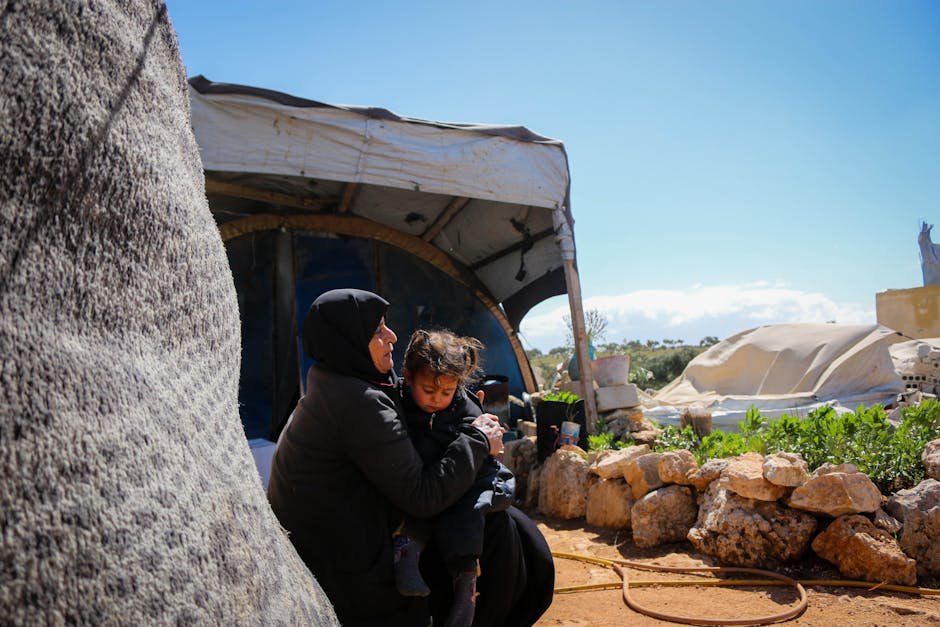
Violence and trauma leave inheritable markers on a person’s genome that persist over multiple generations, according to a 2025 study coauthored by Yale anthropologist Catherine Panter-Brick. The first-of-its-kind study focused on epigenetic changes across three generations of Syrian refugees. It shows that women who had been directly affected by war-related violence indicated altered epigenetic markings – but so did their grandchildren, even if they had no direct exposure to warfare.
The researchers examined 850,000 sites of DNA methylation – the most common epigenetic modification – among the study’s participants. They found that mothers and children who had directly experienced violence had altered epigenetic markings; they specifically identified 21 sites associated with direct exposure to violence. They also pinpointed 14 sites where DNA methylation was associated with germline exposure to violence.
Additionally, the researchers identified epigenetic age acceleration – a measure indicating that an individual’s DNA methylation-predicted age is older than their chronological age – in association with prenatal exposure to violence in children. This, researchers say, highlights the critical period of in utero development. The grandchildren in this study had never experienced war themselves, which made the findings especially striking.
The Holocaust and the FKBP5 Gene

In 2016, Dr. Rachel Yehuda published results of a study showing that Holocaust survivors and their adult offspring had epigenetic changes on the same region of a stress-related gene. That gene, FKBP5, is directly linked to the body’s management of stress hormones, particularly cortisol, and its altered methylation is associated with conditions including PTSD, depression, and anxiety disorders.
The results suggest that Holocaust exposure had an effect on FKBP5 methylation – a mechanism that controls the gene’s expression – that was observed in parents exposed to the horrors of the concentration camps, as well as their offspring, many of whom showed signs of depression and anxiety. Importantly, this could not be explained by the children’s own trauma exposure or by their cortisol levels or demographic characteristics.
Rachel Yehuda and her colleagues have long studied mass trauma survivors and their offspring. Their results reveal that descendants of people who survived the Holocaust have different stress hormone profiles than their peers, perhaps predisposing them to anxiety disorders. This was the first demonstration of an association of preconception parental trauma with epigenetic alterations that is evident in both exposed parent and offspring.
What Animal Studies Tell Us (And Their Limits)

In a widely cited study, researchers trained a group of mice to fear the smell of cherry blossom by delivering small electric shocks. Their offspring also had a fearful reaction to the smell despite never having encountered it before, and even some of the offspring’s offspring reacted the same way. Environmental stressors thus influenced the gene expression of the offspring, leading to inherited fearful responses across multiple generations.
Although the mammalian epigenome is wiped clean of most DNA methylation marks during gametogenesis and embryogenesis to allow epigenetic reprogramming, there is intriguing support from animal models for environmentally-induced epigenetic marks that resist this reprogramming and are intergenerationally and transgenerationally inherited with phenotypic effects. That reset process is one of the main reasons scientists are cautious about drawing direct lines between animal results and human biology.
A mechanism for epigenetic inheritance in humans remains elusive due to the many other influencing factors including complex societal forces that persist over time, and the fact that human developing females already have all their eggs as a foetus in the womb. Furthermore, even in mice, where confounding influences can be controlled, true transgenerational epigenetic inheritance is extremely rare. That’s a meaningful caveat that shouldn’t be glossed over.
The Stress Hormone Connection: Cortisol and the HPA Axis

PTSD has been linked to dysregulation of the hypothalamus-pituitary-adrenal axis. This stress response pathway develops in early fetal stages and is easily affected by the environment. When the HPA axis is incapable of returning to a normal physiological state, a prolonged state of stress occurs. This axis is not an abstract concept. It governs how the body mobilizes energy, regulates immunity, and ultimately recovers from threatening situations.
Yehuda’s team had previously established that survivors of the Holocaust have altered levels of circulating stress hormones compared with other Jewish adults of the same age. Survivors have lower levels of cortisol, a hormone that helps the body return to normal after trauma; those who suffered PTSD have even lower levels. Lower cortisol, counterintuitively, is a hallmark biological signature of PTSD rather than elevated cortisol.
Like their parents, many descendants of Holocaust survivors have low levels of cortisol, particularly if their mothers had PTSD. Yet unlike their parents, they have higher than normal levels of the cortisol-busting enzyme. This suggests that the body adapted in the womb to compensate for the mother’s altered hormone environment, an adaptation that carries its own downstream risks.
The Critical Window: Prenatal Exposure and Early Life

Apart from inter- or transgenerational transmission, there are sensitive phases of life during which traumatic stress and negative life experiences may be transmitted and impact an individual’s behaviour, cognition, and psychological development. Their impact is greatest during the period from conception to age two – the first 1,000 days of life. During this period, appropriate physical and psychological development of the foetus is implemented to allow the child to achieve correct growth and healthy survival.
Studies even suggest that trauma’s impacts reach into the womb. Research on mothers directly exposed to 9/11 found their children had lower levels of the stress hormone cortisol at birth – a sign of changes in the HPA stress response. This hints that trauma’s effects shape the development of babies still in utero, priming them for health challenges.
Twin studies have estimated that the heritability of PTSD is between roughly thirty and seventy percent. This suggests that some aspects of trauma may be inherited. That range reflects the complex interaction between genetics, environment, and experience, not a clean biological verdict in either direction.
The Scientific Debate: Where Skepticism Is Warranted

Research in humans on the intergenerational epigenetic transmission of trauma effects is limited. That is an important admission from scientists working in the field itself. The human evidence is suggestive, but the path from suggestive to confirmed is long and requires far more rigorous study than currently exists.
Such discrepancies, and small sample sizes, suggest that more work needs to be done to disentangle the various factors that contribute to epigenetic changes in humans. Socioeconomic factors, the mother’s diet, smoking – all those can modify the epigenome substantially. In other words, finding epigenetic differences between groups of people does not automatically confirm that trauma caused them or that they were passed down biologically.
Given the paucity of human studies and the methodological challenges in conducting such studies, it is not possible to attribute intergenerational effects in humans to a single set of biological or other determinants at this time. Elucidating the role of epigenetic mechanisms in intergenerational effects through prospective, multi-generational studies may ultimately yield a cogent understanding of how individual, cultural and societal experiences permeate our biology.
Beyond Biology: How Trauma Also Travels Through Behavior and Environment
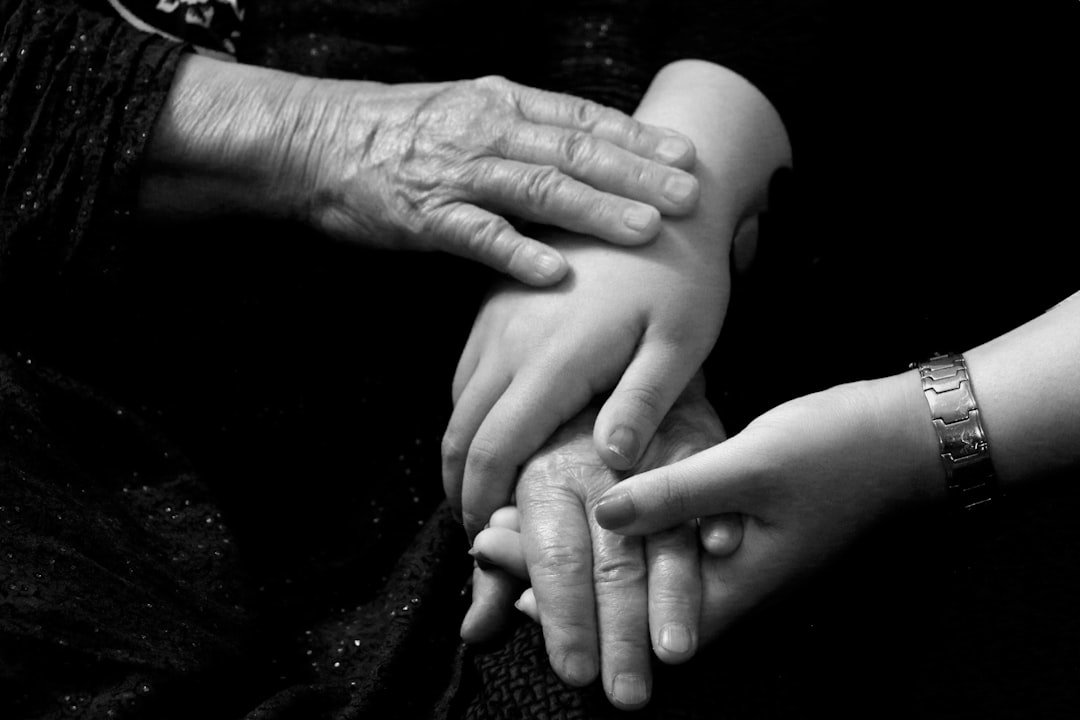
Physiological changes in stress regulation and brain structure suggest biological embedding of trauma across generations. Socially, intergenerational trauma shaped relationships and identity, often fostering mistrust and emotional restraint. Psychologically, descendants showed elevated distress and trauma symptoms, with parental PTSD as a key predictor. The biological and social channels of transmission are deeply intertwined.
Parental trauma, such as PTSD in refugee parents or combat veterans, can significantly compromise family dynamics and children’s mental health through multiple, interrelated mechanisms. Parents with PTSD often exhibit impaired parenting behaviors, characterized by emotional dysregulation, hypervigilance, or reduced sensitivity, that undermine children’s sense of security and contribute to emotional and behavioral difficulties.
Transgenerational trauma is the psychological and physiological effects that the trauma experienced by people has on subsequent generations. The primary mode of transmission is the shared family environment of the infant causing psychological, behavioral and social changes in the individual. That’s a crucial point: epigenetic changes and behavioral transmission are not competing explanations. Both are likely operating at once.
Can Epigenetic Trauma Be Healed?
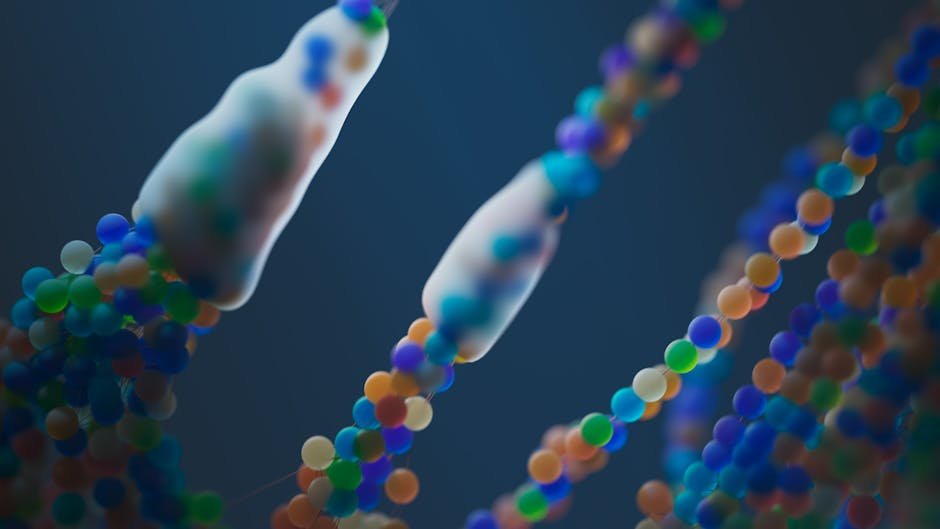
Unlike genetics, epigenetic changes are reversible and do not change your DNA sequence, but can change the way your body reads a DNA sequence. That reversibility is one of the genuinely hopeful dimensions of this field. The marks left by trauma are not destiny. They are more like an editable layer on top of a fixed foundation.
There is emerging evidence that successful therapy can lead to measurable changes in epigenetic markers. Cognitive Behavioral Therapy for PTSD has been linked to modifications in NR3C1 methylation in some studies, correlating with improved HPA axis regulation and symptom reduction. This means treatment isn’t just changing how someone feels – it may be changing their biology in measurable ways.
Environmental enrichment, social support, and targeted therapies can all help reverse epigenetic changes and rewrite trauma’s legacy. Given that epigenetics is reversible, late-stage factors such as drugs and the environment can alter the long-lasting effects of trauma and childhood experiences by modifying epigenetics. The research on exactly which interventions work best, and how durable those changes are, remains ongoing.
What This Means for Ancestral Healing
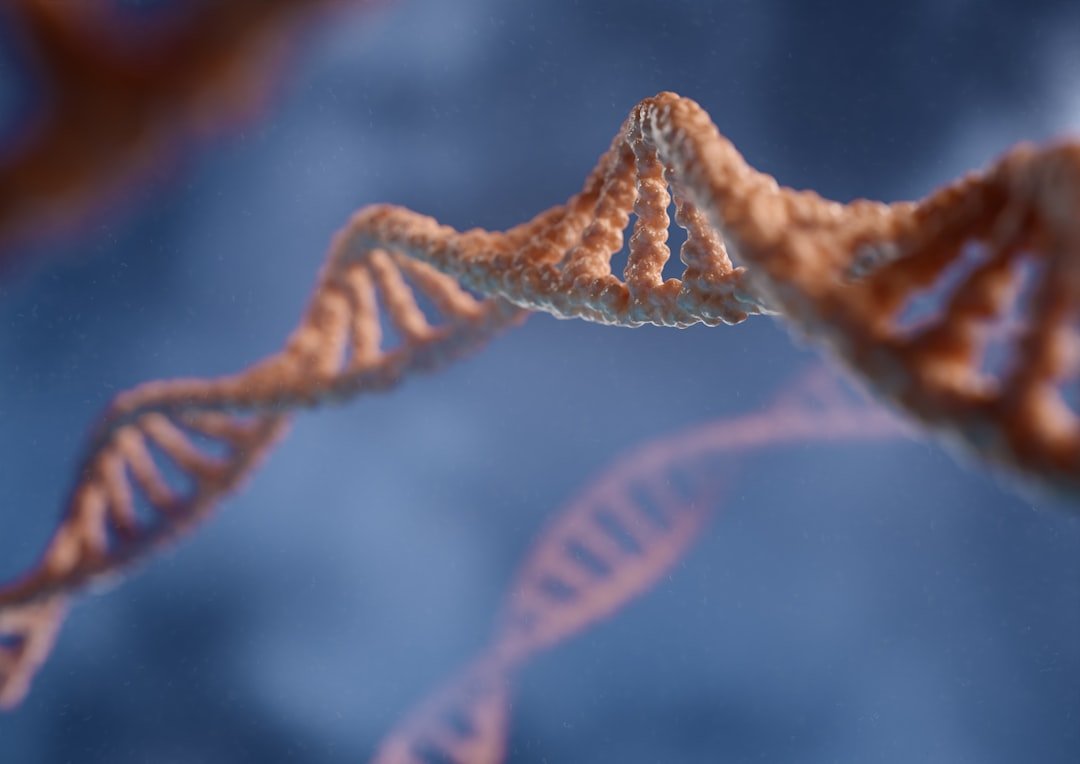
There is some evidence that the epigenetic response may serve as an adaptation that might help the children of traumatized parents cope with similar adversities. That reframing matters. Inherited biological sensitivity to stress is not purely a vulnerability. Under some circumstances, it may represent the body’s attempt to prepare the next generation for a difficult world – a kind of biological warning system passed forward through time.
What the emerging evidence seems to say is that there might be a common epigenetic signature of violence across generations, exposures and developmental stages. If confirmed in larger studies, that would be a significant finding – not just scientifically, but for how society understands the multigenerational costs of war, abuse, and systemic oppression.
Current research recognizes that psychotherapy also causes changes at the level of the DNA, with alterations in epigenetic mechanisms that correlate with symptom reduction and treatment response. The idea that healing is not only psychological but cellular – that repair can happen at the molecular level – adds both depth and urgency to the work of addressing generational suffering.
The science of ancestral healing sits at a genuinely fascinating intersection: biology meeting history, molecules meeting memory. The evidence that trauma can leave epigenetic traces in descendants is real and growing, while the certainty about how consistently, how strongly, or how directly those marks transfer remains limited. What’s clear is that suffering rarely stays neatly contained within a single life. Whether that transmission travels through parenting, community, or the quiet chemistry of genes, it asks something of those who come after – not to be defined by what was inherited, but to understand it well enough to change course.