
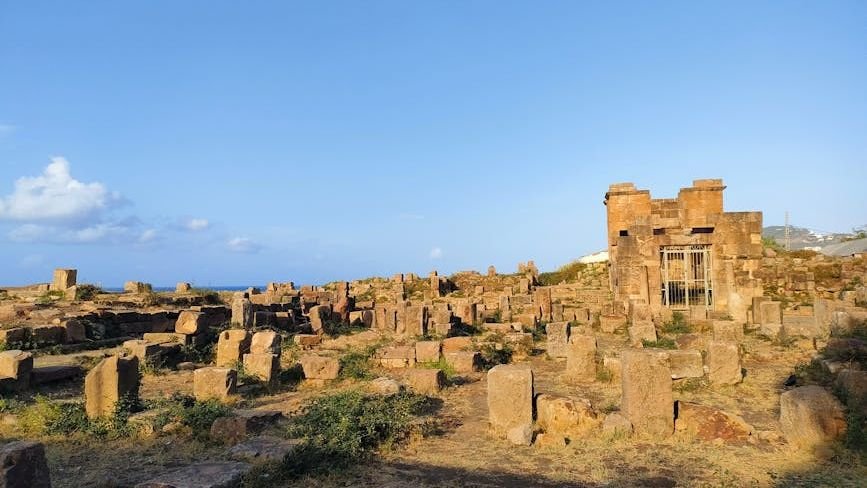

Nearly 3,850 meters above sea level, on the wind-scoured Bolivian Altiplano, there is a place that has quietly baffled engineers, archaeologists, and curious visitors for centuries. Puma Punku is a 6th-century T-shaped, strategically aligned, man-made terraced platform mound with a sunken court and monumental structure on top, near Tiwanaku, La Paz, Bolivia. It is not the age of the site that stops people cold. It is what was done to the stone.
What truly sets Puma Punku apart is not only the size of its stones but the way they were shaped. Many of the blocks, especially the iconic “H-blocks,” exhibit sharp 90-degree angles, smooth surfaces, and intricate geometric patterns that interlock like pieces of a vast puzzle. The craftsmanship, the scale, and the unanswered questions about how it was all done have kept researchers busy for decades, and the debate is no closer to being settled.
A Site That Predates the Inca Empire
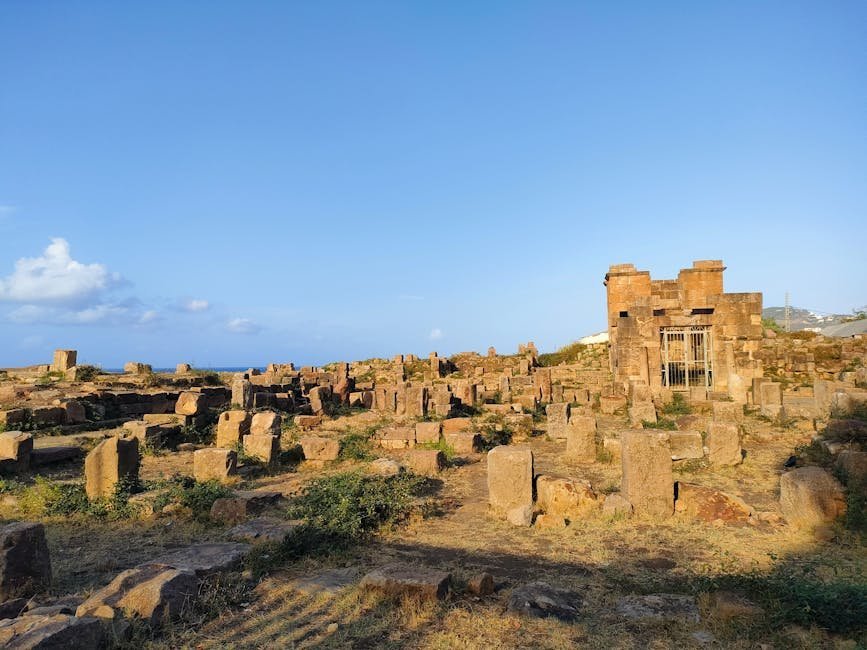
The ruins of Puma Punku are the building blocks of a large temple complex, the origins of which remain lost in the sands of time. Likely constructed between 500 and 600 AD, it formed part of the Tiwanaku culture, which dominated the region from around 300 to 1000 AD. This makes it significantly older than the Inca Empire, which tends to get far more popular attention.
A radiocarbon date was obtained by archaeologist Alexei Vranich from organic material found in the deepest and oldest layer of mound-fill forming the Pumapunku. This layer dates the initial construction of the Pumapunku to AD 536 to 600. Since the radiocarbon date came from the deepest and oldest layer beneath the stonework, the stonework itself was probably constructed sometime after AD 536 to 600. The Tiwanaku civilization, in other words, was building at a monumental scale centuries before Europe’s medieval period began.
Stones of Staggering Scale
The largest of Pumapunku’s stone blocks is 7.81 metres long, 5.17 metres wide, averages 1.07 metres thick, and is estimated to weigh about 131 tonnes. To put that in perspective, a modern semi-truck hauls roughly 20 to 25 tonnes. This single block would require a convoy of five or six of them, and that is on a flat, paved road.
The second largest stone block found within the complex is 7.90 metres long, 2.50 metres wide, and averages 1.86 metres thick. Its weight is estimated to be about 85 tonnes. Both of these stone blocks are part of the Plataforma Lítica, and are red sandstone. The sheer physical reality of moving these objects, without modern machinery, at altitude, continues to challenge every proposed explanation.
Quarries Miles Away: The Transport Mystery

Based on detailed petrographic and chemical analyses of samples from individual stones and known quarry sites, archaeologists concluded that the red sandstone blocks were transported up a steep incline from a quarry near Lake Titicaca roughly 10 kilometres away. Smaller andesite blocks for stone facing and carvings came from quarries within the Copacabana Peninsula about 90 kilometres away from and across Lake Titicaca.
Puma Punku sits at an elevation of 12,800 feet, or roughly 3,900 metres above sea level, meaning no trees grow in the area, so traditional wooden rollers could not have been used to transport these stones. There are a couple of competing theories, including the use of llama skin ropes and inclined ramps, but both remain speculative. Moving a 131-tonne block across a treeless, high-altitude plain remains one of the most honest unsolved problems in Andean archaeology.
The Iconic H-Blocks and Interlocking Precision
In assembling the walls of Puma Punku, each stone was finely cut to interlock with the surrounding stones, and the blocks fit together like a puzzle, forming load-bearing joints without the use of mortar. One common engineering technique involves cutting the top of the lower stone at a certain angle and placing another stone on top of it which was cut at the same angle. The precision with which these angles have been utilized to create flush joints is indicative of a highly sophisticated knowledge of stone-cutting and a thorough understanding of descriptive geometry.
Many of the joints are so precise that not even a razor blade will fit between the stones. Much of the masonry is characterized by accurately cut rectilinear blocks of such uniformity that they could be interchanged for one another while maintaining a level surface and even joints. This kind of interchangeability suggests a level of standardization that feels surprisingly modern.
What Tools Were Actually Used?

According to researchers Protzen and Nair, no tools have been excavated that were definitively used in the construction of Tiwanaku. Art historian Jessica Joyce Christie notes that the experiments of Jean-Pierre Protzen and Stella Nair showed that the Tiwanaku artisans may have used tools other than hammerstones to create exact geometric cuts and forms, tools of which archaeology has no record.
Nair subsequently experimented with replicating a small section of a carving using a variety of possible stone tools, including blades, flakes and thin chisels made of flint, agate, jasper, obsidian, quartzite, and hematite. Bronze tools proved to be largely ineffective against hard andesite. She succeeded in carving a half-cross-shaped design about eight inches across, achieving the same high precision shown by the Puma Punku carvings. One element she was unable to replicate was the accurately flat surface of the inside of the carving. The full process took 40 hours, though researchers estimated an experienced person could complete it in about 25 hours.
The Unfinished Complex: A Clue Left in Stone
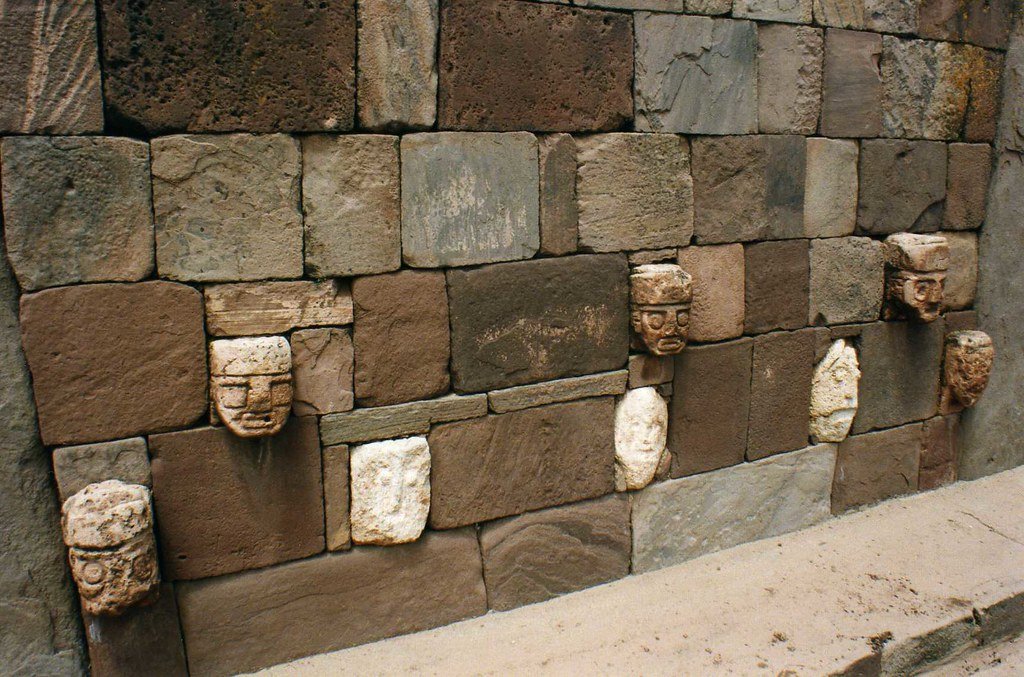
Puma Punku was never completed. Tiwanaku went into decline and was abandoned before this massive complex was entirely constructed. That fact carries significant weight. An unfinished site is an archaeologist’s dream, because the process is frozen mid-action.
Some of the stones are in an unfinished state, showing some of the techniques used to shape them. They were initially pounded by stone hammers, which can still be found in numbers on local andesite quarries, creating depressions, and then slowly ground and polished with flat stones and sand. This direct evidence of production methods is far more useful than speculation, and it points firmly toward skilled human craft rather than anything exotic.
Colonial-Era Destruction and What Was Lost
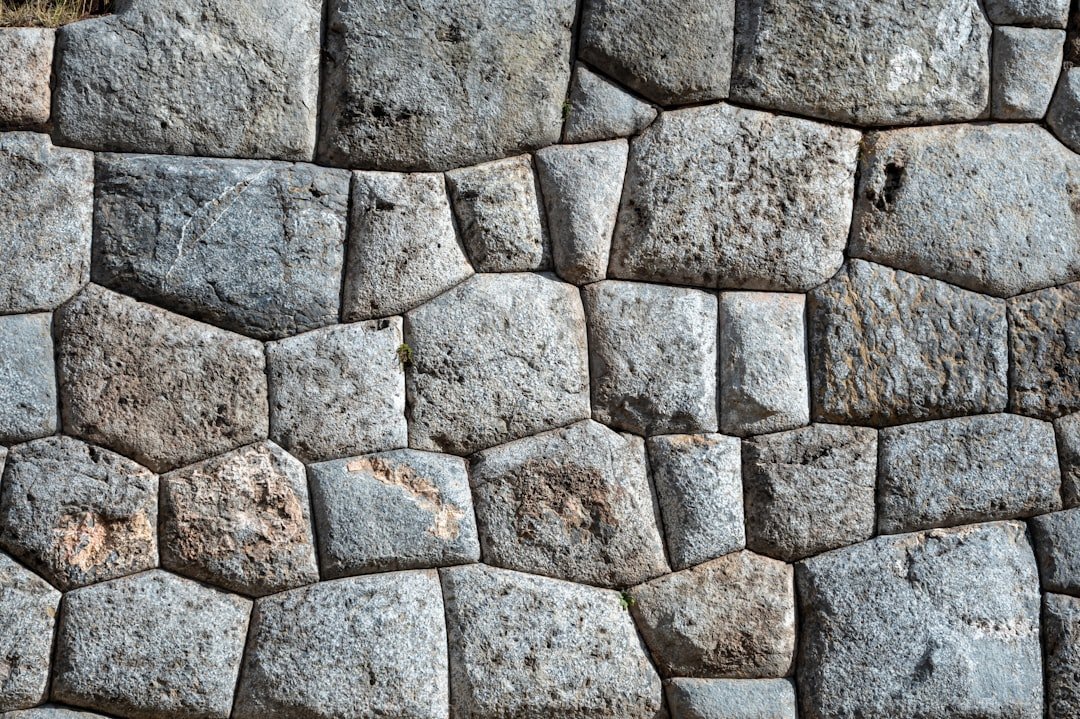
The ruins of Tiwanaku, dating to roughly AD 500 to 950, present an archaeological challenge owing to intense looting during the colonial period that effectively demolished the site. Puma Punku was described by Spanish conquistadors and travelers of the sixteenth and seventeenth centuries as a wondrous, though unfinished, building with gateways and windows carved from single blocks. Unparalleled in the pre-Colombian New World, the craftsmanship of this masonry has long been considered the architectural apex of Andean pre-Columbian stone technology.
Unfortunately, during the last 500 years, treasure hunters have ransacked this building to the point that none of approximately 150 shattered remains of the standing architecture are to be found in their original place. That scale of destruction makes reconstruction exceptionally difficult, and it means that any conclusions drawn from the current state of the site must be treated with appropriate caution.
3D Reconstruction: Science Filling the Gaps
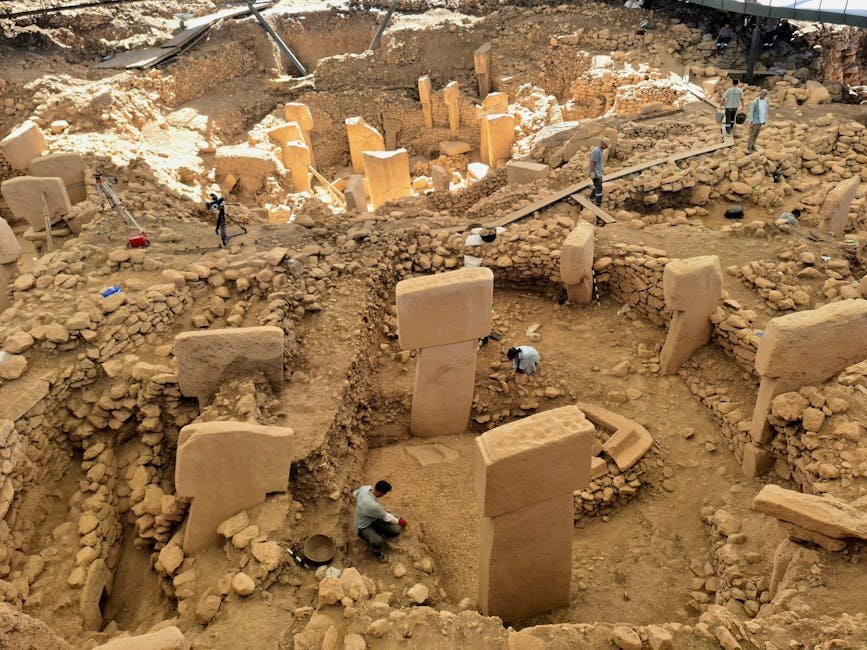
Ball State University faculty member John Fillwalk, senior director of the Institute for Digital Intermedia Arts and associate professor of electronic art, is merging cutting-edge digital technology with archaeological research. His project involves bringing Pumapunku to life through digital modeling, offering new perspectives on one of the world’s most mysterious archaeological sites.
To create the digital model, Fillwalk and his team used photogrammetry, a technique that uses overlapping photos to create models, combined with laser scanning, measured hand modeling, and other 3D imaging techniques to capture the exact dimensions of the stone structures. These datasets are then used to build a highly detailed, accurate, three-dimensional representation of the site. Since completing that work, Fillwalk has also collaborated with Dr. Alexei Vranich, archaeologist and leading expert on Tiwanaku and a professor at the University of Warsaw, Poland.
The Geopolymer Hypothesis: A Contested Alternative
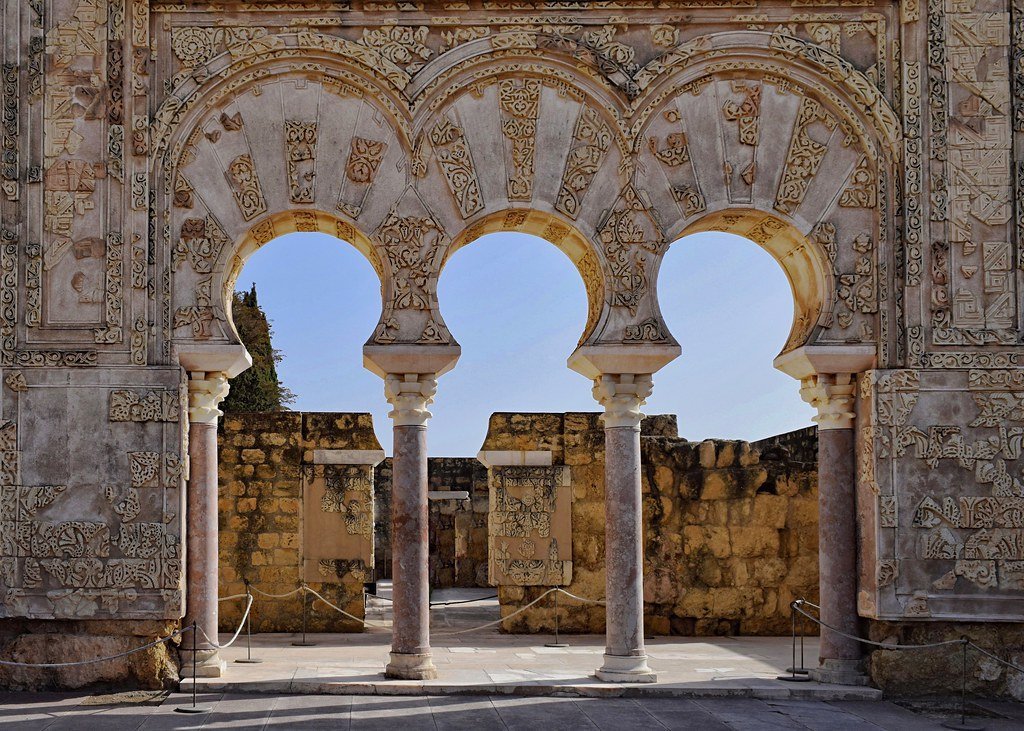
A minority scientific view proposes that some stone elements at Tiwanaku may have been cast using geopolymer concrete rather than carved from natural quarried stone. These papers are debated and do not represent the current scientific consensus.
Researchers from the Geopolymer Institute examined Pumapunku stones for the first time under an electron microscope. They discovered what they described as an artificial nature to the stones. They then compared the monument stones with local geological resources and found differences. The theory remains a fringe position in academic archaeology, but it illustrates how many different angles researchers are still approaching this site from in 2025 and 2026.
Ceremonial Purpose and the Ritual Landscape
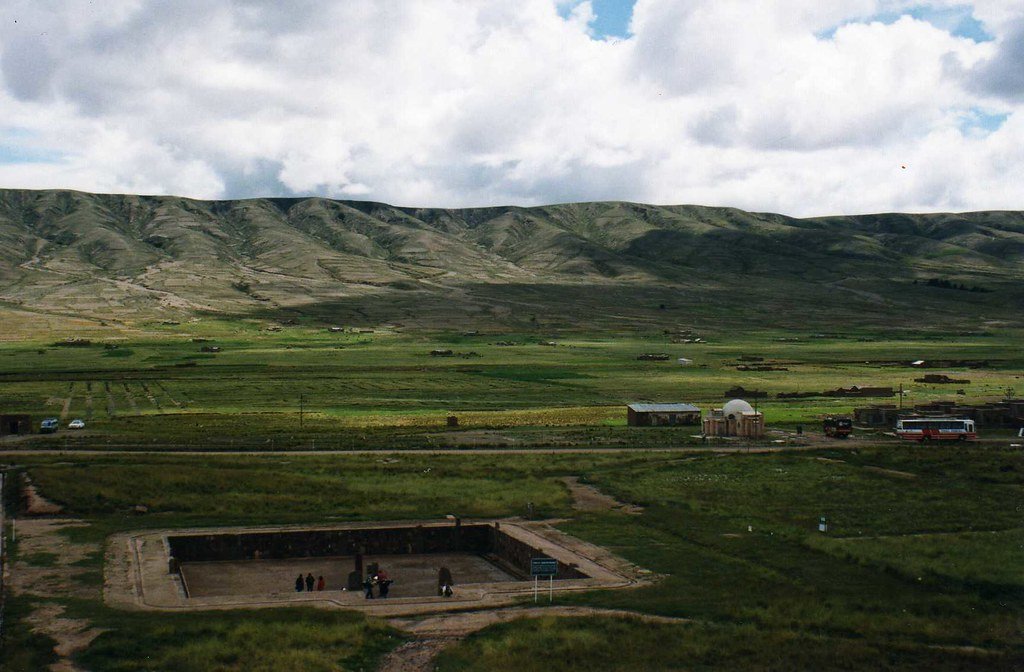
Archaeologists generally agree that Puma Punku served as a ceremonial or ritual complex, possibly linked to Tiwanaku’s cosmology and religious life. The layout of the site, with its gateways, platforms, and courtyards, suggests a sacred function, perhaps a place of initiation or offerings to deities.
Tiwanaku’s architecture reflects a complex relationship between cosmology and ritual space. The Pumapunku temple complex showcases modifications that prioritized visual impact. Excavations reveal a history of construction and reconstruction, indicating ongoing development rather than a single sudden build. Tiwanaku’s site also served as a major pilgrimage destination, integrating diverse populations through elaborate festivals. The precision of the stonework, then, was not just structural. It was likely part of the message the site was meant to send.
What the Evidence Actually Supports
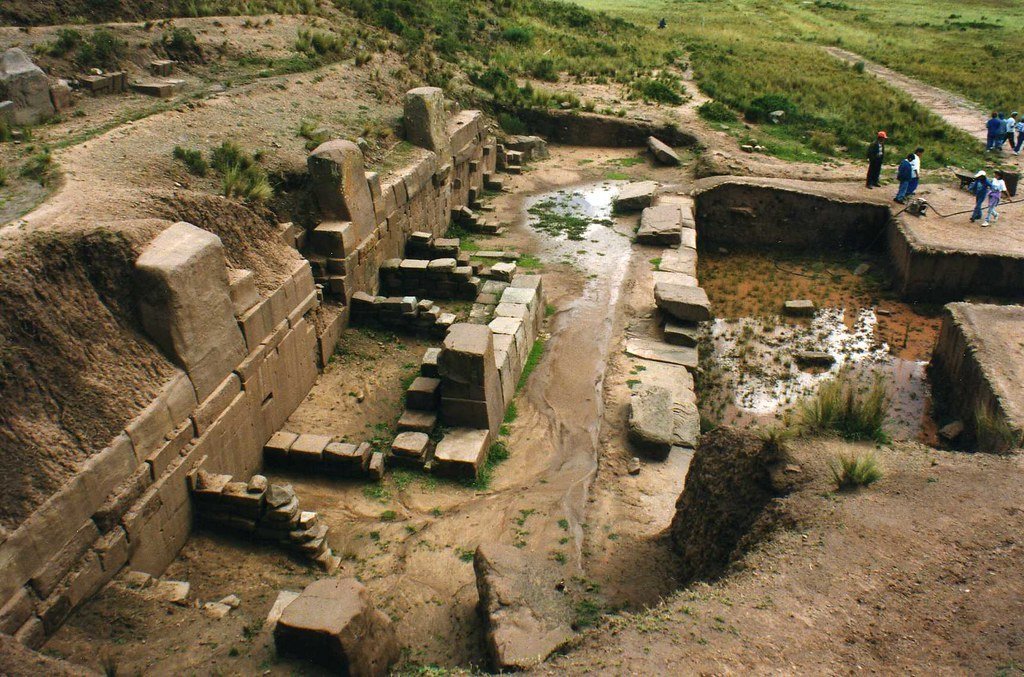
While mainstream archaeology attributes the wonders of Puma Punku to human ingenuity, the site continues to be a focal point for both academic research and alternative theories. The most plausible and widely accepted view among the archaeological and scientific communities is that the site was most likely built by the Tiwanaku civilisation.
Unfinished stones show the techniques used to shape them, and experts believe the methods used were more advanced than those of the Incas. No specific tools used for the construction have been found, and some historians think the artisans might have had tools not yet identified by archaeology. In addition to the impressive masonry, Tiwanaku engineers also built irrigation systems, hydraulic mechanisms, and leak-proof sewage lines. This was not a society operating at a primitive level. It was a sophisticated civilization that solved complex engineering problems with ingenuity developed over generations.
The most grounded takeaway from Puma Punku is not that its builders had help from elsewhere. It is that human beings, given enough time, motivation, and collective knowledge, are capable of producing things that still humble us a millennium and a half later. That is a harder truth to absorb than any mystery, and probably a more important one.