

Your voice is now a data point. So is your face, your gestures, and the cadence of your speech. What once required a Hollywood production budget can now be replicated in seconds by a cheap AI tool running on a laptop. The result is an entirely new category of identity threat, one that is growing faster than most people realize.
In 2024, deepfake attacks occurred at a rate of one every five minutes. That number is not hypothetical. Between January and September 2025 alone, AI-driven deepfakes caused over three billion dollars in losses in the United States. Understanding the mechanics of this threat, and what you can actually do about it, has become a matter of basic personal security.
The Scale of the Problem Is Already Enormous
Most people still think of deepfakes as a celebrity problem or a political novelty. The reality is far more personal. In 2024, half of all businesses experienced fraud involving audio and video deepfakes, and two thirds of business leaders said they believe deepfakes pose a serious threat to their organization.
Nearly half of U.S. fraud experts encountered synthetic identity fraud in 2024, with more than a third reporting voice deepfakes specifically. For individuals, the numbers are just as sobering. A McAfee study found that 77% of deepfake scam victims ended up losing money, with about one third losing over a thousand dollars, and 7% losing upwards of fifteen thousand dollars in a single incident.
Deepfake files surged from around 500,000 in 2023 to a projected 8 million in 2025. The sheer volume of synthetic media now circulating online makes it harder to treat this as someone else’s problem.
Voice Cloning: The Fastest-Growing Attack Vector
Voice cloning now often requires just 20 to 30 seconds of target audio to generate realistic speech. That audio can come from anywhere: a social media video, a voicemail greeting, a YouTube interview, or a public podcast. It takes just three seconds of audio to clone a person’s voice, giving scammers a direct path to a broad range of fraud and disinformation attacks.
Pindrop’s analysis of over 1.2 billion customer calls found a 475% increase in synthetic voice attacks at insurance companies and a 149% rise at banks in 2024. These are not rare edge cases. Deepfake-enabled voice phishing attacks surged by over 1,600% in the first quarter of 2025 compared to the fourth quarter of 2024 in the U.S.
The financial sector has been hit hardest, but no industry is immune. In the corporate sector, deepfake scams cost businesses nearly $500,000 on average per incident in 2024, with large enterprises sometimes losing as much as $680,000 in a single attack.
Why Human Detection Alone Cannot Save You

It’s tempting to believe you’d notice if something was off. Research suggests otherwise. Human detection rates for high-quality video deepfakes are just 24.5%. That means the overwhelming majority of well-made fakes go undetected by the people who encounter them.
Research confirms humans cannot consistently identify AI-generated voices, often perceiving them as identical to real people. Even professionals with fraud training aren’t immune. A 2024 survey by Medius revealed that over half of finance professionals in the U.S. and U.K. had been targeted by a deepfake scam, and 43% admitted they fell for it.
Awareness helps, but it’s not enough on its own. As the software achieves a realism that may catch even hardened skeptics off guard, the main defenses companies should adopt are procedural, behavioral, and cultural rather than purely technical.
Limit What You Put Online
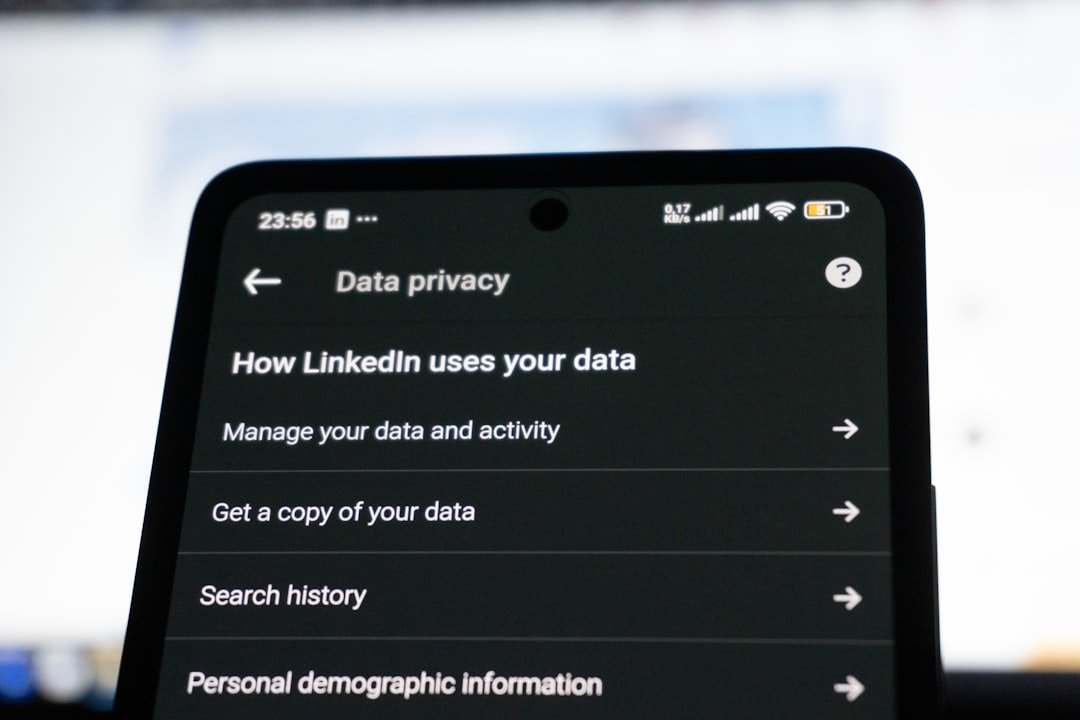
Limiting the availability of voice recordings on public platforms is a meaningful first step. Those with podcasts, videos, or social media content that includes long, uninterrupted speech samples are particularly exposed. This doesn’t mean going silent online, but it does mean being deliberate about what’s publicly accessible.
People should be especially careful about what they post on social media following the rise of AI voice cloning scams. Phrases like “help me” make it extremely easy for scammers to capture and repurpose those voice fragments to sound as if you are in danger.
If you answer a call from an unknown number, wait for the person on the other end to speak first. Scammers only need a few seconds to record your voice, so the less you say unprompted, the better.
Use Verification Codes and Secondary Channels
To avoid falling victim to voice clone scams, consider having a safe word that only your family knows to use in emergencies or during suspected cloning activity. This one low-tech measure can stop even the most convincing deepfake cold. A cloned voice can sound exactly like your daughter or your boss, but it can’t know a secret only you share.
Even if a request seems to come from a known individual, a second layer of verification can prevent misdirected funds. Using two-factor authentication for financial transactions adds a meaningful barrier.
Multifactor verification is a positive step for financial approvals, especially in business environments where wire transfers and sensitive decisions can be triggered by a single voice instruction. Pair voice requests with a written confirmation or a callback to a pre-verified number.
Emerging Tech Tools: Watermarking and AntiFake
On the technical side, there are promising new tools designed to make your voice harder to clone in the first place. The DeFake project, a winner of the FTC’s Voice Cloning Challenge, deploys a kind of watermarking for voice recordings, embedding carefully crafted distortions that are imperceptible to the human ear into recordings, making criminal cloning more difficult by eliminating usable voice samples.
Unlike traditional deepfake detection methods used after an attack, AntiFake takes a proactive stance, employing adversarial techniques to prevent the synthesis of deceptive speech by making it more difficult for AI tools to read necessary characteristics from voice recordings. AntiFake achieved a protection rate of over 95%, even against unseen commercial synthesizers.
Meta’s AudioSeal tool was created specifically to watermark AI-generated speech, with the goal of tackling the growing use of voice cloning tools for scams and misinformation. These tools aren’t yet widely adopted by everyday users, but they represent the direction the field is moving.
Deploy AI Detection Software
Platforms like Resemble AI and Sensity AI use artificial intelligence, machine learning, and watermarking to identify synthetic audio with high accuracy. For businesses handling high volumes of calls or communications, real-time detection is increasingly worth the investment.
AI-powered deepfake detection technology can analyze calls in real time to identify signs of synthetic audio that are imperceptible to the human ear. Platforms like Pindrop Pulse analyze vocal tracts, background noise, and other artifacts to determine if a voice is live or machine-generated, providing a risk score before any action is taken.
Still, no tool is a complete solution. Many detectors perform well on familiar data but fail on newer or adversarial deepfakes. Audio deepfake detectors have achieved about 88.9% accuracy in controlled settings, but degrade under adversarial conditions, and some claims of 99% accuracy exclude stealthy or high-quality modern fakes.
Know Your Legal Rights
The legal landscape has shifted meaningfully since 2024, though it remains uneven. On May 19, 2025, President Trump signed the TAKE IT DOWN Act into law, making it the first federal law that limits the use of AI in ways that can be harmful to individuals. The Act also imposes civil obligations on websites and online platforms to remove such content within 48 hours of notice from a victim.
The NO FAKES Act, reintroduced by a bipartisan group of senators in April 2025, would establish a federal framework to protect individuals’ right of publicity, providing protections from the unauthorized use of their likeness or voice in deepfakes and digital replicas.
In 2024, Tennessee adopted the Ensuring Likeness, Voice, and Image Security Act (ELVIS Act), which prohibits the use of AI to mimic a person’s voice without their permission. By 2025, nearly every state had enacted at least one deepfake-related statute, targeting specific use cases like nonconsensual content, political manipulation, or digital impersonation. Knowing which laws apply in your state matters when it comes to reporting and pursuing remedies.
Protect Your Digital Identity at the Account Level
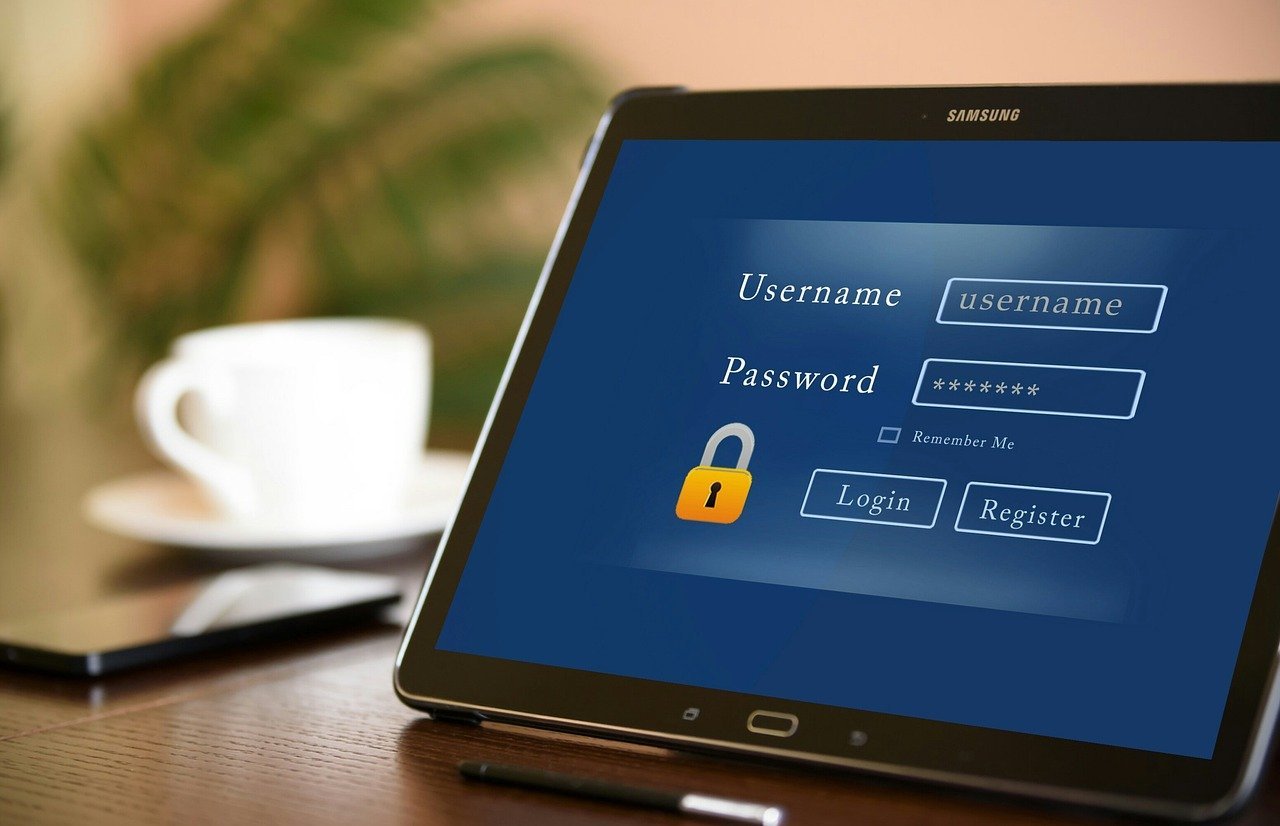
Good overall cybersecurity practices play a crucial role in protecting your voice, as unauthorized access to your accounts can expose audio recordings. Using strong, unique passwords for accounts with voice recordings, and enabling two-factor authentication, adds meaningful protection.
Accounts that use voice biometric verification are becoming an increasing target. Any time a person creates new speech samples to log into accounts, those voice samples are often saved to devices, making them easy targets for scammers to capture and manipulate into AI-cloned voices. Think twice before relying on voice as a standalone authentication method for sensitive accounts.
Keeping operating systems, apps, and antivirus software regularly updated protects against vulnerabilities that hackers might exploit to gain access to your devices and the data stored on them. That includes the audio files you may not even realize are sitting in cloud storage.
Train Yourself and Your Organization
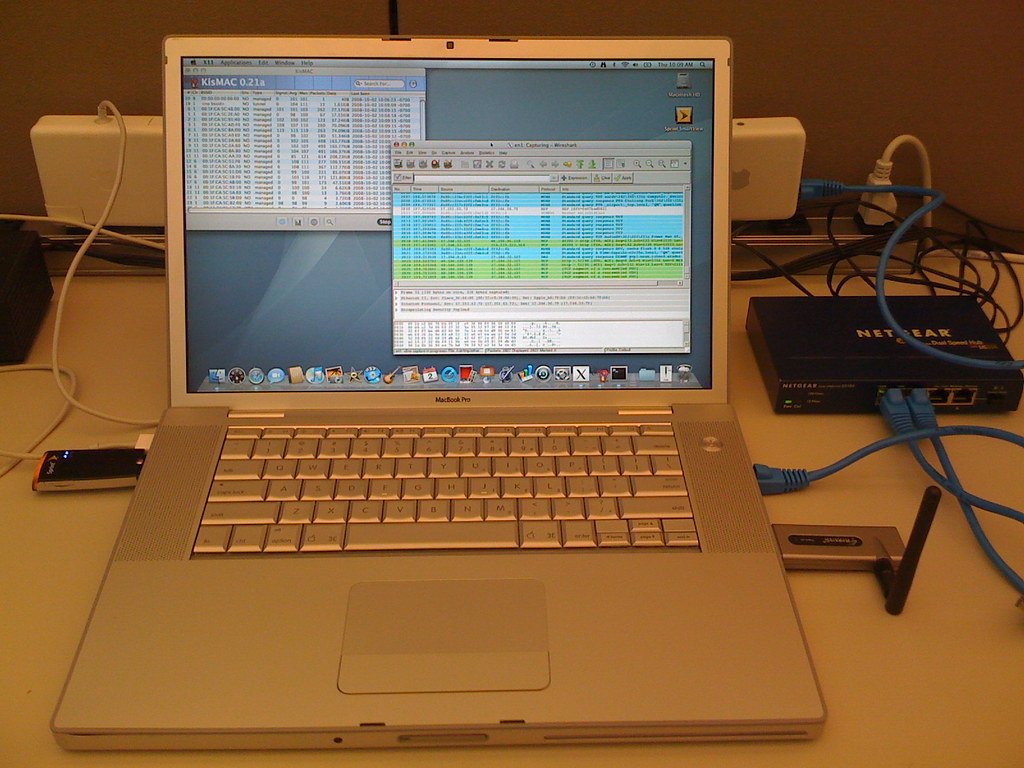
Employees can’t detect a threat they’ve never knowingly encountered, so security awareness training for AI voice cloning scams needs to include vishing simulations. Organizations can run campaigns in which employees experience simulated, fraudulent calls complete with AI-cloned voices of executives and colleagues, with controlled exposure training staff to recognize the social engineering tactics used in real attacks.
Although these attacks utilize advanced technology, scams often rely on the same basic principles as traditional fraud: urgency, emotional pressure, secrecy, and limited time for decision-making. Adding AI amplifies the effect of that emotional manipulation significantly.
Older generations are less likely to be aware of deepfakes, with nearly a third of people aged 55 to 64 and nearly two-fifths of people aged 65 and over having never heard of the term. Targeted education for these groups, whether in workplaces, families, or community programs, can close a serious gap.
Conclusion: Defense Is a Moving Target

The deepfake threat isn’t going to plateau. Fraud losses in the U.S. facilitated by generative AI are projected to climb from $12.3 billion in 2023 to $40 billion by 2027, compounding at roughly 32% annually, according to the Deloitte Center for Financial Services. The tools will keep getting better on both sides of this equation.
What’s clear right now is that no single defense is enough. Limiting your public voice footprint, using pre-agreed code words with family, applying real-time detection tools, staying current with your legal rights, and building slow-down verification habits into daily routines together create a meaningful shield.
The deepfake era requires a different kind of literacy. Trusting your ears was once a reasonable instinct. Today, that trust needs to be earned through process rather than assumed through perception. The good news is that thoughtful habits, not expensive technology, remain the most reliable line of defense.