

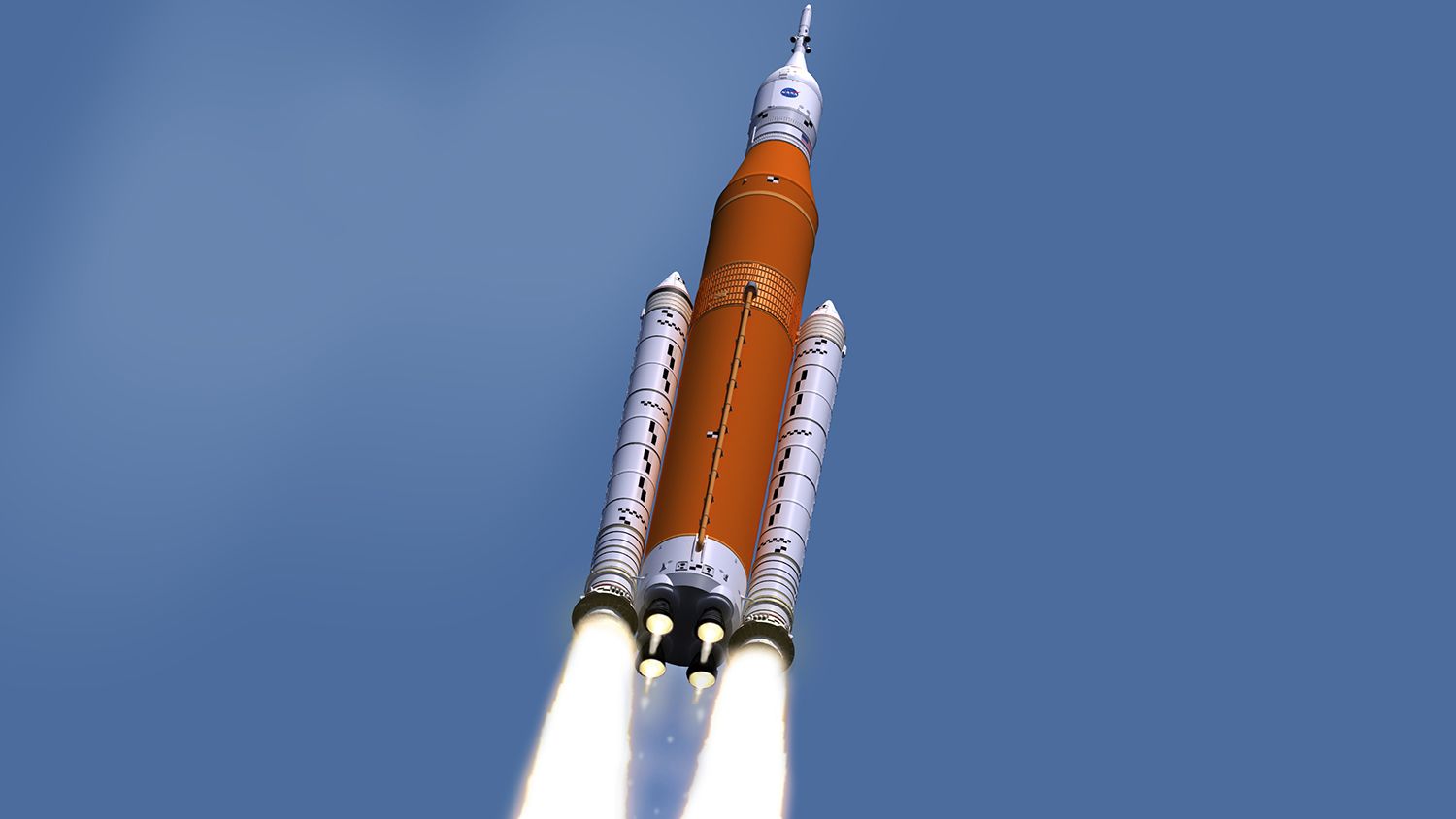
Artemis III: The Mission That Has to Work Before Humans Can Return to the Moon. – Image for illustrative purposes only (Image credits: upload.wikimedia.org)
NASA has moved quickly from the success of Artemis II to outline the next phase of its lunar program. Just weeks after four astronauts completed a flyby of the Moon’s far side aboard the Orion spacecraft, the agency has detailed plans for Artemis III. The upcoming flight will not attempt a landing, yet its objectives address critical gaps that must be resolved before any crew can safely set foot on the lunar surface again.
Why the Timing Matters
Artemis II demonstrated that the Orion spacecraft and its launch system can carry humans beyond low Earth orbit and return them safely. That achievement, completed on April 1, 2026, provided the first real-world data on crew performance during a lunar-distance journey. Artemis III now shifts focus from proving basic capability to testing the systems required for repeated operations.
Without these intermediate steps, the risk of failure during a landing attempt rises sharply. Historical programs showed that uncrewed or lightly crewed test flights often revealed issues that would have been catastrophic with a full landing crew aboard. NASA is applying that lesson directly to the current effort.
Core Objectives of the Flight
The mission will evaluate the integrated performance of the Orion spacecraft, its life-support systems, and the communications links needed for extended lunar operations. Engineers will monitor how the vehicle handles thermal stresses, radiation exposure, and navigation over multiple days in lunar orbit.
Additional goals include verifying the performance of new software updates and ground-control procedures developed after Artemis II. These tests will generate data on how quickly the spacecraft can be prepared for follow-on flights, a key factor in building a sustainable cadence of missions.
By focusing on these elements rather than a landing, the flight reduces complexity while still advancing the overall program. The results will inform decisions about hardware modifications and operational timelines for later Artemis missions.
Addressing Risks Before a Landing Attempt
Every major space program has encountered unexpected problems during early flights. Artemis III is designed to surface those problems in a controlled environment where a landing is not at stake. This approach allows teams to refine procedures without the added pressure of surface operations.
Key areas under scrutiny include the reliability of the spacecraft’s propulsion and guidance systems during prolonged lunar orbits. Data collected will also help validate models used to predict crew fatigue and equipment performance over longer durations.
Program managers have emphasized that these tests are not optional. They represent the difference between a successful return to the Moon and a mission that ends in failure or delay.
What the Results Will Mean for Future Missions
Successful completion of Artemis III will provide the confidence needed to proceed with crewed landings in subsequent flights. The data will also support planning for surface habitats, rovers, and logistics that depend on reliable transportation between Earth and the Moon.
At the same time, any shortfalls identified will trigger targeted fixes before the next crewed attempt. This measured progression reflects NASA’s current strategy of building capability step by step rather than rushing toward a single high-stakes landing.
The mission therefore serves as both a technical checkpoint and a programmatic milestone. Its outcomes will shape how quickly and how safely humans can establish a sustained presence on the Moon in the years ahead.