

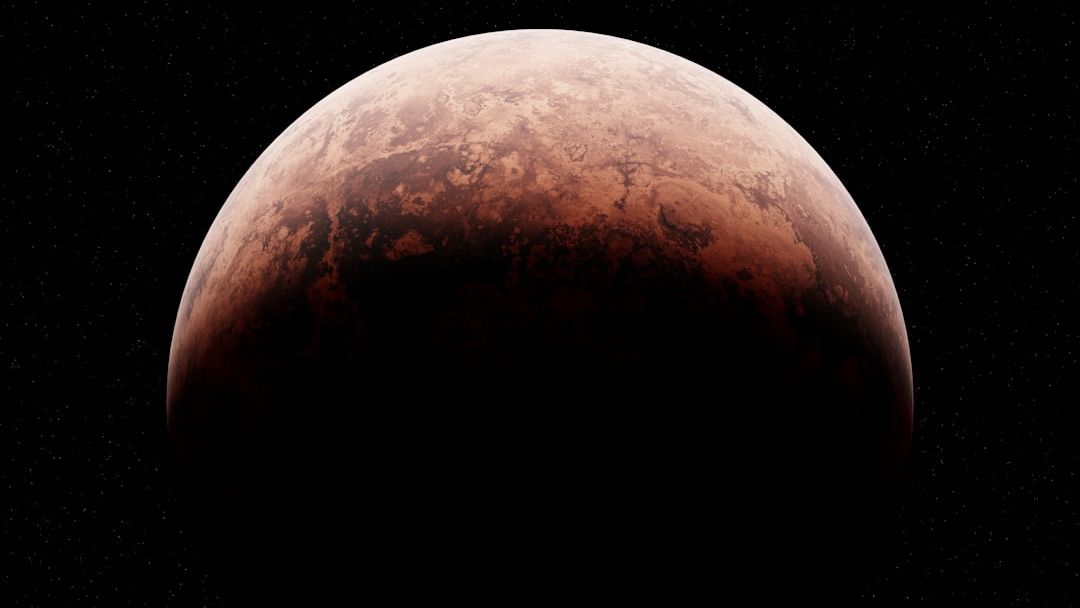
We are preparing to transform the moon and Mars. The public must have a say in this future | Ben Bramble – Image for illustrative purposes only (Image credits: Unsplash)
NASA’s Artemis II crew pushed human boundaries last month, traveling 700,000 miles around the Moon in a 10-day mission that shattered distance records set over 50 years ago.[1][2] Commander Reid Wiseman, pilot Victor Glover, mission specialist Christina Koch, and Canadian astronaut Jeremy Hansen returned safely to the Pacific Ocean off San Diego on April 10, validating Orion spacecraft systems for deeper space travel.[3] This technical milestone sets the stage for lunar landings and beyond. However, accelerating plans for Moon infrastructure raise pressing questions about societal priorities and irreversible impacts.
Mission Highlights and Technical Validation
The flight launched on April 1 from Kennedy Space Center, achieving precise orbital insertion with the Space Launch System rocket.[2] Orion’s heat shield endured reentry at nearly 35 times the speed of sound, showing reduced char loss compared to uncrewed tests. Crew operations proceeded smoothly, including manual flight tests and life support checks. Minor issues, such as a temporary urine collection glitch and a helium leak, posed no safety risks and informed fixes for upcoming flights.
Global audiences followed the journey, from lunar close approach at 4,000 miles to observations of Earthshine and solar eclipses.[1] CubeSats deployed for radiation studies added scientific data. Recovery teams swiftly retrieved the capsule, just 2.9 miles from target. These successes confirm NASA’s hardware readiness for crewed lunar surface operations.
Charting the Path to Sustained Lunar Presence
| Mission | Target Date | Primary Objective |
|---|---|---|
| Artemis II | April 2026 | Crewed lunar flyby, system tests |
| Artemis III | 2027 | First lunar landing since 1972 |
| Follow-on | 2028+ | Surface missions, base groundwork |
Artemis II served as a dress rehearsal for Artemis III, slated for 2027, which will attempt the first human Moon landing in over five decades.[2] NASA envisions this leading to enduring outposts, leveraging lunar resources for fuel and habitats. International partners under the Artemis Accords outline cooperative principles for such expansion. Private firms accelerate parallel efforts in propulsion and landers.
Longer term, the Moon positions as a launchpad for Mars expeditions, testing technologies in a harsher but accessible environment. Yet these steps mark a pivot from brief visits to permanent alteration through construction and extraction. Ground systems already prepare for repeated launches, signaling commitment to scale.
Scientific Promise Amid Transformation Risks
Proponents highlight lunar science potential, such as far-side telescopes free from Earth’s radio noise to probe cosmic origins. Surface missions could reveal solar system history via regolith samples. Orion’s deep-space capabilities enable such ventures while prioritizing crew safety.
Still, ambitions extend further. Resource mining for water ice and metals supports industry, but introduces contamination and dust hazards unknown in scale. Geopolitical tensions and commercial races amplify stakes, potentially prioritizing competition over pure discovery. These shifts demand scrutiny beyond engineering feats.
Cultural Reverence and Resource Trade-offs
The Moon holds profound place in human heritage, guiding calendars, inspiring art, and symbolizing constancy across eras. Industrial footprints risk eroding this pristine backdrop forever. No mechanisms yet address celestial preservation amid development.
Mars visions promise multi-world resilience, yet self-sufficient colonies remain distant prospects amid radiation and isolation challenges. Diverting vast funds from these pursuits competes with Earth’s pressing needs, like climate action. Technical prowess proven, focus turns to wise application.
Building Inclusive Pathways Forward
Decisions shaping extraterrestrial activity have proceeded through agencies and corporations with limited broad input. Public forums could clarify acceptable risks, usage limits, and equity in benefits. Before Artemis III advances, structured dialogues – town halls, expert panels, global consultations – offer models for engagement.
- Define lunar zones for science versus commerce.
- Assess environmental protocols for other worlds.
- Balance space investment against terrestrial priorities.
- Incorporate diverse cultural perspectives on celestial bodies.
A genuine reckoning now ensures exploration aligns with collective values, not just elite agendas.
Artemis II proves humanity’s reach extends far. The challenge lies in directing that reach responsibly, inviting all voices to shape a shared cosmic legacy. As lunar steps accelerate, deliberate choices will define whether these worlds enhance or merely mirror our own unresolved tensions.