

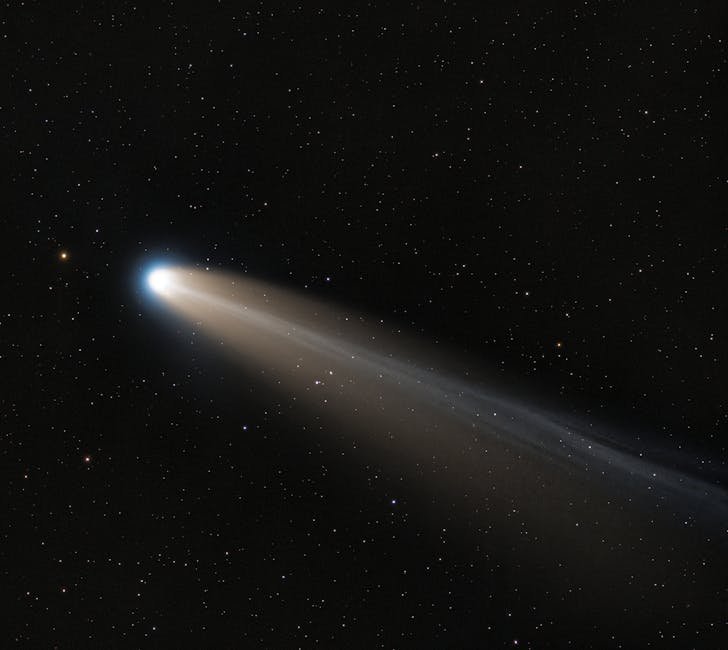
Unlocking the Power of Rise and Set Times (Image Credits: Pexels)
Astronomy enthusiasts often miss celestial events simply because they lack precise timing for when the sun dips below the horizon or a planet climbs into view. Reliable sky almanacs solve this by delivering customized rise and set times for key objects in the night sky. These free online tools make planning stargazing sessions straightforward, whether for casual observers or dedicated skywatchers.[1][2]
Unlocking the Power of Rise and Set Times
Knowing exact rise and set times transforms random sky gazing into targeted observations. Amateur astronomers use these details to catch the moon during optimal phases or spot planets at their peak visibility. Professional photographers rely on them for golden-hour shots or lunar landscapes. Such precision ensures you never overlook a rare alignment or satellite pass.[3]
Most tools assume a flat horizon, so results work best from open areas away from tall buildings or mountains. Users simply enter a location – via ZIP code, city, or coordinates – to generate data. Many sites update in real time, accounting for your local time zone and date.
Top Tools for Sun and Moon Tracking
Sunrise and moonrise calculators top the list for everyday use. They provide not just basic times but also twilight periods, which mark the transition from day to night.
- The Custom Sunrise Sunset Calendar generates printable monthly calendars with sunrise, sunset, moonrise, moonset, and moon phases. Optional twilight data adds depth for photographers.
- Old Farmer’s Almanac Rise/Set Calculator covers sun and moon times across the U.S. and Canada, with an intuitive interface for quick checks.[2]
- U.S. Naval Observatory’s Complete Sun and Moon Data delivers rise, set, transit, and twilight times for any date from 1700 to 2100 worldwide.[4]
These resources shine for their simplicity and print-friendly outputs, ideal for fieldwork without internet access.
Planet Visibility at Your Fingertips
Planets demand specialized almanacs due to their varying orbits and visibility windows. Tools here list rise, set, and meridian transit times for Mercury through Neptune.
| Tool | Covers | Customization |
|---|---|---|
| timeanddate.com Night Sky | Mercury to Neptune | Any location worldwide |
| Old Farmer’s Almanac Planets | Sun, Moon, Planets (incl. Pluto) | U.S./Canada ZIP codes |
| Sky & Telescope Almanac | Naked-eye planets, moon phases | Global, date range 1600-2400 |
The Australian National University’s web ephemeris stands out for advanced users. Enter latitude and longitude – easily found via sites like latlong.net – for precise sun, moon, and bright planet data anywhere on Earth.[1]
Satellites and Beyond: Advanced Spotting
Satellites like the International Space Station add excitement with predictable passes. Dedicated sites track these artificial stars crossing the sky.
Heavens-Above at heavens-above.com excels here, offering visibility predictions tailored to your location. It lists pass times, brightness, and paths for the ISS and hundreds of others. Combine this with planet tools for full-sky planning.[1]
Other options like In-The-Sky.org provide real-time tables for multiple objects, enhancing multi-target nights.
Key Takeaways
- Start with location-specific tools like timeanddate.com for instant global access.
- Print calendars from sunrisesunset.com for offline adventures.
- Pair planet and satellite trackers to maximize clear-sky opportunities.
Sky almanacs democratize astronomy, putting professional-grade data in anyone’s hands. They turn the vast cosmos into a scheduled spectacle. What’s your go-to tool for the next full moon or planetary parade? Share in the comments.