
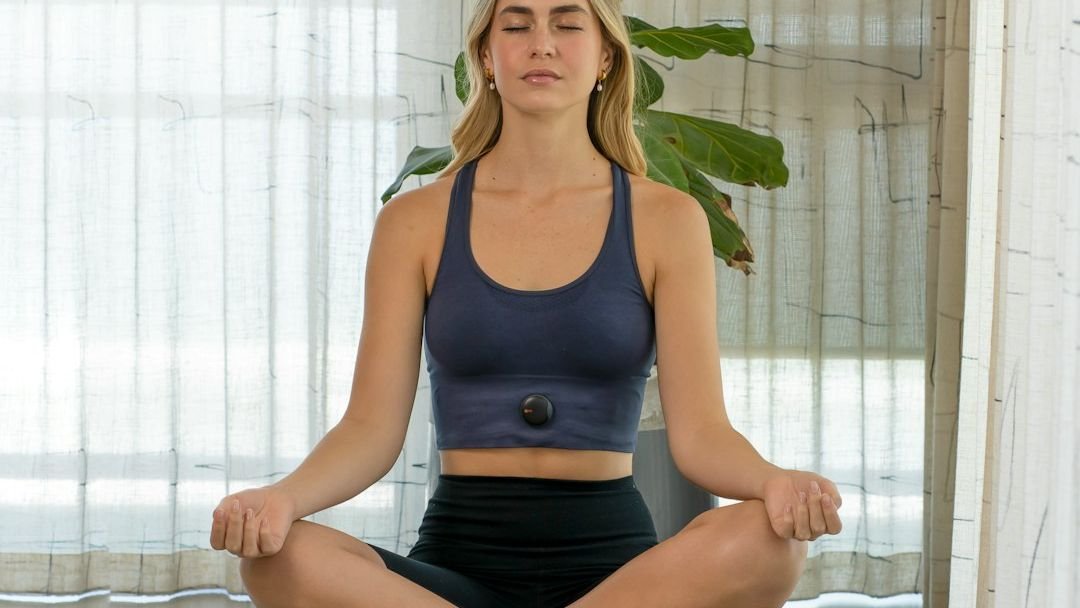

Most people only realize they’re burning out after the damage is done. The headaches start. The sleep turns shallow. The jaw is mysteriously tight every morning. What if a small sensor, costing less than a takeaway meal for two, could spot the storm before it hits? That idea sounds like science fiction, but in 2026 it’s a very real conversation happening in labs, wellness communities, and bedrooms around the world.
Bio-hacking has moved far beyond elite athletes and Silicon Valley executives. Ordinary people are now strapping sensors to their chests, slipping rings onto their fingers, and using free apps on their phones to read signals their bodies have been quietly broadcasting for years. Let’s dive in.
What Is Bio-Hacking, Really?

The general idea of bio-hacking is making changes to enhance your body’s functionality based on fields like biology, neuroscience, and nutrition, essentially “hacking” your biology. It is about using aspects like diet, exercise, or lifestyle to improve your health, performance, or general well-being. Think of it less like a sci-fi experiment and more like tuning a car engine, except the engine is you.
Bio-hacking is the practice of making small, experimental changes in your life to optimize your physical and mental health. It combines biology and hacking to improve well-being through diet, lifestyle, and technology. The spectrum goes from something as basic as adjusting your sleep schedule all the way to implanting microchips, though most sensible beginners stick to the simpler end of that dial.
While some bio-hacking practices are considered extreme, it is such a broad concept that anyone working to improve their physical or mental well-being might consider themselves a biohacker. Between bio-hacking’s rise in popularity and a general increase in personal health and wellness expenditures worldwide, businesses are rapidly developing new and innovative technologies to meet demand.
The Market Is Exploding: Here Are the Numbers

The global bio-hacking market size was estimated at USD 24.81 billion in 2024 and is projected to reach USD 69.09 billion by 2030, growing at a compound annual growth rate of nearly nineteen percent from 2025 to 2030. That kind of growth doesn’t happen by accident. It happens when millions of ordinary people start wanting answers their doctors don’t have time to provide.
The global wearables bio-hacking market size alone was valued at just over USD 7.38 billion in 2024 and is estimated to grow at a compound annual growth rate of eighteen point six percent from 2024 to 2030. Wearable stress monitors are riding directly on that wave.
Factors expected to drive the growth of the bio-hacking industry are the availability of wearable health trackers, genetic testing kits, smart devices, and apps that allow people to track and analyze their biometric data, leading to a more personalized and data-focused bio-hacking approach. Honestly, the momentum feels unstoppable at this point.
Heart Rate Variability: The Signal Behind the $20 Device

Heart rate variability, or HRV, is the change in time between consecutive heartbeats. It is one way to measure autonomic regulation, with higher scores indicating improvement in vagal tone and coinciding with improvements in cognitive, behavioral, emotional, and physical functions. In other words, your heart doesn’t beat like a perfect metronome, and that variation is actually a very good thing.
Heart rate variability is a metric used to determine our bodies’ readiness and adaptability under stress, by measuring the amount of time between heartbeats, and understanding this metric might just be the key to enhanced exercise performance, better sleep, less stress, and a longer, more resilient life.
Reduced HRV signifies poor autonomic nervous system adaptability and is associated with fatigue, stress, and overtraining. A meta-analysis of current neurobiological evidence suggests that HRV is affected by stress, and using HRV for the objective assessment of psychological health and stress may be feasible. So when your HRV drops before you feel anxious, the device knows something your brain doesn’t yet.
The Polar H10: Possibly the Best $20 Deal in Wellness
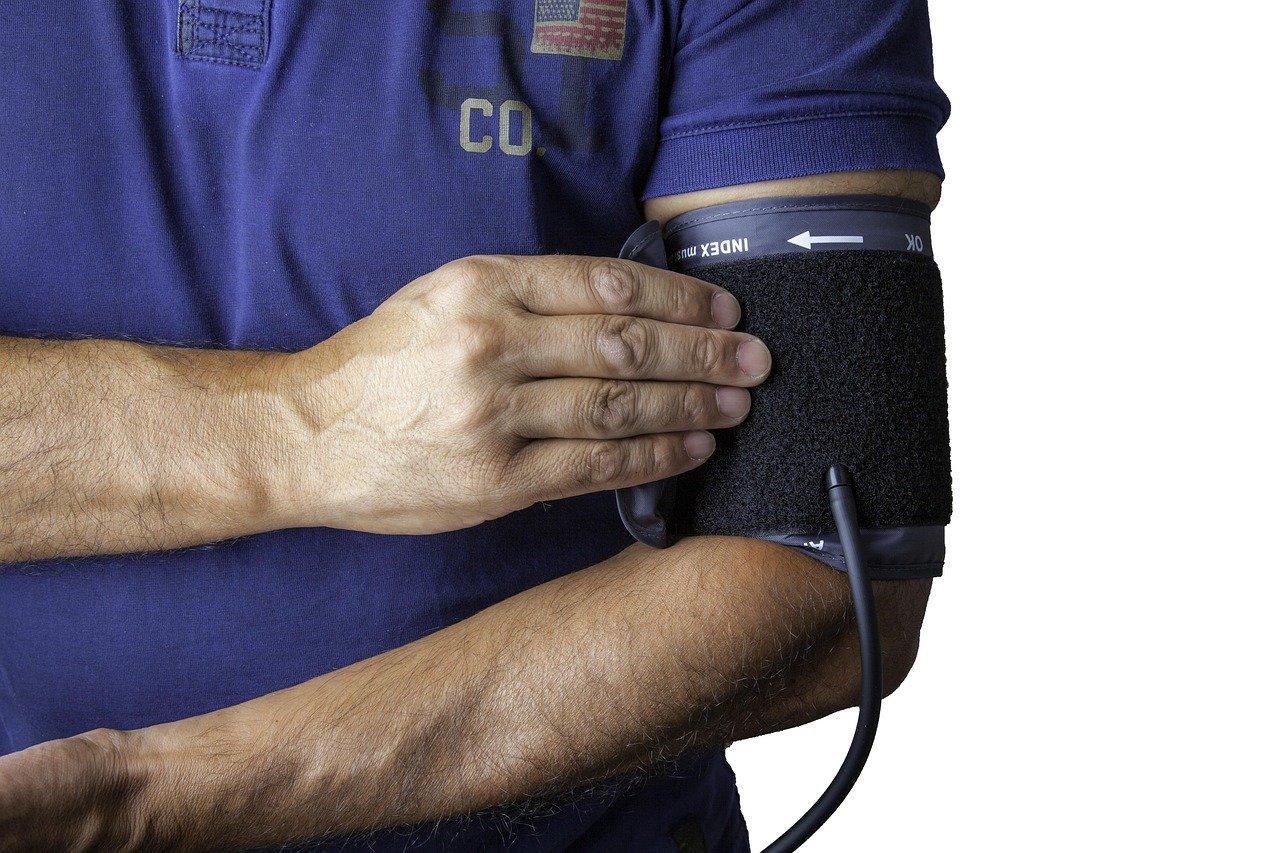
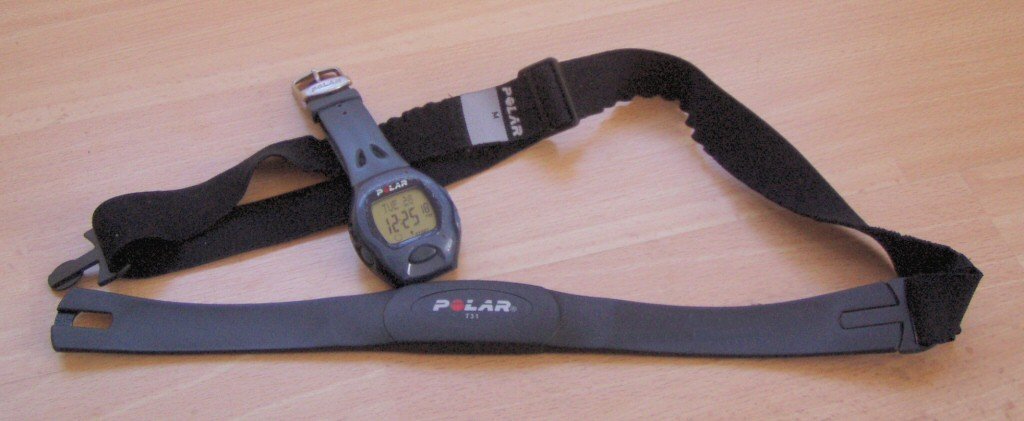
Here’s the thing about affordable HRV monitoring: the device everyone keeps pointing to isn’t made by some startup in a garage. The Polar H10 is a chest strap device that measures heart rate variability using electrocardiogram signals, and it is designed to be used by top athletes and researchers who need accurate and reliable data on cardiac activity. It has become a reference point in both sports science and biohacker communities worldwide.
The Polar H10, often considered a “gold standard” for heart rate measurement, is a fitness-oriented device suited for non-clinical use with shorter recordings. While some versions can be found secondhand or on sale for around twenty dollars, its full retail sits higher. Still, paired with a free HRV app, this is the entry point most serious beginners use.
Linear HRV measurements derived from the Polar H10 chest strap device show strong agreement and small bias compared with ECG recordings and can be recommended for practitioners. That’s peer-reviewed science, not a marketing brochure. It’s one of very few affordable devices that can make that claim.
How the Device Detects Stress Before You Feel It

The correlation between stress and HRV makes the stress monitor function the most popular application across all wearable brands. This application increases the awareness of stress, which is important in coping with stress. The key insight is that physiological stress shows up in your data before your brain registers the feeling consciously. Think of it like a smoke detector that goes off before you smell anything burning.
Some research suggests that HRV is a more direct reflection of transient physiological stress that is not aligned with perceived stress. In other words, HRV is more likely to reflect the body’s instant burnout instead of stress defined as a long-term physiological response.
Understanding HRV metrics is fundamental to optimizing recovery, managing stress, and enhancing cognitive function. A high HRV, for example, indicates a balanced autonomic nervous system, crucial for stress resilience and overall well-being. Your numbers are essentially your nervous system’s daily report card.
The Science of PPG: When Your Phone Becomes a Sensor
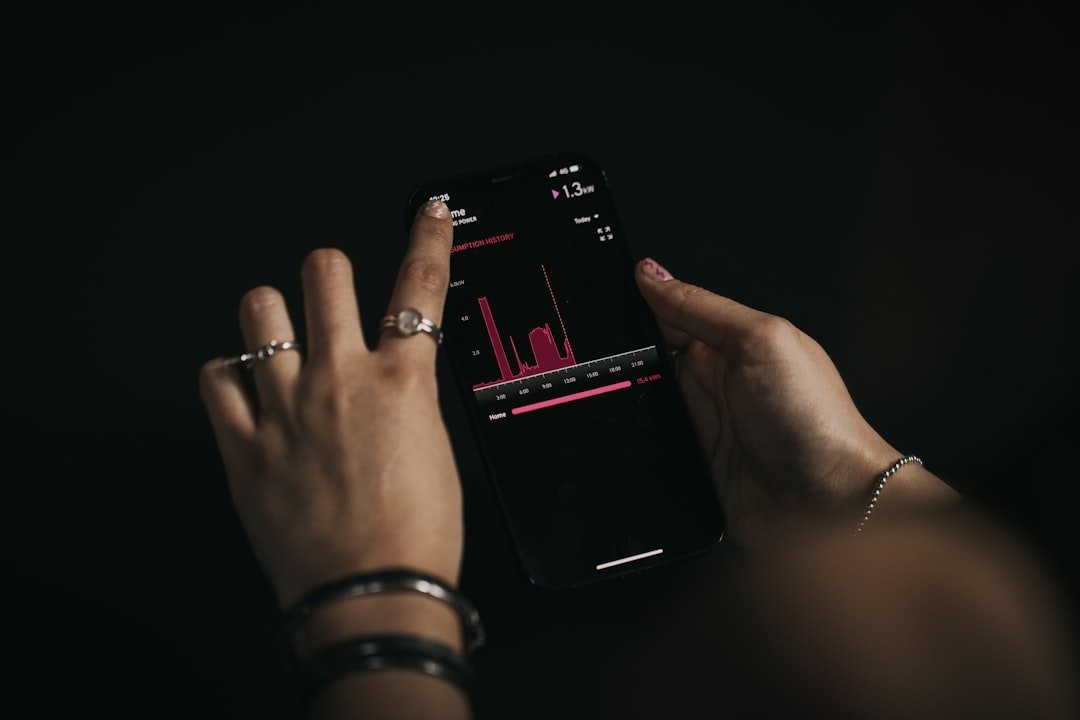
Heart rate variability monitors use photoplethysmography, which is a non-invasive and low-cost optical measurement technique that tracks blood volume changes in peripheral blood vessels. It has been widely applied in daily analysis of heart performance and monitoring of vital physiological parameters such as heart rate, arterial oxygen saturation, respiratory rate, blood pressure, and HRV.
Smartphone PPG, performed with a phone’s camera, has become popular in recent years due to a boom in digital health apps that help people monitor their health parameters. This means your phone camera, held against a fingertip for two minutes, can produce a rudimentary HRV reading. Free. Right now. It’s genuinely remarkable.
The catch, and it’s worth knowing, is accuracy. Meaningful heart rate variability calculations require accurate measurement of the time between each heartbeat. Unfortunately, most wristbands and watches that use LED pulse oximetry sensors are not accurate enough yet to capture the exact R-wave peak. Technology has advanced to where these devices can accurately measure basic heart rate, but that is because heart rate is not sensitive to the tiny changes the way HRV is. A chest strap like the Polar H10 remains the more reliable option for anything beyond casual self-checking.
HRV Biofeedback: Training Your Nervous System Like a Muscle

While you can easily track your heart rate variability with popular fitness wearables, certain bio-hacking devices help you train your HRV in real-time rather than just passively tracking it. The variability in your heartbeats is an accurate way to measure how rested your nervous system is. There’s a big difference between observing data and actively changing it, and that’s where biofeedback comes in.
HRV biofeedback training can make our hearts more responsive and resilient to the stressors we face in life, and can make us more aware of those responses when they occur. It’s a bit like physical therapy for your stress response. You see your readings, breathe deliberately, and watch the numbers shift in real time.
Backed by thirty years of pioneering heart-brain research, devices like the HeartMath Inner Balance Coherence Plus measure and translate heart rhythm patterns into real-time coherence scores. Devices in this space range from affordable clip-on sensors to more premium smart rings, but the core principle stays the same: see the data, change the behavior.
The Wider Wearable Ecosystem: What Else Is Out There
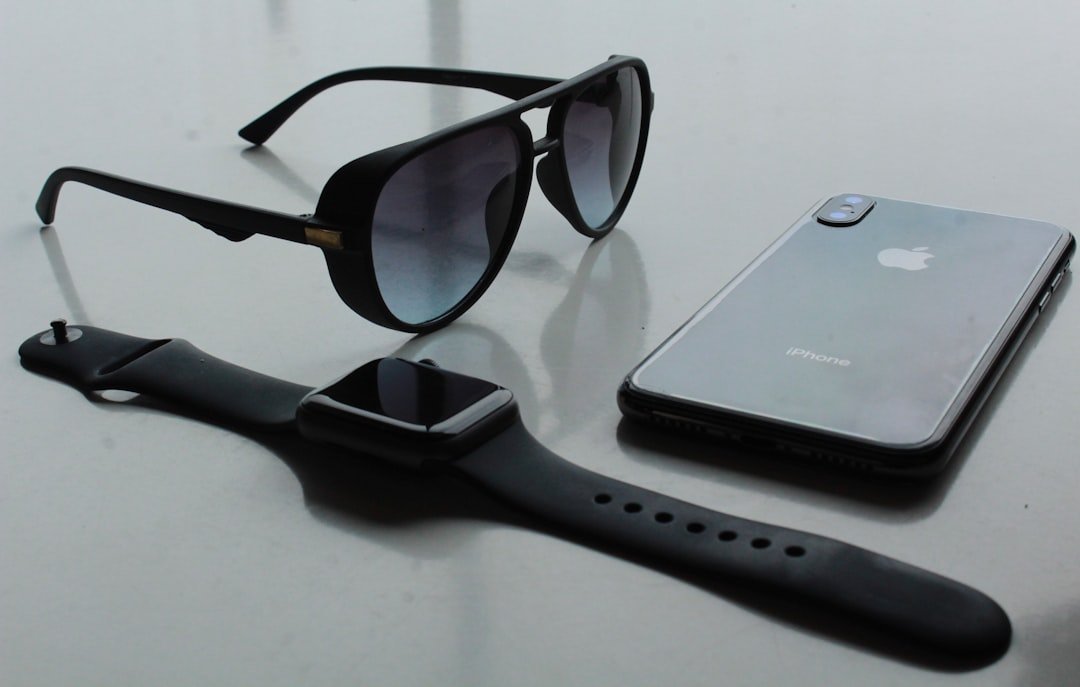
In 2025, bio-hacking is revolutionizing health, performance, and longevity, with wearable tech at the forefront. These devices deliver real-time data on heart rate variability, sleep stages, brainwaves, and stress, empowering biohackers to optimize sleep quality, focus, and recovery.
Beyond basic sleep and activity tracking, advanced wearables now offer continuous monitoring of metrics like blood oxygen saturation, skin temperature, and even ECG readings. These bio-hacking devices provide a holistic view of physiological responses to daily stressors, exercise, and diet. Devices like the Oura Ring and WHOOP band have become mainstream entry points, though they typically carry price tags well above twenty dollars.
Regular trackers simply record what’s happening and leave you to figure out what to do about it. Active wearables take action in real-time to improve outcomes. Think of it this way: a Fitbit tells you that you slept poorly, while an Eight Sleep mattress adjusts temperature during the night to deepen your sleep. The gap between passive tracking and active intervention is where the real innovation is happening right now.
Limitations, Caveats, and What the Research Actually Says
It would be misleading not to mention the science’s fine print. In a study of 657 participants wearing Garmin fitness bands, HRV was associated with perceived stress in laboratory settings, but the strength of that association diminished in real-life settings. Relying on wearable-derived HRV alone might not be sufficient to detect stress in natural settings and should not be considered a proxy for perceived stress.
Research also suggested the need for longitudinal research combined with multimodality monitoring, such as sleep monitoring, to evaluate the correlation between the HRV trend and stress. Translation: one metric alone won’t tell the whole story. Stack several data streams, and the picture becomes clearer.
Technology is only one part of the puzzle. Real transformation happens when it’s paired with time in nature, community, and rest. Wearables can show you where your stress begins, but you still have to make the conscious choice to slow down and reset. No device, however clever, makes that decision for you.
Getting Started: Your First Week With Stress Monitoring
The entry point is simpler than most people realize. A Polar H10 strap paired with a free app like Elite HRV, or even the Welltory smartphone app using just your phone camera, gives you enough data to start spotting patterns within days. The HeartMath Inner Balance sensor, for instance, attaches to your earlobe and along with the HeartMath app teaches you how to shift from stress and frustration to balance and resilience with real-time biofeedback, based on your heart rhythm.
Research found that data from wearable devices on overnight recovery helps adjust training loads and reduce overtraining. As training loads approached excessive levels, recovery metrics deteriorated earlier than subjective fatigue. This suggests that tracking devices do provide useful information for training balance. The same logic applies to mental and emotional stress, not just physical output.
Getting this type of HRV biofeedback training used to be very expensive and required heavy equipment. Now it’s affordable and can be strapped conveniently to your body. That shift, from clinic to kitchen table, is the real revolution. The data that once lived inside a hospital ECG machine is now sitting on your phone, waiting to be understood.
Conclusion: Your Nervous System Has Been Talking This Whole Time
The body doesn’t suddenly collapse under stress. It whispers first, through fluctuations in heartbeat timing, dips in overnight recovery scores, subtle changes in resting heart rate. The remarkable thing about affordable HRV monitoring in 2026 is not the technology itself. It’s that we finally have accessible ways to listen.
A device that can flag your physiological stress response before it rises to conscious awareness is not a luxury anymore. It’s becoming a basic wellness tool. Whether that’s a simple chest strap paired with a free app or a more sophisticated smart ring, the principle is identical: measure first, then act.
The bigger question isn’t whether these devices work. The science, while still evolving, points clearly toward their value as one piece of a larger wellness picture. The real question is what you’ll actually do when the data shows something you’d rather not see. What do you think, could knowing your stress levels in real-time change the way you live your day? Tell us in the comments.