

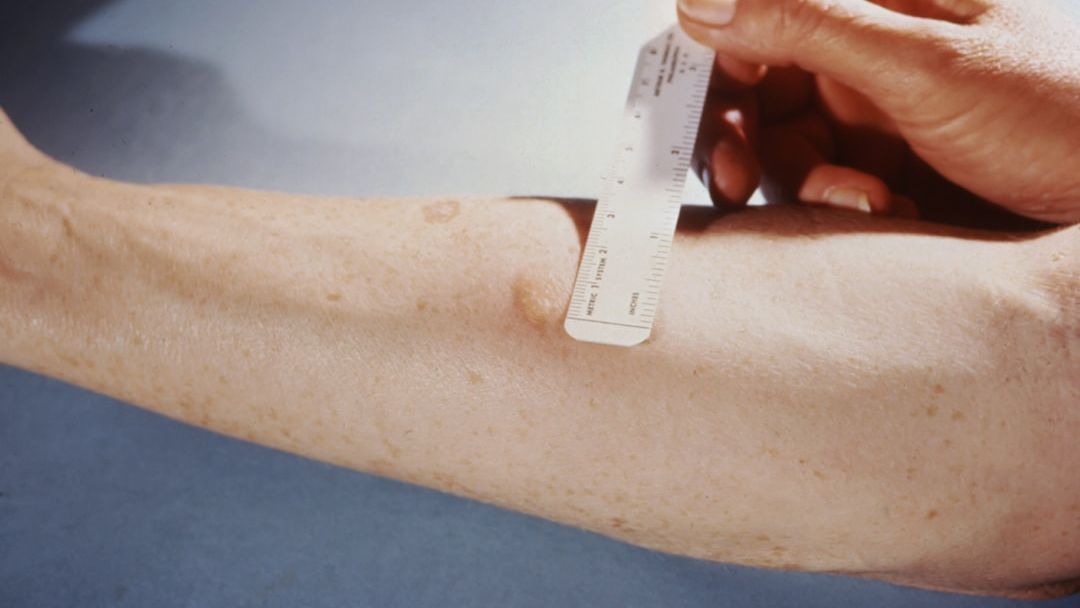
Diagnostic dilemma: Biopsy triggered ‘spontaneous regression’ of woman’s arm tumor – Image for illustrative purposes only (Image credits: Unsplash)
Physicians have documented a rare medical event in which a tumor located in a woman’s arm disappeared completely after a routine biopsy, without any additional therapy. The case underscores how diagnostic steps can sometimes produce outcomes that defy standard expectations. Medical teams involved described the regression as spontaneous and unrelated to any targeted treatment plan.
Sequence of Events in the Case
The patient underwent a biopsy to investigate the nature of the growth in her arm. Tissue samples were collected for laboratory analysis, after which the tumor began to shrink on its own. Follow-up examinations confirmed that the mass had resolved entirely, leaving no trace that required further intervention.
Doctors noted that the timing of the disappearance aligned directly with the biopsy procedure. No chemotherapy, radiation, or surgical removal was performed. The observation has prompted internal review of similar past cases to determine whether the sampling process itself played a role in triggering the change.
Medical Context Around Spontaneous Regression
Spontaneous regression refers to the partial or complete disappearance of a tumor without specific anticancer treatment. While documented in certain cancers, the phenomenon remains uncommon and poorly understood. In this instance, the regression occurred rapidly following the diagnostic procedure, which is not the typical pattern reported in medical literature.
Researchers continue to explore possible explanations, including immune system activation or local tissue responses to minor trauma from the biopsy needle. The case adds to a small but growing collection of reports where diagnostic interventions appear linked to unexpected tumor resolution.
Broader Implications for Diagnosis and Care
Clinicians emphasize that biopsies remain essential for accurate diagnosis and treatment planning. This particular outcome does not suggest that biopsies should be avoided, but it does illustrate the need for careful monitoring after such procedures. Teams are advised to document any unusual changes that occur in the days or weeks following tissue sampling.
Further study of similar incidents could help clarify whether certain tumor types are more prone to this response. Until then, the event serves as a reminder that tumor behavior can sometimes follow paths that current models do not fully predict.