

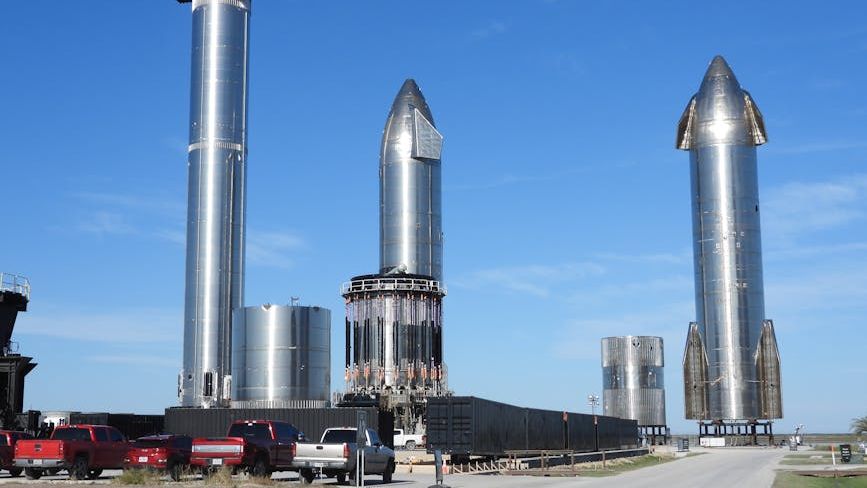
How to watch SpaceX launch its 1st Starship V3 megarocket on May 21 – Image for illustrative purposes only (Image credits: Pexels)
SpaceX plans to send its newest Starship variant, called V3, into flight for the very first time on Thursday, May 21. The megarocket stands as the latest step in an ongoing effort to develop vehicles capable of carrying large payloads beyond Earth orbit. Observers can follow the attempt through live coverage that will stream the sequence of events from liftoff onward.
Why the V3 Version Stands Apart
The V3 configuration introduces design changes aimed at improving performance over earlier Starship models. Engineers have focused on refinements that could support longer missions and heavier cargo loads. This debut flight will serve as an initial test of those updates under real launch conditions. Success here would mark a clear progression in the vehicle’s development path.
Live Coverage Options for Viewers
The company has confirmed that the launch will be available for public viewing through standard online streams. Audiences can access the feed from multiple devices, allowing real-time observation of the rocket’s ascent and any post-launch events. Coverage typically begins with preflight checks and continues through the critical early phases of the mission. This approach keeps the event accessible without requiring special equipment.
Key Uncertainties Ahead of Liftoff
While the date is set, final approval for the launch still depends on weather and technical reviews that could shift the schedule. Past Starship tests have shown that even minor issues can lead to delays or scrubs. The outcome of this first V3 flight remains unknown until the vehicle clears the pad and completes its planned trajectory. Teams continue to monitor systems closely in the hours leading up to the window.
Broader Context for Spaceflight Progress
This test comes amid wider efforts to advance reusable rocket technology for future exploration goals. Each flight adds data that shapes the next round of improvements. The May 21 attempt therefore serves both as a milestone for the V3 model and as another data point in the larger program. Results will influence how quickly subsequent versions move toward operational use.