

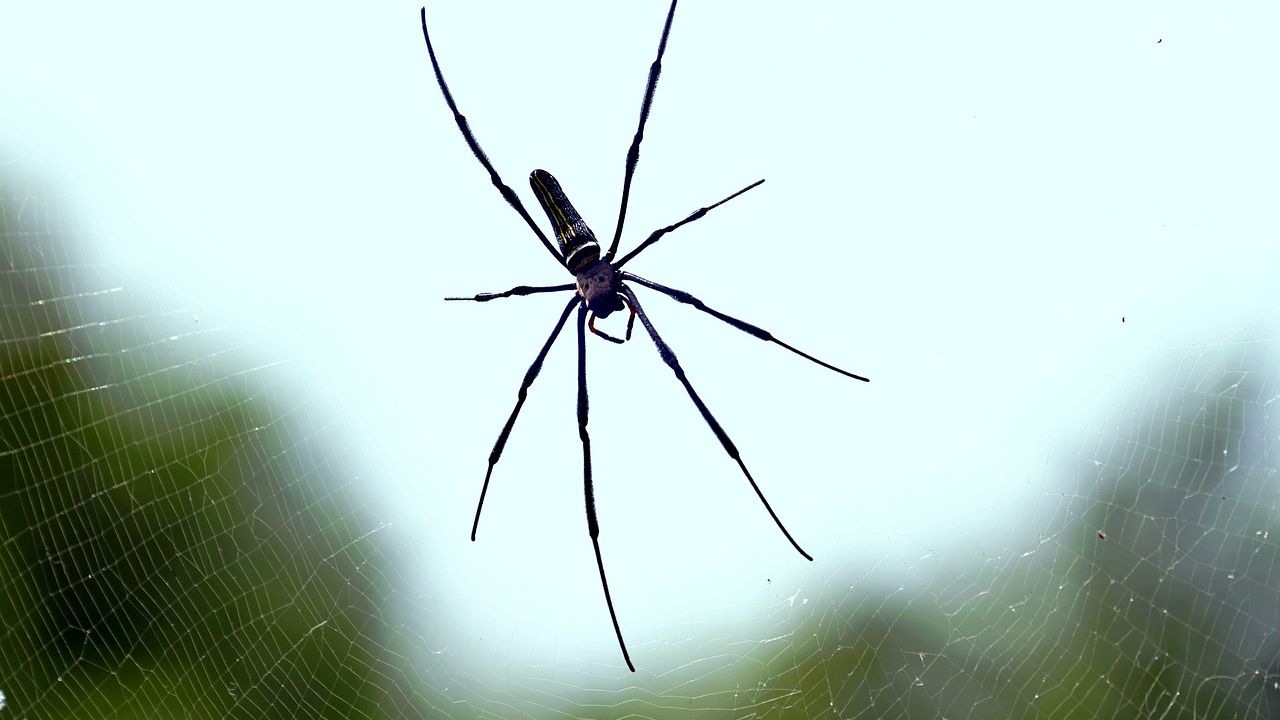
Solitary Confinement: Surprising Post-Copulatory Behaviour of an Australian Species of Wishbone Spider (Mygalomorphae: Anamidae: Aname) – Image for illustrative purposes only (Image credits: Pixabay)
In the arid landscapes of south-western Western Australia, researchers documented a striking behavior among wishbone spiders of the species Aname inexpecta. Males, after mating, actively seal the female’s burrow entrance with soil gathered by their chelicerae, then stand guard outside the plugged retreat. This “burrow plugging” marks the first detailed observation of such post-copulatory guarding in the Anamidae family and offers fresh insights into the mating dynamics of understudied mygalomorph spiders.
A Breakthrough in Mygalomorph Mating Observations
Spiders have long served as key models in sexual selection research, yet studies have overwhelmingly focused on araneomorph species, leaving mygalomorphs like wishbone spiders largely unexplored. A team led by Piccinini, Wilson, Harvey, Rix, Wong, and Simmons changed that with their examination of A. inexpecta. Their work, published in Ecology and Evolution, detailed the full sequence of mating interactions for the first time in this family.Ecology and Evolution
The species, recently described from the region’s unique habitats, constructs permanent burrows that play a central role in its reproductive life. Males venture out to locate receptive females, initiating contact at burrow entrances. What followed proved unprecedented: rather than departing post-mating, males reinforced the burrow’s natural silk lining with soil, effectively confining the female inside while they patrolled the perimeter.
Decoding the Burrow Plugging Ritual
The process begins immediately after copulation. Males use their chelicerae to scrape and collect nearby soil particles, methodically packing them against the burrow mouth until a secure plug forms. This barrier, combined with the male’s vigilant presence, prevents other suitors from approaching.
Observations confirmed the plug’s durability; it withstood attempts by rival males to breach it. Researchers noted that females remained inside for extended periods, potentially reducing risks from multiple matings or predation. Such behavior aligns with mate-guarding strategies seen elsewhere in nature but represents a novel adaptation tailored to the subterranean lifestyle of these spiders.
Why This Matters for Spider Evolutionary Biology
Mygalomorph spiders, an ancient lineage predating araneomorphs, exhibit diverse mating systems shaped by their burrowing habits. Traditional accounts suggested brief encounters with little post-mating interaction, but A. inexpecta challenges that view. The discovery highlights how environmental pressures, like competition in sparse habitats, drive innovative guarding tactics.
Key implications emerge for broader sexual selection theory. Burrow plugging could enhance male paternity assurance in a system where females might otherwise mate multiply. It also underscores gaps in mygalomorph research, where direct observations remain scarce due to their cryptic lifestyles.
Context Within Wishbone Spider Diversity
The Anamidae family, endemic to Australia, includes over 30 Aname species, many known only from limited specimens. A. inexpecta inhabits sandy soils of the southwest, where stable burrows provide refuge from predators and harsh conditions. Males, often smaller and more mobile, face high risks during mate-searching forays.
- Mating typically occurs at the female burrow entrance, minimizing female movement.
- Copulation lasts several minutes, involving pedipalp insertions.
- Post-plugging, males guard for hours or days, deterring intruders.
- Females eventually clear the plug from within, signaling the guarding phase’s end.
These patterns suggest a balance between male investment in guarding and female control over remating opportunities.
Pathways for Future Research
This study opens doors to comparative analyses across Anamidae and related families. Questions linger about the plug’s chemical composition, its detectability by rivals, and genetic outcomes for guarded broods. Field experiments could test whether plugging boosts male reproductive success amid intense competition.
As climate shifts alter southwestern Australia’s ecosystems, understanding such behaviors grows urgent. Shifts in burrow viability or mate availability could reshape these dynamics. For now, the solitary confinement imposed by A. inexpecta males stands as a testament to the ingenuity encoded in spider evolution, reminding scientists of the untapped stories beneath our feet.